

Onchain loyal explained
Onchain loyal describes a loyalty program where rewards and engagement are recorded on a public blockchain. Instead of points trapped in a single brand’s silo, members hold tokens or NFTs that represent their status and benefits. These digital assets live in the user’s wallet, not on a company server.
This shift changes how loyalty works. Brands can no longer unilaterally devalue points or hide program rules. The data is public and permanent, allowing members to verify their balance and history at any time. It also enables interoperability, where complementary brands can recognize and accept each other’s tokens without complex integrations.
However, onchain loyalty is not a magic fix. It makes the mechanics of loyalty transparent and composable, but it does not automatically create brand affinity. Customers still need a reason to care about the rewards being digital. The technology removes friction and opacity, but the value proposition must still be compelling enough to drive real-world engagement.
Onchain loyalty choices that change the plan
Tokenizing loyalty points turns them into liquid assets, but this shift introduces friction that traditional points systems do not have. Before launching a program, you must weigh the operational complexity and user experience against the promise of interoperability. The goal is not to replace existing systems, but to understand where the new model adds value and where it creates barriers.
Liquidity and Friction
Traditional points are locked within a single brand ecosystem. Onchain loyalty tokens can be traded, sold, or used across partners, creating a secondary market that increases perceived value. However, this liquidity comes with transaction costs and volatility. Users must manage wallets and pay gas fees, which can deter casual customers. The tradeoff is clear: higher potential value for engaged users, but lower accessibility for the mass market.
Data Transparency and Privacy
Onchain data is public and permanent. This transparency allows brands to audit program integrity and prevent fraud, but it also exposes user behavior. Unlike closed-loop systems where data is siloed, onchain transactions are visible to anyone. This openness builds trust in the program’s mechanics but requires careful design to protect user privacy. Brands must decide if the credibility of public rails outweighs the risk of exposing customer spending habits.
Interoperability vs. Control
The primary benefit of onchain loyalty is the ability to leverage public data rails for cross-brand partnerships. A user can combine points from a coffee shop and an airline in a single wallet. This interoperability breaks down silos, creating a unified loyalty experience. However, it reduces the issuing brand’s control over how points are redeemed. Brands must accept that their tokens may be used in ways they did not originally intend, trading exclusivity for broader network effects.
| Feature | Traditional Points | Onchain Loyalty |
|---|---|---|
| Liquidity | None (closed loop) | High (tradable assets) |
| User Cost | Zero | Gas fees + wallet setup |
| Data Privacy | Brand-controlled | Public ledger (transparent) |
| Interoperability | Low (siloed) | High (permissionless) |
| Fraud Resistance | Medium (centralized) | High (immutable) |
The market for loyalty-focused tokens is still emerging. Prices can be volatile, reflecting both the underlying token mechanics and broader crypto sentiment. For brands, this means the cost of issuing tokens can fluctuate. For users, the value of their points may change independently of the brand’s performance. This volatility is a key differentiator from traditional points, which usually maintain a fixed redemption value.
Choose the next step
Deciding to build an onchain loyalty program requires a clear framework. The promise of blockchain is not just moving points to a wallet; it is the ability to leverage public data rails for permissionless interoperability between complementary brands. This shift changes how you measure value and engagement. Use these four checks to determine if your business is ready for real-world asset tokenization in loyalty.
Start by selecting a standard that supports fungibility and transferability. ERC-1155 allows for semi-fungible tokens, which can represent different tiers of membership or tier-specific perks. ERC-20 is better for simple, interchangeable points. The standard you choose dictates how easily customers can trade or combine their rewards with other brands.

Onchain data is public and permanent. This transparency is a feature, not a bug. Ensure your backend can handle real-time on-chain verification without exposing sensitive customer PII. You need a system that reads wallet balances and transaction history to trigger rewards automatically, creating a seamless bridge between physical purchases and digital ownership.

Loyalty programs fail when points are trapped in silos. Identify three to five complementary brands that share your target audience. Build smart contracts that allow points to be swapped or pooled with these partners. This network effect turns a static point balance into a liquid asset that customers actively want to hold and use.
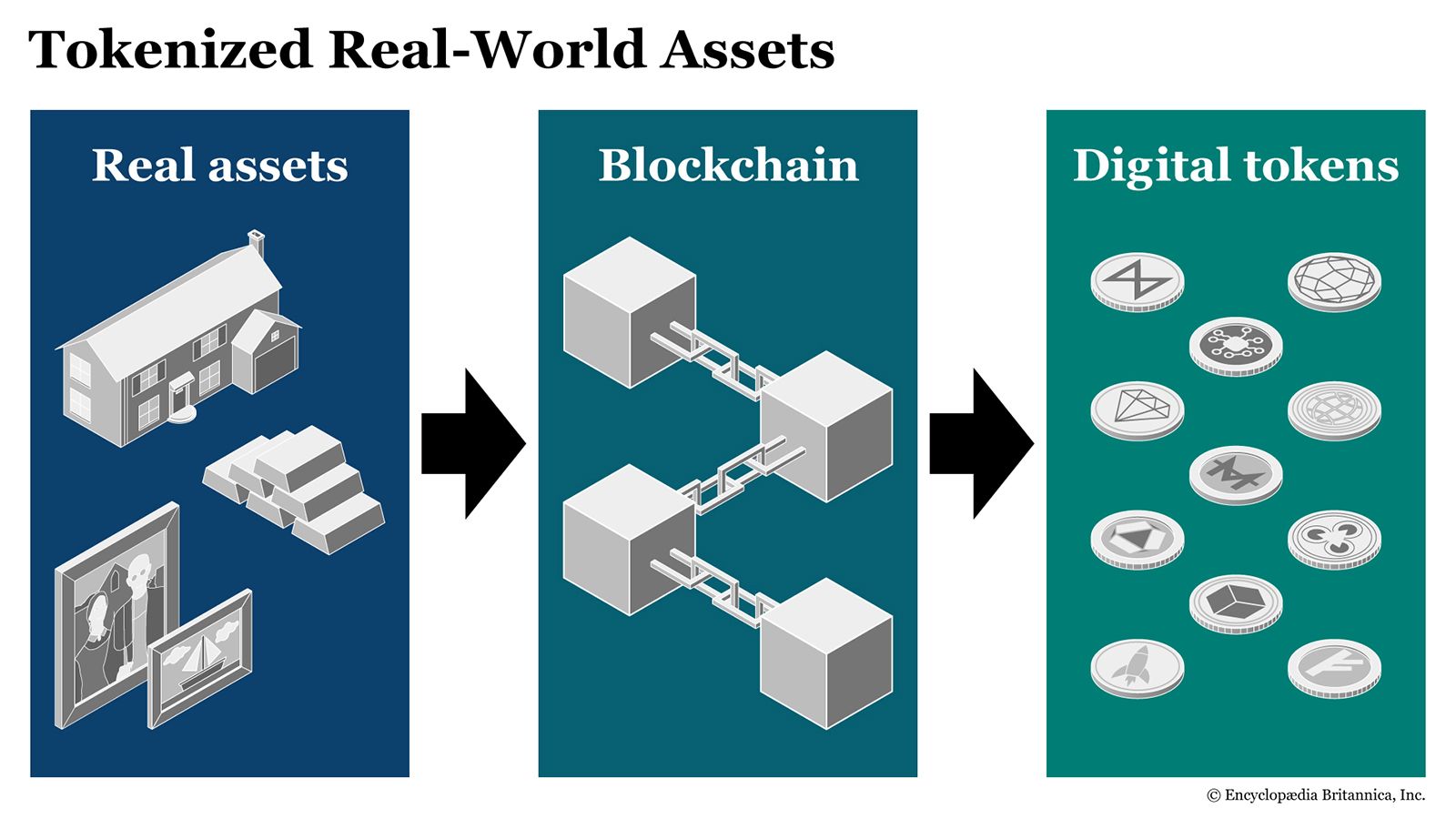
Customers will eventually want to cash out or use their rewards. Ensure there is a clear path for redemption that feels valuable, whether that is a discount, a physical product, or a transfer to another partner’s ecosystem. If the points have no utility or trade value, they become digital dust. Design the exit strategy before you design the earn strategy.
Building onchain loyalty is a structural change. It requires a shift from closed databases to open protocols. If you can handle the technical complexity, the result is a loyalty program that works harder for both you and your customers.
Spotting Weak Options and Misleading Claims
The promise of onchain loyalty is that public data rails allow brands to collaborate without permission. In practice, many programs fail to deliver value, offering only a different way to track the same empty points. Founders often mistake blockchain for a feature rather than a utility, leading to high gas fees and low engagement.
1. The "Permissionless" Myth Claims that onchain loyalty allows seamless collaboration between complementary brands often ignore the friction of cross-chain interoperability. While the data is public, connecting disparate ledgers requires complex infrastructure that most small brands lack. This creates a fragmented experience where points are stuck in silos, defeating the purpose of a unified community.
2. Ignoring User Friction Many programs require users to manage wallets and pay transaction fees for every small purchase. This adds significant friction compared to traditional digital wallets. If earning a reward costs more in gas or attention than the reward is worth, the program fails. Real loyalty programs work by reducing friction, not increasing it with unnecessary crypto steps.
3. Data Manipulation Risks Onchain data is public and permanent, meaning anyone can read transaction history. While no single party can secretly change confirmed records, this transparency can be exploited for wash trading or bot manipulation. Without robust oracle verification or reputation systems, bad actors can inflate activity metrics, making the loyalty program appear more popular than it is.
No comments yet. Be the first to share your thoughts!