

In the evolving DeFi landscape of 2026, on-chain loyalty staking stands out as a game-changer for projects aiming to foster genuine user retention without the drag of rigid lock-up periods. Imagine earning double-digit APYs on your holdings while keeping full liquidity; this isn’t hype, it’s the new standard platforms like YouHodler and Nexo are delivering right now. With yields hitting 18% on stablecoins and flexible terms across Proof-of-Stake assets, DeFi loyalty rewards are reshaping how blockchain projects build lasting communities.
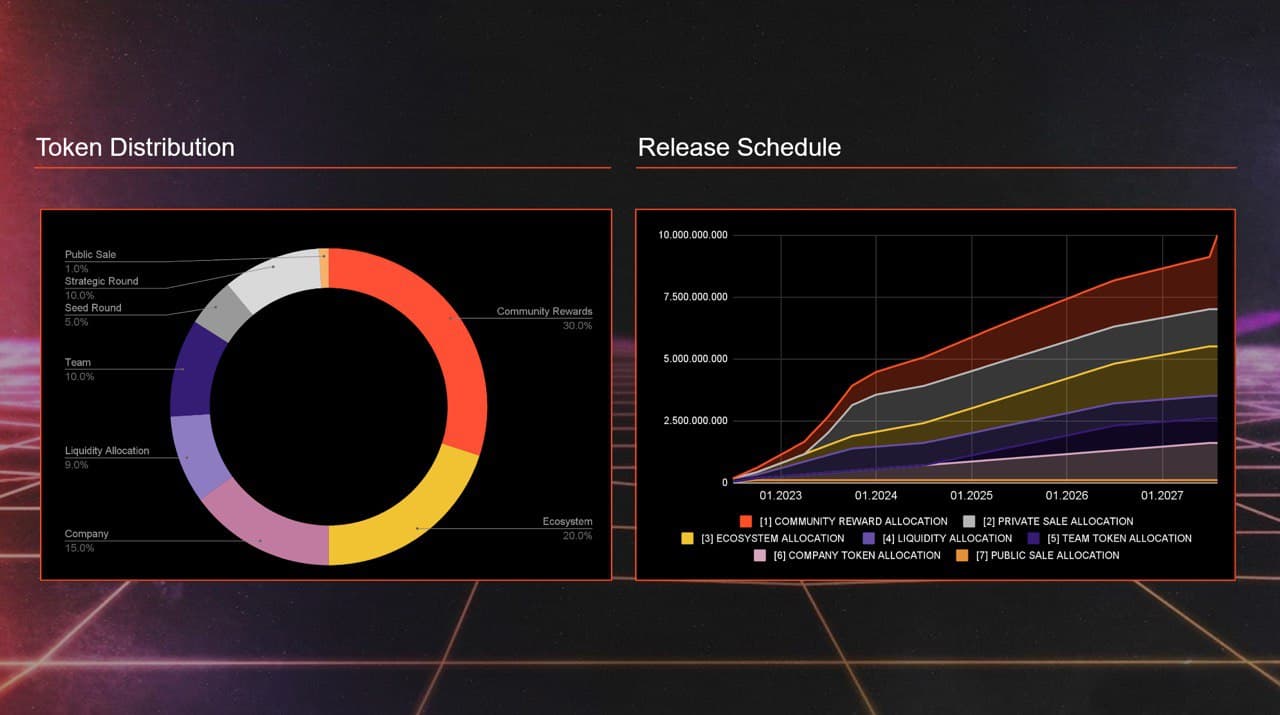
Traditional staking often demands sacrifices: tie up your capital for months, miss market opportunities, and pray the network doesn’t slash your rewards. But flexible staking no lock-up models flip this script. On-chain loyalty staking leverages smart contracts to reward consistent holders dynamically, based on engagement tiers or holding duration, all while letting you withdraw anytime. This approach, popularized by protocols like Lido’s liquid staking and JitoSOL on Solana, extends to loyalty programs where projects incentivize early supporters and active participants without custodial risks.
The Mechanics of High APY Loyalty Programs in DeFi
At its core, on-chain loyalty staking ties rewards to verifiable on-chain behavior. Smart contracts track wallet interactions, holding periods, and governance votes, doling out tokens proportional to loyalty. Take YouHodler: users snag up to 18% APY on USDC, USDT, or DAI with weekly payouts and zero lock-ups. Nexo tiers its offerings, peaking at 16% for locked terms but sustaining 12% flexibly across loyalty levels. Bake (ex-Cake DeFi) rounds it out with 12% on various PoS coins, emphasizing accessibility.
These aren’t isolated cases. Lido’s non-custodial liquid staking lets Ethereum holders earn without lock-ups, a blueprint many projects adapt for loyalty twists. JitoSOL edges normal Solana staking with superior APYs minus DeFi complexities. The result? Users generate passive income streams that scale with participation, sidestepping opportunity costs.
Comparison of Top Platforms for Flexible High APY Staking
| Platform | APY | Lock-Up | Payout Frequency | Key Features |
|---|---|---|---|---|
| YouHodler | 18% | None ✅ | Weekly | Stablecoins (USDC, USDT, DAI) |
| Nexo | 12-16% | Flexible tiers (12% no lock-up) | Varies | Loyalty tiers, up to 16% with 12-mo lock |
| Bake | Up to 12% | None ✅ | Varies | PoS coins, no lock-up for most assets |
| Lido | ETH staking rewards | None (liquid) ✅ | Continuous | Non-custodial, liquid staking |
| JitoSOL | High Solana APY | None ✅ | Continuous | Simple, higher than standard Solana staking |
What sets loyalty staking apart is its project-specific flavor. DeFi teams embed these into tokenomics, boosting blockchain user retention staking by rewarding not just holdings, but holistic engagement. Airdrops for stakers, boosted yields for voters, or multiplier badges for long-term holders; all executed transparently on-chain.
Why Flexible Rewards Trump Lock-Ups for User Engagement
Lock-ups breed hesitation in volatile markets; flexibility invites participation. Data from 2025-2026 rankings underscores this: platforms like Aave, Yearn, and Curve thrive on high DeFi APYs without mandatory commitments, mirroring loyalty staking’s ethos. Cosmos ATOM at 17.18% exemplifies high-APY coins thriving sans restrictions.
For users, it’s straightforward math. Stake $10,000 in YouHodler’s 18% pool: pocket $1,800 annually, withdrawable anytime. Contrast with rigid validators risking penalties. Projects benefit too; higher TVL from accessible staking signals strength to investors, perpetuates flywheels of retention and growth.
DeFi’s future favors the fluid: why lock when you can stake loyally and stay liquid?
This model aligns incentives perfectly. Early adopters get premium tiers, consistent holders compound rewards, active ones unlock bonuses. Platforms aggregate across chains, from Ethereum to Solana, ensuring broad appeal. As networks mature, expect on-chain loyalty staking to dominate user acquisition strategies.
Market Leaders Pioneering No-Lock-Up High Yields
Scanning 2026’s top staking arenas, liquid and flexible options lead. Lido’s pre-PoS Ethereum launch solved liquidity woes, now echoed in loyalty variants. IAESIR, Beefy Finance join Aave in high-APY DeFi clubs, often exceeding 10% without strings. Reddit buzz crowns JitoSOL for Solana’s edge, while MEXC highlights daily payouts fueling adoption.
Daily payouts aren’t just convenient; they compound user stickiness, turning one-time stakers into lifelong advocates. Platforms like these aggregate yields across 20 and chains, as seen in DeFi yield aggregators, ensuring high APY loyalty programs remain competitive even as base rates fluctuate.
Tailoring Loyalty Staking to Boost Project Retention
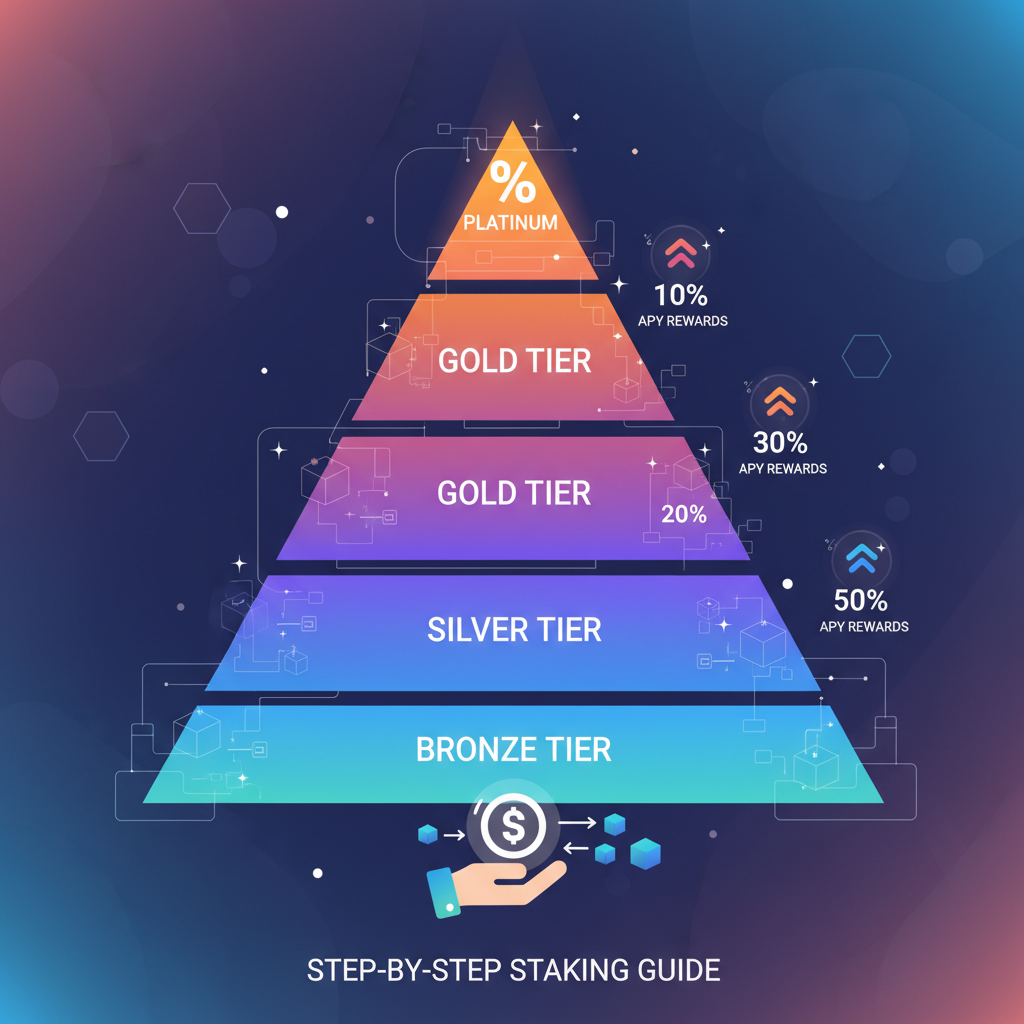
DeFi projects aren’t mere participants; they’re architects of their own ecosystems. By embedding on-chain loyalty staking into core tokenomics, teams create self-sustaining loops of engagement. Consider a protocol rewarding holders with tiered multipliers: basic stakers earn base APY, voters snag 1.5x boosts, and multi-year wallets unlock governance tokens. This isn’t gamification fluff; it’s verifiable, slashing disputes and building trust. Platforms like Beefy Finance auto-compound these rewards, mimicking Yearn’s vaults but with loyalty overlays, often pushing APYs past 15% on optimized pools.
The edge over generic staking? Precision targeting. Early supporters on Solana via JitoSOL-inspired models see elevated yields for snapshot-era holdings, while Cosmos-like chains reward cross-chain loyalty. Reddit threads glow about these setups, noting how they sidestep ‘weird DeFi stuff’ for pure, high-APY upside. For project leads, this translates to soaring TVL without diluting supply through endless emissions.
Launch Flexible On-Chain Loyalty Staking: 5 Steps to High APY Rewards Without Lock-Ups

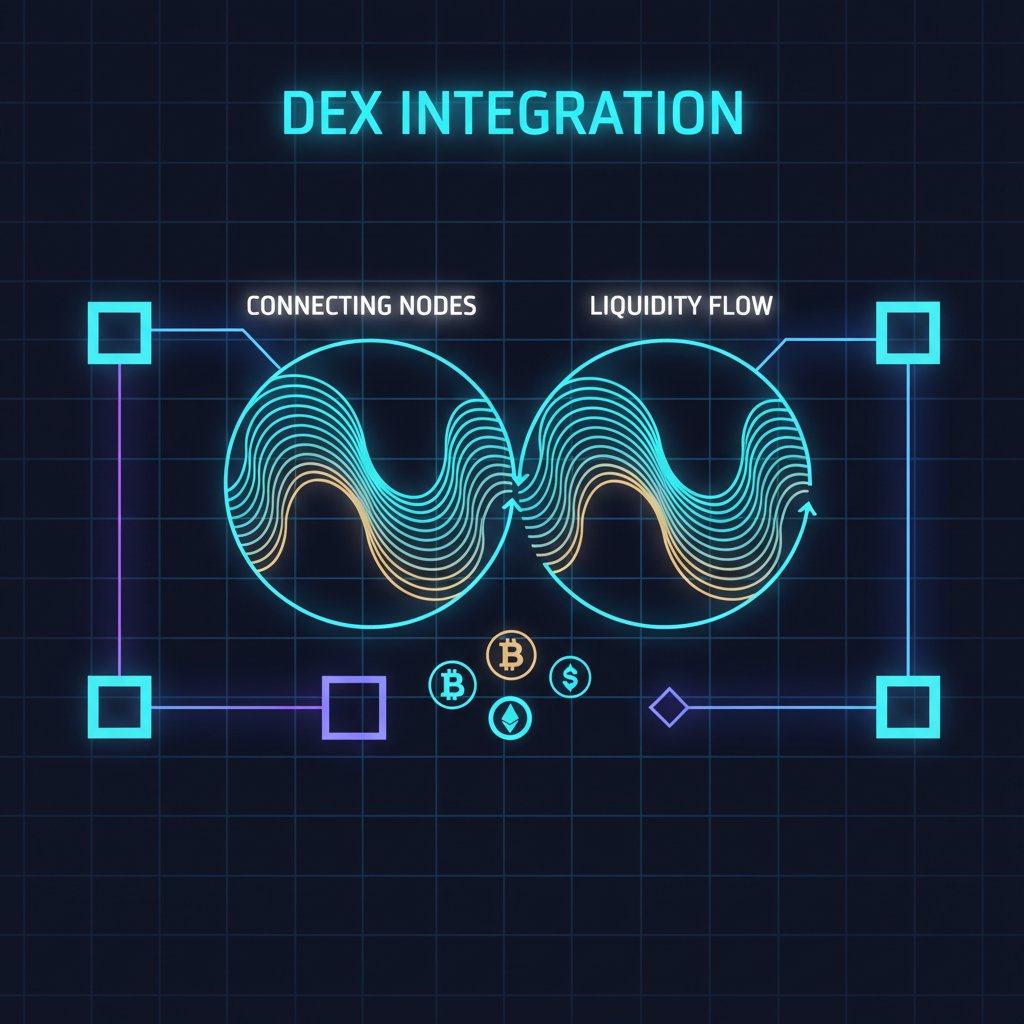


Such implementations demand smart contract audits, but the payoff is immediate: retention rates climb as users feel seen, not just farmed. Aave’s flash loan-compatible staking hints at evolutions where loyalty fuels instant liquidity plays, blending yields with trading agility.
Navigating Risks in Flexible High-Yield Environments
No reward structure is risk-free, yet flexible models minimize them. Smart contract vulnerabilities top the list, but non-custodial protocols like Lido mitigate this through decentralization. Impermanent loss? Less relevant in pure staking versus LP pools. Market volatility affects APYs, sure, but weekly payouts on YouHodler let users rebalance swiftly, unlike locked validators facing slashes.
Nexo’s tiered loyalty adds nuance: climb levels through holdings or referrals for that 16% peak, dropping to 12% flexibly if life intervenes. Bake’s PoS focus ensures chain-specific security, with APYs holding steady around 12%. Investors should DYOR on platform audits and insurance funds, prioritizing those with proven uptime across bull and bear cycles.
- Pro tip: Diversify across chains – pair Solana’s speed with Ethereum’s depth for balanced exposure.
- Track on-chain metrics via Dune dashboards to validate loyalty accrual.
- Engage communities; top programs evolve via DAO votes.
This balanced approach underpins why on-chain loyalty staking boosts retention sustainably. Projects like Curve Finance exemplify it, layering loyalty atop stable swaps for yields that endure.
Looking ahead, 2026 forecasts point to explosive growth. As PoS networks proliferate, liquid derivatives and AI-optimized tiers will personalize DeFi loyalty rewards. Aggregators scanning 20 and chains already spotlight these as top APY havens, from ATOM’s 17.18% benchmark to emerging loyalty gems. MEXC and ChainPlay. gg rankings affirm: flexible staking dominates, with daily rewards accelerating adoption.
For DeFi builders and stakers alike, the message is clear. Embrace flexible staking no lock-up to harness liquidity’s power. Stake loyally, earn boldly, and watch ecosystems flourish where rigidity once reigned. Platforms evolve, but the principle endures: reward behavior that builds, not binds.
About the Author