


In the evolving landscape of decentralized finance as of February 2026, on-chain loyalty staking stands out as a transformative force, turning everyday reward points into yield-generating assets. Platforms like Rumpel Labs have tokenized off-chain loyalty points into ERC-20 tokens, enabling users to trade them on decentralized markets or stake them for DeFi yields. With Rumpel and #39;s total value locked surging to $46 million by late 2024, up 760% in a month, this model bridges consumer incentives and blockchain productivity, offering liquidity where none existed before.

Traditional loyalty programs, burdened by silos and expiration dates, pale against this innovation. Tokenized loyalty rewards now interact seamlessly with lending protocols like Aave V4, where cross-chain liquidity turns static points into dynamic income streams. This shift empowers crypto enthusiasts and everyday spenders alike to extract real value from their engagement.
From Static Points to Liquid Assets
Tokenization fundamentally alters the utility of loyalty points. Historically confined to redemptions for discounts or products, these points lacked tradability and financial depth. Blockchain changes that equation. By converting points into digital tokens on Ethereum or compatible chains, users gain the ability to store, transfer, or trade them freely, as highlighted in enterprise analyses from Liveplex and Krayon Digital.
Consider the mechanics: a user earns points from a brand and #39;s program, tokenizes them via a platform like Rumpel, and suddenly holds an ERC-20 asset supporting projects such as Ethena, Symbiotic, Zircuit, or Karak. This liquidity unlocks price discovery, a rarity in legacy systems. I see this as a macro pivot; just as commodities gained futures markets for hedging, tokenized loyalty rewards now participate in DeFi and #39;s vast liquidity pools, amplifying their worth over time.
Tokenized loyalty points can go beyond standard redemption by gaining real-world financial utility through DeFi. (Liveplex)
Web3 examples abound. Blackbird and #39;s FLY rewards exemplify tokenized incentives in consumer apps, while Chainlink and #39;s Rewards Season integrates staking and cross-chain swaps. Even crypto reward cards from Bitdeal convert daily spending into on-chain assets, blurring lines between fiat habits and blockchain yields.
Staking Mechanisms That Reward Loyalty
Staking reward points elevates this further. In proof-of-stake networks, staking secures the chain while generating yields from validator revenues, as Galaxy Research outlines in the state of on-chain yield. Loyalty tokens, once tokenized, plug directly into these protocols. Deposit into restaking vaults, as in Defiprime and #39;s points programs, and watch daily accruals compound alongside DeFi interest.
TokenMinds notes how loyalty tokens mesh with lending and staking, offering yield on rewards. Picture staking your airline miles token in Aave for stablecoin-like returns, or layering it into restaking for amplified APYs. This isn and #39;t mere speculation; it and #39;s productive capital allocation. In my 17 years analyzing markets, few mechanisms so elegantly align user loyalty with network security and returns.
On-chain loyalty staking maximizes rewards for DeFi users by creating persistent incentives, sidestepping the pitfalls of short-lived airdrops.
Platforms Pioneering DeFi Loyalty Programs
Rumpel Labs leads this charge, tokenizing points for Ethereum ecosystems and boasting rapid adoption. Supporting Ethena and #39;s synthetics or Karak and #39;s restaking, it exemplifies DeFi loyalty programs at scale. Broader trends include wallet rewards via staking and lending (PixelPlex) and Avalanche and #39;s tokenized points for tradability.
Yet challenges persist: interoperability and oracle reliability. Chainlink and #39;s infrastructure addresses this, powering token creation and staking cross-chain. As tokenized real-world assets like Treasuries enter DeFi, loyalty tokens will follow, enhancing portfolio diversification.
Traditional vs On-Chain Loyalty Programs
| Program Type | Liquidity | Yield Potential | Tradability | Examples |
|---|---|---|---|---|
| Traditional | Low/None | None | No | Delta SkyMiles, Airline Miles |
| On-Chain | High | DeFi APYs | Yes | Rumpel Tokens, Ethena-staked points |
These platforms don and #39;t just reward; they foster ecosystems where loyalty begets compounding value. Early adopters positioning here capture the next wave of DeFi growth, much like restaking protocols redefined yields in 2024-2025.
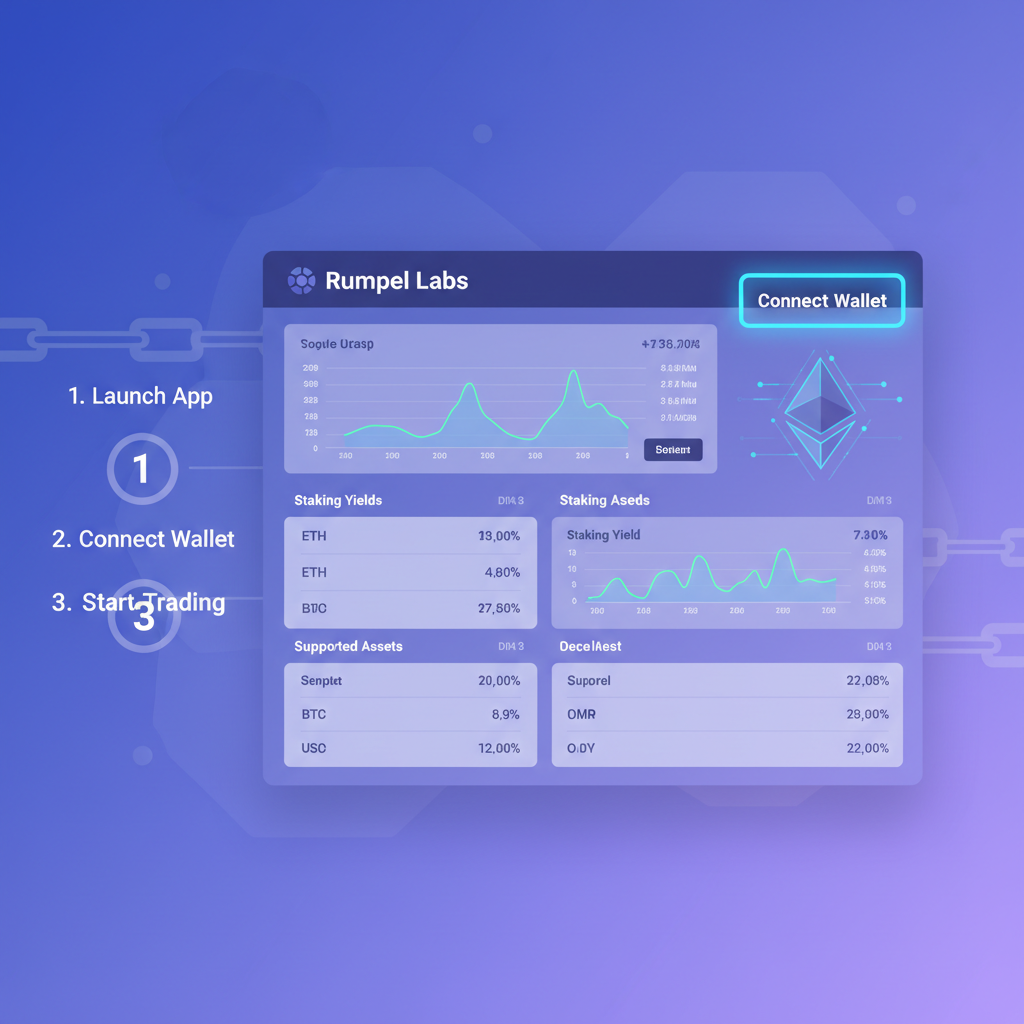
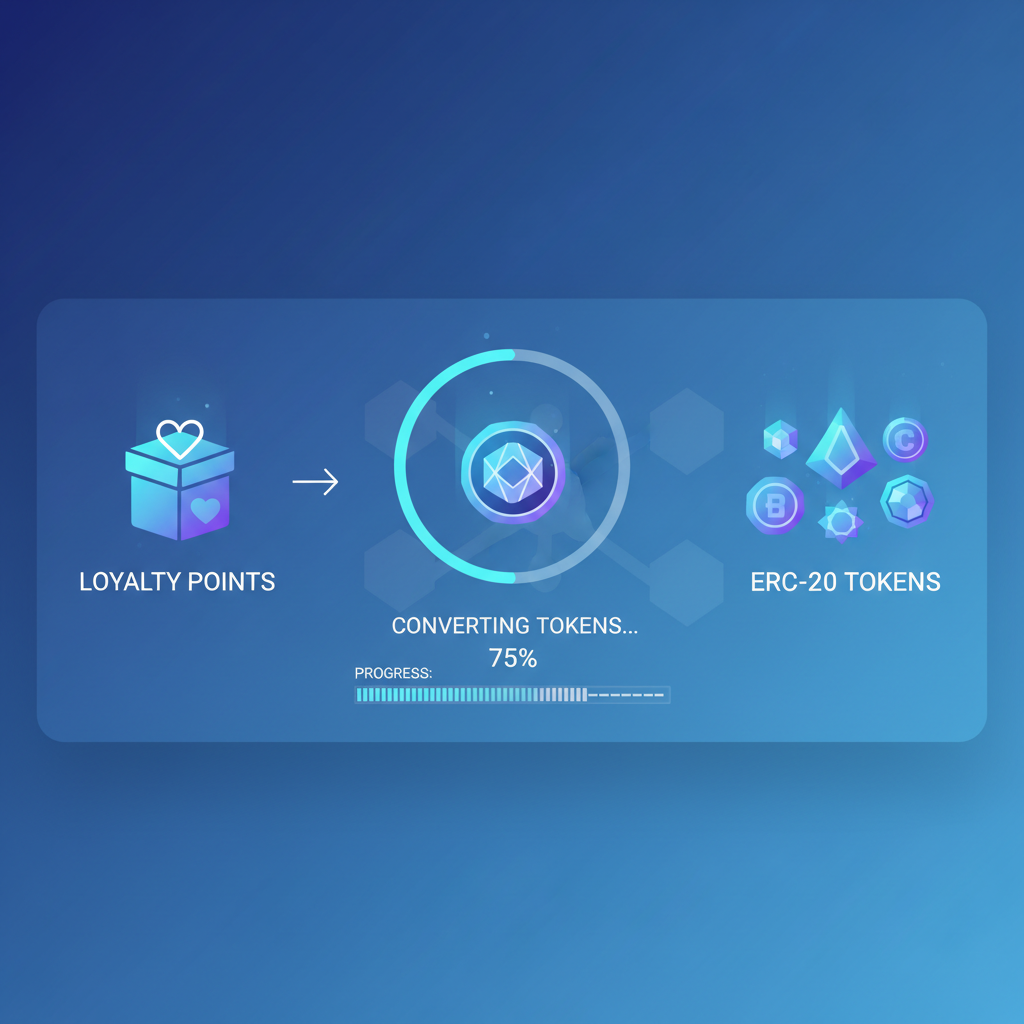
Early positioning in on-chain loyalty staking requires understanding the practical steps to convert points into productive assets. This process demystifies DeFi for non-technical users, leveraging user-friendly interfaces that abstract blockchain complexities. Platforms prioritize security audits and intuitive dashboards, making the transition from traditional rewards to loyalty token yields accessible.
Step-by-Step: Tokenizing and Staking Your Rewards
Unlock DeFi Yields: Tokenize Loyalty Points with Rumpel & Stake On-Chain
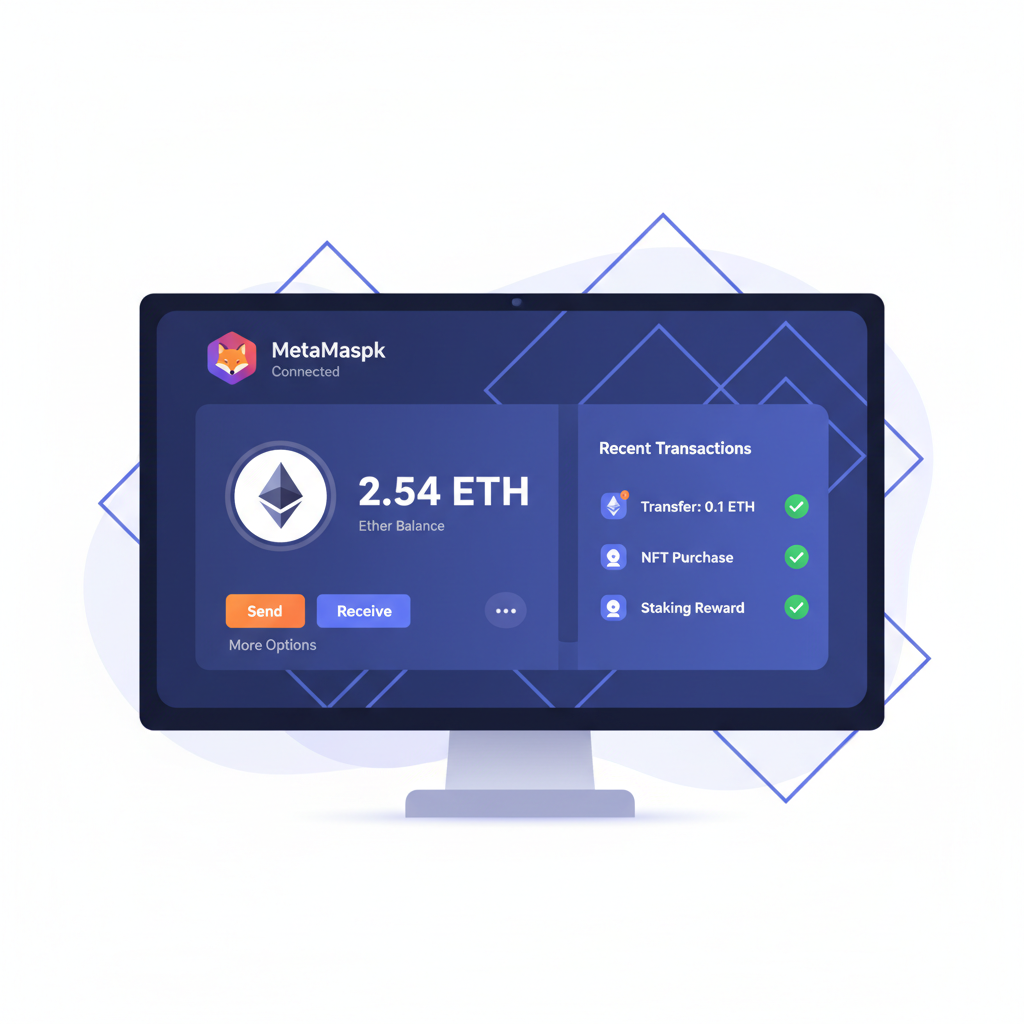
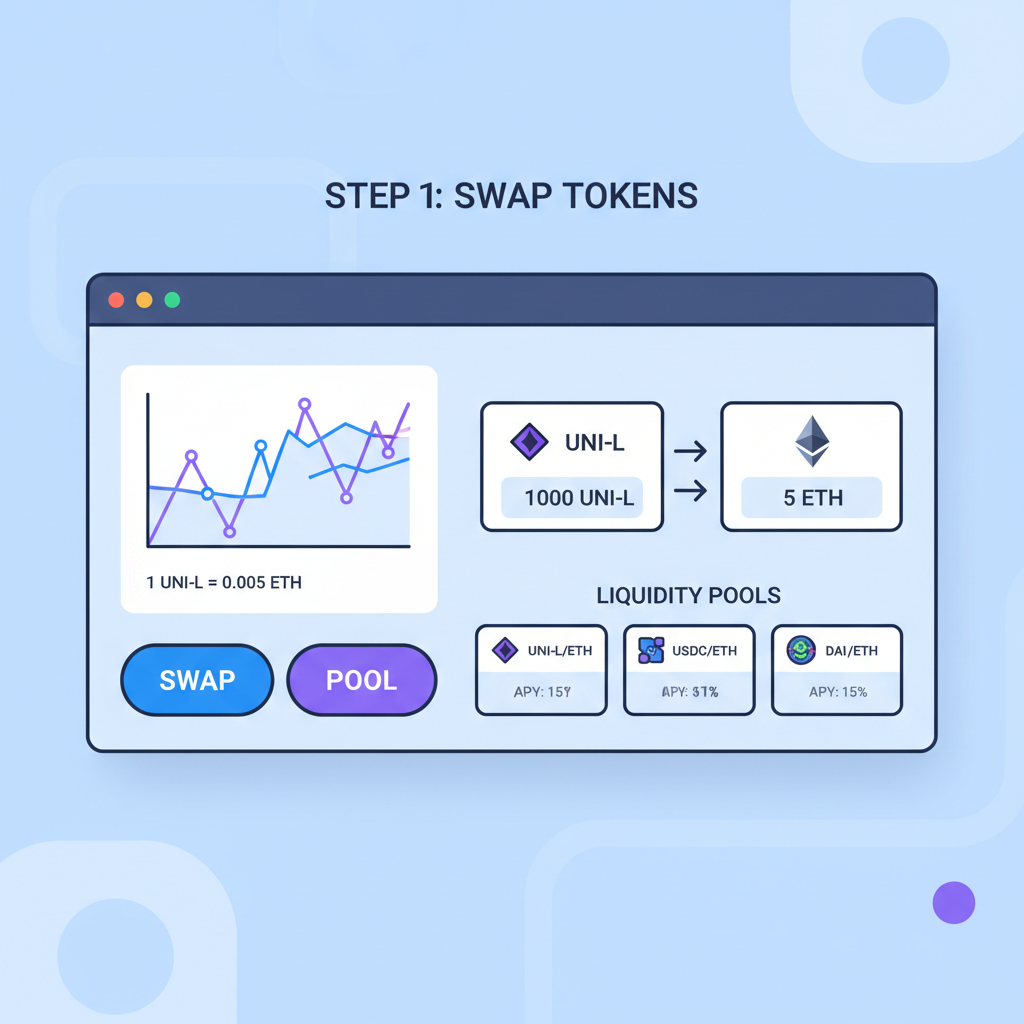
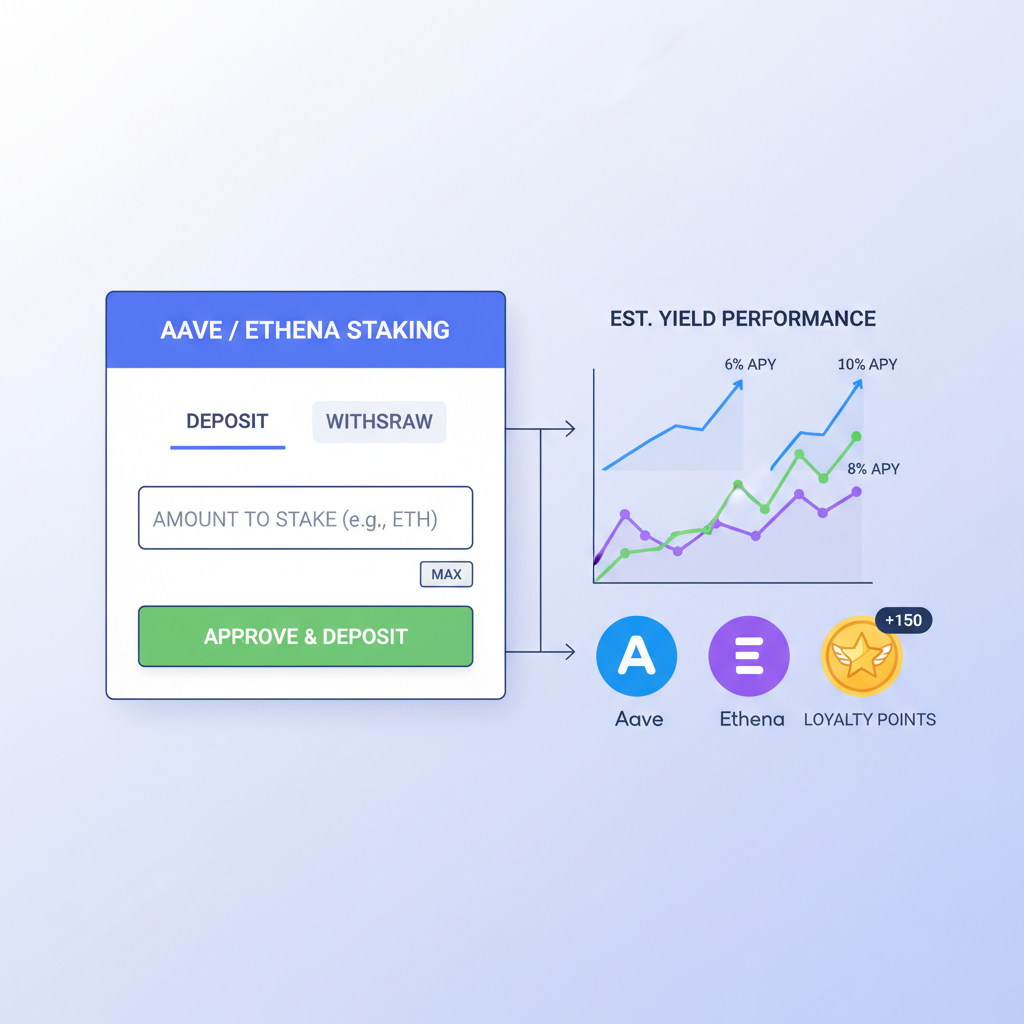
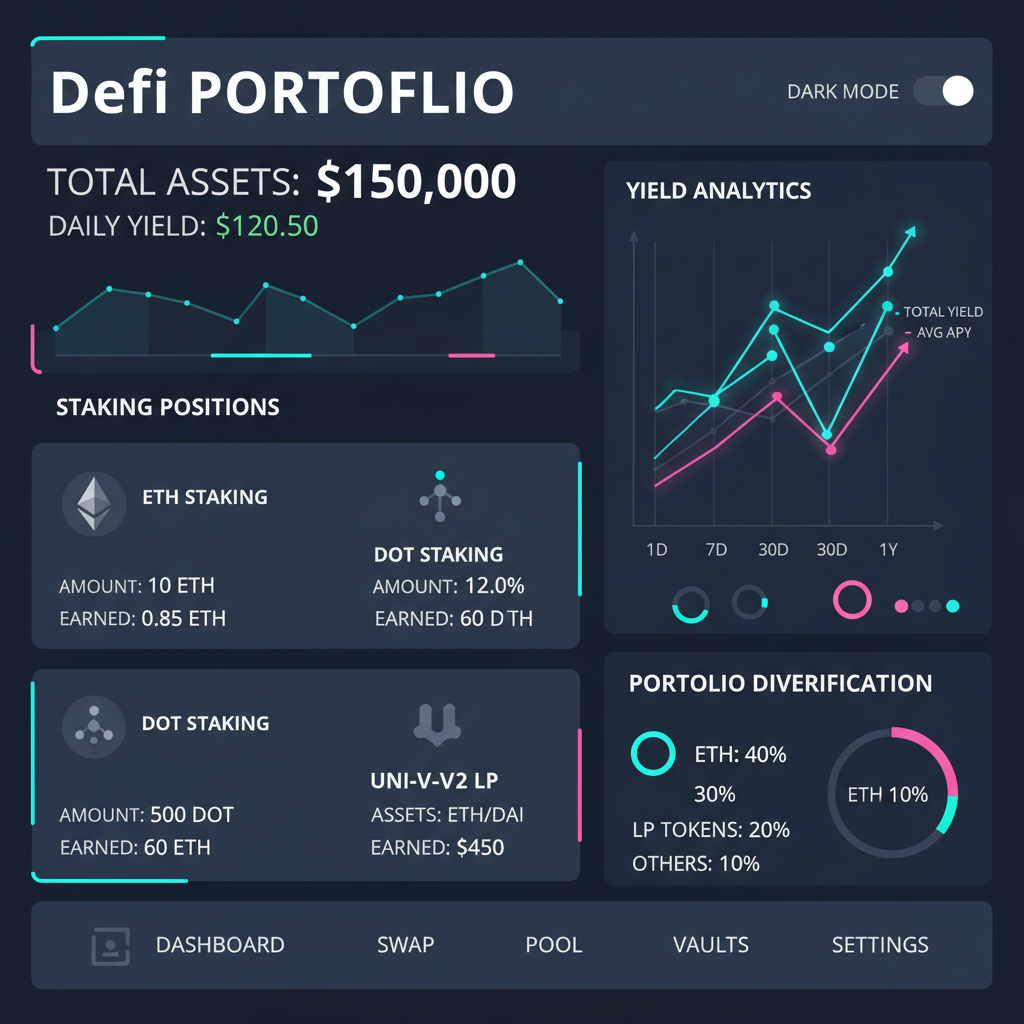
Once tokenized, these assets integrate with mature DeFi primitives. Lending protocols reward depositors with interest, while restaking amplifies returns by delegating security to multiple networks. My analysis of market cycles suggests this compounding mirrors commodity supercycles, where idle assets yield to active deployment, sustaining long-term value accrual.
Brands benefit too. By issuing on-chain points, they tap into network effects, as seen in Web3 apps like Blackbird. TokenMinds emphasizes how such programs extend rewards into DeFi lending, fostering sustained engagement without inflationary dilution. This creates virtuous loops: users stake for yields, liquidity deepens, and token prices stabilize upward.
On-chain loyalty staking boosts user engagement in DeFi projects through these mechanics, turning one-time spenders into committed stakers.
Navigating Risks in DeFi Loyalty Programs
No innovation lacks hurdles. Smart contract vulnerabilities top the list, though platforms like Rumpel mitigate via third-party audits and insurance funds. Impermanent loss in liquidity pools demands awareness, favoring stablecoin-paired strategies for conservative yields. Regulatory scrutiny looms as tokenized points blur consumer finance lines, yet blockchain transparency aids compliance.
Volatility remains inherent; loyalty tokens track brand health and DeFi sentiment. Diversification across protocols counters this, akin to portfolio theory in traditional finance. Galaxy’s on-chain yield report underscores staking’s role in revenue sharing, providing ballast against downturns. In practice, blending staking reward points with stable assets yields 5-15% APYs, per current integrations, balancing risk and reward.
Staking turns a proof-of-stake token into a productive asset by granting the holder a share of the revenue that rewards validators. (Galaxy Research)
Oracle dependencies, vital for off-chain point minting, improve with Chainlink’s expansions. Users should prioritize battle-tested infrastructure, avoiding nascent launches. Over 17 years, I’ve witnessed cycles punish the unprepared; here, due diligence on TVL growth, like Rumpel’s trajectory, signals resilience.
Looking toward mid-2026, expect deeper enterprise adoption. Avalanche and PixelPlex highlight wallet-integrated rewards, while cross-chain bridges unify fragmented programs. Tokenized RWAs entering DeFi will parallel loyalty points, creating hybrid yields blending consumer data with financial instruments.
Avax. network’s vision of tradable points evolves into staking ecosystems securing Layer-2s. Crypto reward cards evolve, channeling spending directly to vaults. This convergence positions DeFi loyalty programs as infrastructure, not gimmicks, rewarding consistent participants with asymmetric upside.
On-chain loyalty staking redefines engagement, converting ephemeral points into enduring capital. As macro forces favor decentralized productivity, those acting with conviction, tokenizing today, staking strategically, stand to harvest yields compounding across cycles. The big picture reveals not just returns, but a rearchitecture of value exchange in global finance.
About the Author