
Defining On-Chain Identity
On-chain identity refers to the practice of anchoring digital credentials and reputation directly to a blockchain address. Unlike traditional centralized databases where a corporation owns and manages your profile, on-chain identity shifts control to the user. This model treats identity not as a static record held by a platform, but as a portable, user-controlled credential that moves with you across different applications and networks.
At its core, this system uses cryptographic proofs to link real-world attributes—such as age, citizenship, or employment status—to a blockchain address. The Chainlink documentation explains that on-chain identity verification allows these attributes to be verified without exposing the underlying personal data to the public ledger. This ensures that while the proof of identity is immutable and transparent, the sensitive details remain private.
Technically, this often involves an "Identity Object" stored on the network. As described in the IOTA developer documentation, this object stores a Decentralized Identifier (DID) document, enabling both on-chain and off-chain actors to interact with it securely. This structure allows loyalty programs and other Web3 services to recognize a user’s history and status without relying on a central authority to validate their claims.
The primary distinction from legacy systems lies in data sovereignty. In a centralized model, your loyalty points and profile data are locked within a single company’s database. If that company changes its terms or shuts down, your history may vanish. On-chain identity makes this history permanent and accessible. You hold the keys, and you can present your verified attributes to any service that accepts them, creating a truly portable reputation system.
Why loyalty programs need on-chain identity
Current loyalty ecosystems are built on centralized databases that create data silos. When a consumer joins a program, their points and history are trapped within that specific brand’s ledger. This fragmentation forces users to manage dozens of separate accounts, while companies struggle to share verified customer data across partners without compromising privacy or security.
On-chain identity solves this by shifting control to the user. Instead of relying on a central authority to verify who you are, a blockchain-based identity allows individuals to manage their digital representation across multiple platforms. This creates a portable, interoperable standard where loyalty rewards can move with the user, rather than staying locked in a single corporate database.

This shift addresses the core limitations of legacy systems: fragmentation and lack of portability. By using on-chain identity, brands can offer a seamless experience where a user’s reputation and accumulated value are recognized universally, not just within one app. This interoperability is the foundation for a more efficient and user-centric loyalty economy.
How on-chain identity enables retention
On-chain identity transforms loyalty from a transactional exchange into a verifiable relationship. By anchoring user reputation and engagement history to a decentralized identifier, platforms can retain customers through trust and continuity rather than just points accumulation.
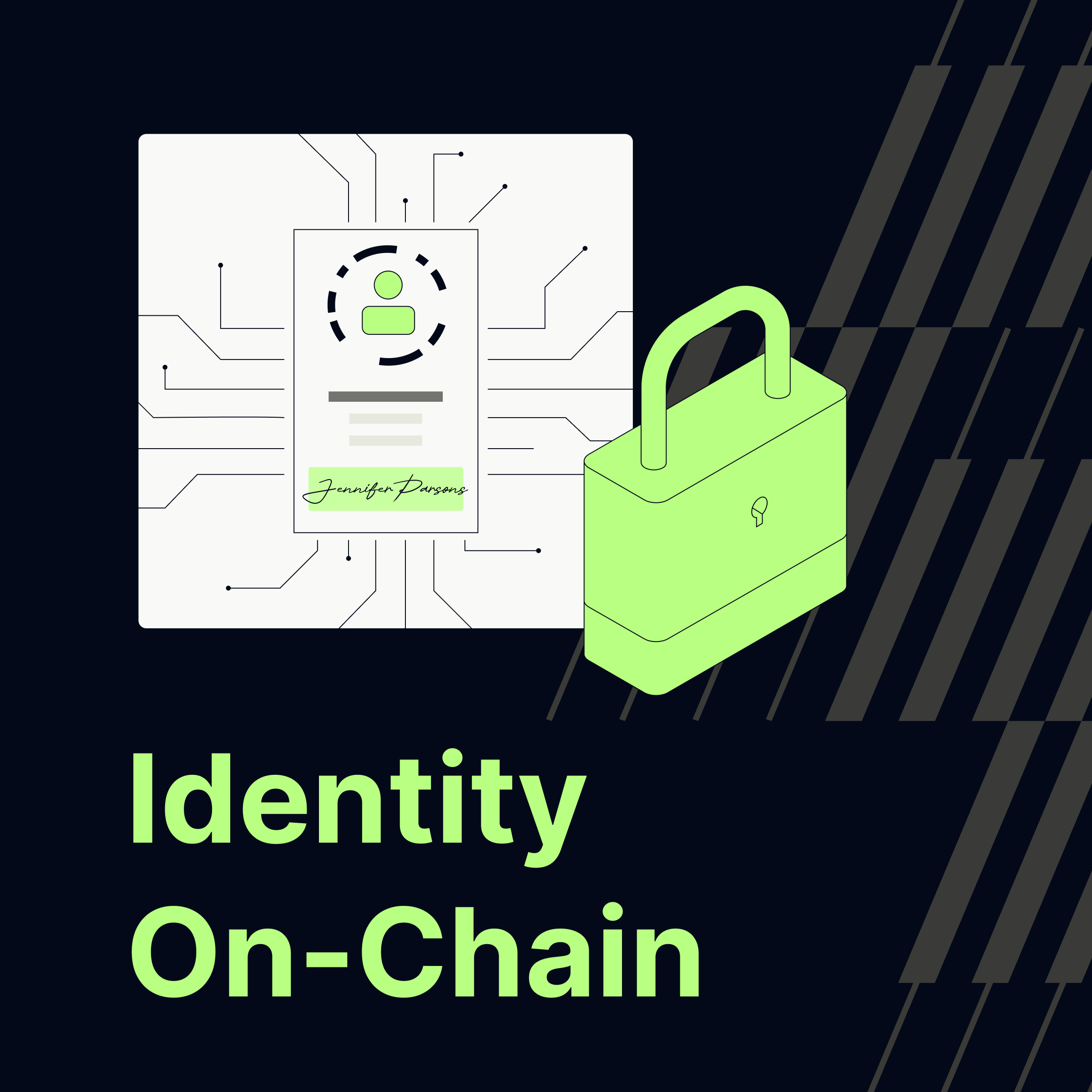
Traditional loyalty programs often require invasive data collection to personalize rewards. On-chain identity allows users to prove eligibility for rewards—such as VIP status or discounts—using zero-knowledge proofs. This verifies their standing without exposing private transaction history or personal details to the platform.

Users can aggregate certifications and loyalty milestones into a single identity. Systems like ONCHAINID allow identity holders to manage these credentials in one place, enabling seamless access to digital assets and services across different platforms without re-entering data or rebuilding reputation from scratch.
Loyalty is no longer siloed within a single brand. On-chain identity allows reputation and rewards to be portable across ecosystems. A user’s engagement history on one platform can unlock benefits on another, creating a cohesive loyalty network that keeps users engaged within the broader Web3 economy.
This approach shifts the focus from data extraction to value preservation. Users retain control over their digital footprint while platforms benefit from higher retention rates driven by genuine, verifiable engagement.
Implementation challenges and compliance
Deploying on-chain identity for Web3 loyalty requires navigating a dense regulatory landscape. The core tension lies in balancing the transparency of blockchain with the confidentiality demands of modern data laws. Implementing these systems is not merely a technical upgrade; it is a compliance overhaul that touches KYC/AML protocols, GDPR obligations, and legacy infrastructure integration.
Regulatory friction and data privacy
The immutability of blockchain conflicts directly with the "right to be forgotten" under GDPR. While on-chain identity systems like ONCHAINID provide unique, globally accessible identifiers, storing personal data on a public ledger is often non-compliant. Solutions typically rely on off-chain storage for sensitive data, keeping only hashes or credentials on-chain. This hybrid approach adds complexity but is currently the only viable path for enterprises operating in strict jurisdictions.
KYC/AML integration
Traditional loyalty programs do not require rigorous identity verification. On-chain loyalty, however, often intersects with financial regulations. Projects must integrate Know Your Customer (KYC) and Anti-Money Laundering (AML) checks at the point of identity creation. This means linking wallet addresses to verified real-world identities before any tokens or rewards can be issued. Failure to implement these checks can expose platforms to severe regulatory penalties.
Legacy system compatibility
Most enterprises run on legacy ERP and CRM systems that are not designed for blockchain interaction. Integrating on-chain identity requires building robust middleware that can translate between traditional database structures and decentralized identity standards. This integration is often the most time-consuming part of the deployment, requiring significant engineering resources to ensure data consistency across both systems.
Timeline of adoption
The industry has moved from experimental phases to structured integration efforts. The following timeline highlights key milestones in the development of on-chain identity standards and enterprise adoption.
Technical hurdles in practice
Beyond compliance, the technical architecture presents significant challenges. Developers must manage private keys securely while ensuring the user experience remains frictionless. If a user loses their private key, they lose access to their loyalty assets. This risk necessitates the development of social recovery mechanisms or account abstraction solutions, which are still maturing in the Web3 space.
No comments yet. Be the first to share your thoughts!