The 2026 shift from points to assets
For decades, loyalty programs operated on a simple promise: spend money, get points, redeem later. That promise has quietly broken. Traditional points are suffering from invisible inflation and restrictive redemption walls. Customers accumulate millions of points that are worth less each year, trapped in siloed ecosystems where transferring value is either impossible or prohibitively expensive. The "earn-and-burn" script is no longer a loyalty strategy; it is a liability on the brand's balance sheet and a frustration for the consumer.
On-chain loyalty 2026 introduces a different model. By tokenizing rewards as Real World Assets (RWA) or utility tokens, brands shift from issuing debt (points) to distributing liquid assets. These tokens live on public ledgers, meaning they can be traded, held, or spent across partner networks without the friction of proprietary portals. The value is transparent, and the utility is immediate. This isn't just a technological upgrade; it is a fundamental restructuring of how value is exchanged between businesses and their most loyal customers.
The contrast is stark. A hotel guest earning 50,000 points might find those points devalued by 10% the following year due to program adjustments. A guest holding a tokenized equivalent of that value sees their asset fluctuate with market dynamics or hold steady against a stablecoin peg. The customer gains ownership. The brand gains a transparent, auditable ledger of engagement. In 2026, loyalty is no longer about collecting stamps; it is about holding assets that actually appreciate or retain their worth.
How RWA tokenization powers loyalty
Real-world assets provide the backbone for the on-chain loyalty 2026 model by bridging physical value with digital transparency. When a hotel chain or retailer tokenizes an asset, they are not just listing inventory; they are creating a programmable claim on future value. This process transforms static rewards into liquid, tradable instruments that customers can hold, spend, or sell.
The mechanics begin with minting. A physical asset, such as a prepaid hotel stay or a specific retail good, is verified and represented by a token on a blockchain. This token is then distributed via smart contracts to customer wallets. The smart contract acts as an automated manager, enforcing the rules of the loyalty program without the need for intermediaries. This ensures that every point or token is accounted for, reducing fraud and administrative overhead.
Once minted, these tokens enter an earn-and-burn cycle that drives retention. Customers earn tokens through purchases or engagement, accumulating a balance that grows in utility. The "burn" phase occurs when a customer redeems these tokens for goods, services, or even exchanges them for other assets. This cycle creates a continuous loop of value exchange, encouraging repeat business while giving customers genuine ownership over their rewards.
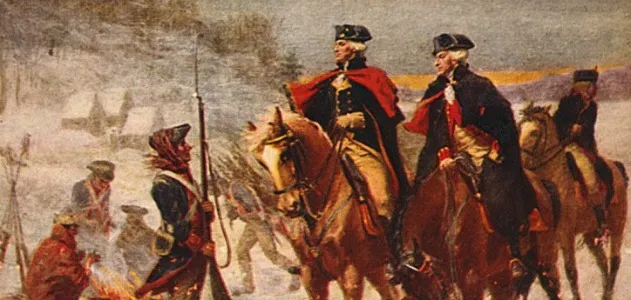
The shift from stamp cards to tokenized assets represents a fundamental change in customer engagement. By leveraging RWA tokenization, brands can offer more flexible and valuable loyalty programs. Customers benefit from the transparency and liquidity of blockchain technology, while brands gain deeper insights into consumer behavior and preferences. This synergy between physical assets and digital tokens is at the heart of the on-chain loyalty 2026 revolution.
Top on-chain loyalty models in 2026
The on-chain loyalty landscape in 2026 has moved beyond experimental pilots to structured, interoperable systems. Brands are no longer choosing between centralized databases and public blockchains; they are selecting specific tokenization models that balance liquidity, regulatory compliance, and customer retention. The leading approaches differ primarily in how they handle asset backing, redemption mechanics, and brand control.
Collateralized RWA Tokens
This model ties loyalty tokens directly to underlying real-world assets, such as cash reserves, treasury bills, or inventory. The value proposition is stability: points function more like a digital currency with a predictable floor price. This approach appeals to high-value customers who prioritize purchasing power over brand-specific perks. It reduces the "breakage" risk (unredeemed points) that plagues traditional programs, as the liability is clearly defined on-chain.
Utility-First Access Passes
Here, tokens act as keys rather than currency. Holding the token grants access to exclusive services, early product drops, or tiered membership benefits. This model prioritizes brand control and community engagement over financial speculation. It is ideal for lifestyle brands and hospitality groups looking to deepen emotional connections. The value is derived from the experience, not the token's market price, making it less sensitive to crypto market volatility.
Interoperable Point Aggregators
These platforms allow users to pool loyalty points from multiple brands into a single on-chain wallet, converting them into a universal credit or swapping them across partner ecosystems. This addresses the fragmentation problem of traditional loyalty, where points are trapped in silos. For consumers, it offers flexibility; for brands, it provides a new channel to acquire high-intent customers from partner networks.
Comparison of On-Chain Loyalty Models
The table below compares the primary operational differences between these models.
| Model | Liquidity | Redemption Ease | Brand Control | Target Audience |
|---|---|---|---|---|
| Collateralized RWA | High | Instant (Off-chain) | Medium | Value-driven, high-net-worth |
| Utility Access Pass | Low | Restricted (Platform-only) | High | Brand loyalists, enthusiasts |
| Point Aggregator | Medium | Flexible (Cross-brand) | Low (Shared) | Fragmented point holders, travelers |
Building retention with token economics
Use this section to make the On-Chain Loyalty decision easier to compare in real life, not just on paper. Start with the reader's actual constraint, then separate must-have requirements from details that are merely nice to have. A practical choice should survive normal use, maintenance, timing, and budget. If a recommendation only works in an ideal situation, call that out plainly and give the reader a fallback path.
-
Verify the basicsConfirm the core specs, condition, and fit before comparing extras.
-
Price the downsideLook for the repair, maintenance, or replacement cost that would change the decision.
-
Compare alternativesCheck at least two comparable options before treating one listing as the benchmark.
Market outlook and adoption trends
The integration of real-world assets (RWA) into customer retention strategies is shifting from experimental pilots to structural market infrastructure. As on-chain loyalty 2026 matures, the primary driver is no longer speculative value but operational efficiency and transparent reward redemption. Brands are moving away from siloed point systems toward interoperable token standards that reduce friction for both issuers and holders.
Current market dynamics show a clear preference for stability and utility. The integration of stablecoins as settlement layers for loyalty rewards has minimized volatility risk, allowing brands to treat points as a predictable liability. This shift is reflected in the broader crypto market’s stabilization, where assets like USDC provide a reliable baseline for value exchange without the noise of speculative trading.
Expert predictions for the near future emphasize regulatory clarity as the final hurdle for mass adoption. With frameworks like the EU’s MiCA establishing clear rules for asset-backed tokens, enterprises are gaining the confidence to scale tokenized loyalty programs. The focus is shifting toward compliance-ready infrastructure that allows brands to maintain customer engagement while adhering to strict financial regulations.
Adoption trends indicate that early movers are now optimizing for network effects rather than just user acquisition. The most successful on-chain loyalty models are those that allow points to be traded, gifted, or redeemed across partner ecosystems. This interoperability creates a stickier customer base, as the value of the reward increases with its utility and liquidity. The market is consolidating around platforms that offer seamless off-ramps and on-ramps, ensuring that digital rewards translate directly into tangible goods and services.
Frequently asked questions on on-chain loyalty 2026
As the industry shifts from digital stamp cards to on-chain loyalty 2026 models, common questions about legitimacy and performance arise. Below are answers based on current market data and official program structures.
Helpful gear
Use these product recommendations as a starting point, then choose the size, material, and price point that fit how you actually use the gear.
As an Amazon Associate, we may earn from qualifying purchases.
No comments yet. Be the first to share your thoughts!