
Why points programs are failing
Traditional loyalty programs are suffering from structural obsolescence. The current model relies on siloed databases where points are trapped within specific brand ecosystems, creating a fragmented experience for consumers and a liquidity trap for brands. A loyalty point earned at one retailer cannot be transferred, traded, or easily converted into value elsewhere, effectively rendering it an illiquid asset with a declining utility curve. This lack of interoperability stifles engagement, as users perceive these points as restricted currency rather than genuine ownership stakes.
The economic mechanics of this fragmentation are stark. Redemption rates for traditional points programs frequently hover below 20%, indicating that the majority of accumulated value remains dormant or is lost to expiration. This inefficiency represents a significant liability on corporate balance sheets and a missed opportunity for customer retention. In contrast, on-chain loyalty leverages blockchain infrastructure to tokenize rewards, transforming them into transferable, liquid assets. This shift allows users to trade, sell, or swap their earnings across platforms, introducing true market-driven liquidity to what was previously a closed-loop system.
The transition to on-chain loyalty is not merely a technological upgrade but an economic correction. By moving rewards onto public ledgers, brands can tap into decentralized finance (DeFi) primitives, enabling users to earn yield on their loyalty tokens or use them as collateral. This fundamental change in ownership structure addresses the core failure of traditional programs: the inability to realize value. As the market for digital assets matures, the distinction between "loyalty points" and "crypto assets" will likely disappear, leaving behind only those programs that offer genuine, portable value.
How tokenized rewards change ownership
Traditional loyalty programs operate on closed ledgers. Brands maintain proprietary databases where points exist only as internal credits. These systems are siloed, often incompatible with other services, and offer users no real control over their accumulated value. When a company changes its terms or shuts down, those balances vanish without recourse.
Tokenized on-chain loyalty replaces these databases with blockchain-based tokens. By issuing rewards as ERC-20 fungible tokens or ERC-1155 semi-fungible tokens, brands shift custody from their servers to the user’s wallet. This transition creates true digital ownership. The token is not a database entry; it is a cryptographic asset stored on a public ledger, accessible anywhere in the world.
This structural shift has significant economic implications. As noted by Chainlink, blockchain loyalty programs replace traditional points databases with tokenized digital assets and smart contracts. This allows for programmable logic embedded directly into the token standard. Rewards can automatically expire, transfer, or convert based on predefined conditions, removing the need for intermediaries to manage complex point calculations.
The result is a more liquid and transparent loyalty ecosystem. Users can hold, trade, or redeem tokens across different platforms that support the same standard. This openness contrasts sharply with the fragmented nature of legacy systems. It transforms loyalty points from static, non-transferable credits into active financial instruments that hold verifiable, market-driven value.
Note: The chart above illustrates the broader market interest in loyalty-focused token sectors. Specific loyalty tokens may have different liquidity profiles.
Smart contracts enable cross-brand value
On-chain loyalty programs shift the paradigm from isolated silos to an interconnected ecosystem. By leveraging the public data rails of blockchain, smart contracts allow different brands to conduct collaboration campaigns effortlessly. This interoperability removes the traditional friction of manual reconciliation, enabling a permissionless exchange of value that was previously impossible.
When loyalty points are tokenized, they become assets that can be swapped, combined, or used across participating brands. This creates a unified ledger where value is transparent and liquid. Brands can access this open-source infrastructure to create joint rewards, increasing customer engagement without the overhead of proprietary backend systems.
The economic mechanics of this shift are best understood by comparing the structural differences between legacy systems and on-chain alternatives.
| Feature | Traditional Siloed Points | On-Chain Tokenized Rewards | Cross-Brand Utility |
|---|---|---|---|
| Liquidity | None (non-transferable) | High (trappable/swappable) | Enabled via DEXs |
| Interoperability | None (brand-locked) | Full (permissionless) | Cross-brand campaigns |
| Transparency | Opaque (internal ledgers) | Public (on-chain data) | Real-time auditability |
| Reconciliation | Manual/High cost | Automated (smart contracts) | Instant settlement |
| Data Access | Proprietary only | Open-source ledger | Shared insights |
Real-world adoption and use cases
Brands are moving beyond experimental pilots to integrate on-chain loyalty into core revenue models. The shift is driven by the need for interoperable assets that retain value across different platforms, rather than being siloed within single vendor ecosystems. This structural change allows customers to treat rewards as liquid assets, increasing engagement and retention metrics.
Thirdweb’s Onchain Points infrastructure illustrates this utility. By providing a dedicated blockchain layer for loyalty programs, it enables brands to issue rewards with low transaction costs and high speed. This technical foundation allows points to function as a native currency within the brand’s ecosystem, facilitating seamless transfers and redemptions without the friction of traditional credit systems.
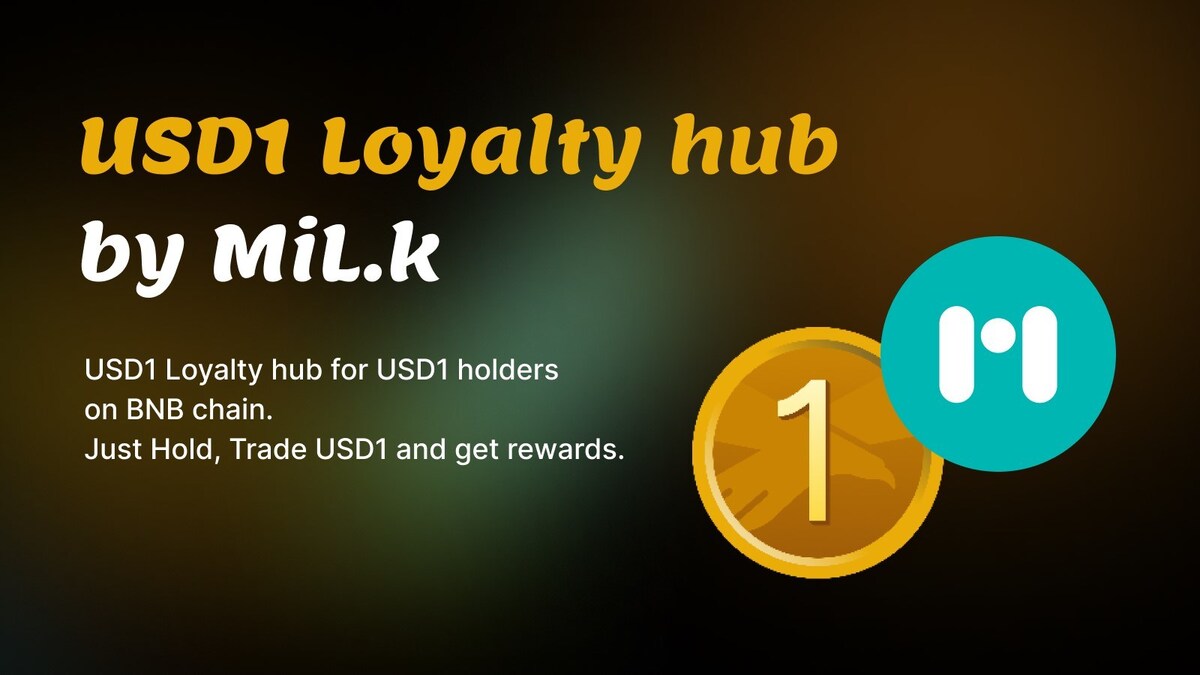
In the gaming and entertainment sector, MiL.k has launched a USD1 Loyalty Hub on the BNB Chain. This platform bridges real-world rewards with on-chain verification, allowing users to earn and spend stablecoin-backed loyalty points. The initiative demonstrates how stablecoins can anchor loyalty programs, providing price stability that fiat-based points often lack during periods of inflation.
Hang, built on Avalanche, is another example of on-chain loyalty reshaping customer engagement. By combining AI-driven personalization with on-chain verification, Hang ensures that rewards are distributed based on real-time user behavior. This approach not only enhances user experience but also provides brands with granular data on customer preferences, driving more effective marketing strategies.
These implementations share a common thread: they prioritize utility and transparency. By leveraging blockchain technology, these platforms offer customers greater control over their rewards, while brands benefit from reduced fraud and lower operational costs. This economic alignment is key to the sustainable adoption of on-chain loyalty programs.
Key risks and implementation hurdles
On-chain loyalty programs face structural friction that traditional points systems do not. The primary barrier is not technological capability, but user experience and regulatory clarity. Brands must navigate a landscape where gas fees, wallet onboarding, and asset volatility directly impact customer retention.
Regulatory uncertainty remains the most significant risk. Tokenized rewards often fall into a gray area between utility tokens and securities. Compliance costs can outweigh the benefits for smaller programs, especially as global regulations tighten around digital asset classification.
Gas fees and transaction costs create friction at every redemption step. If a user pays $2 in gas to redeem a $0.50 discount, the economic model collapses. Solutions like account abstraction or layer-2 scaling are necessary, but they add complexity to the integration.
Volatility undermines the utility of loyalty tokens. Unlike stable fiat points, crypto assets fluctuate in value. Without integration with stablecoins, brands risk their liability balance sheet swinging wildly with market conditions.
-
Wallet onboarding abstraction
-
Stablecoin selection for liability
-
Regulatory compliance audit
-
Gas fee subsidy strategy
The shift from centralized databases to tokenized digital assets requires a fundamental rethink of customer acquisition costs. As noted by Chainlink, blockchain loyalty programs replace traditional points databases with smart contracts, shifting the burden of trust from the brand to the code. This transparency is valuable, but only if the underlying infrastructure supports seamless, low-cost transactions.
No comments yet. Be the first to share your thoughts!