

Staking is no longer just about locking up assets and waiting for rewards. The rise of Liquid Staking Tokens (LSTs) has transformed the landscape, enabling users to stake crypto while retaining liquidity and maximizing their participation across DeFi. With Ethereum (ETH) currently trading at $4,463.43, projects are seizing this moment to launch liquid staking tokens that drive community engagement and turbocharge on-chain loyalty creation.
Why Launch a Liquid Staking Token for Your Community?
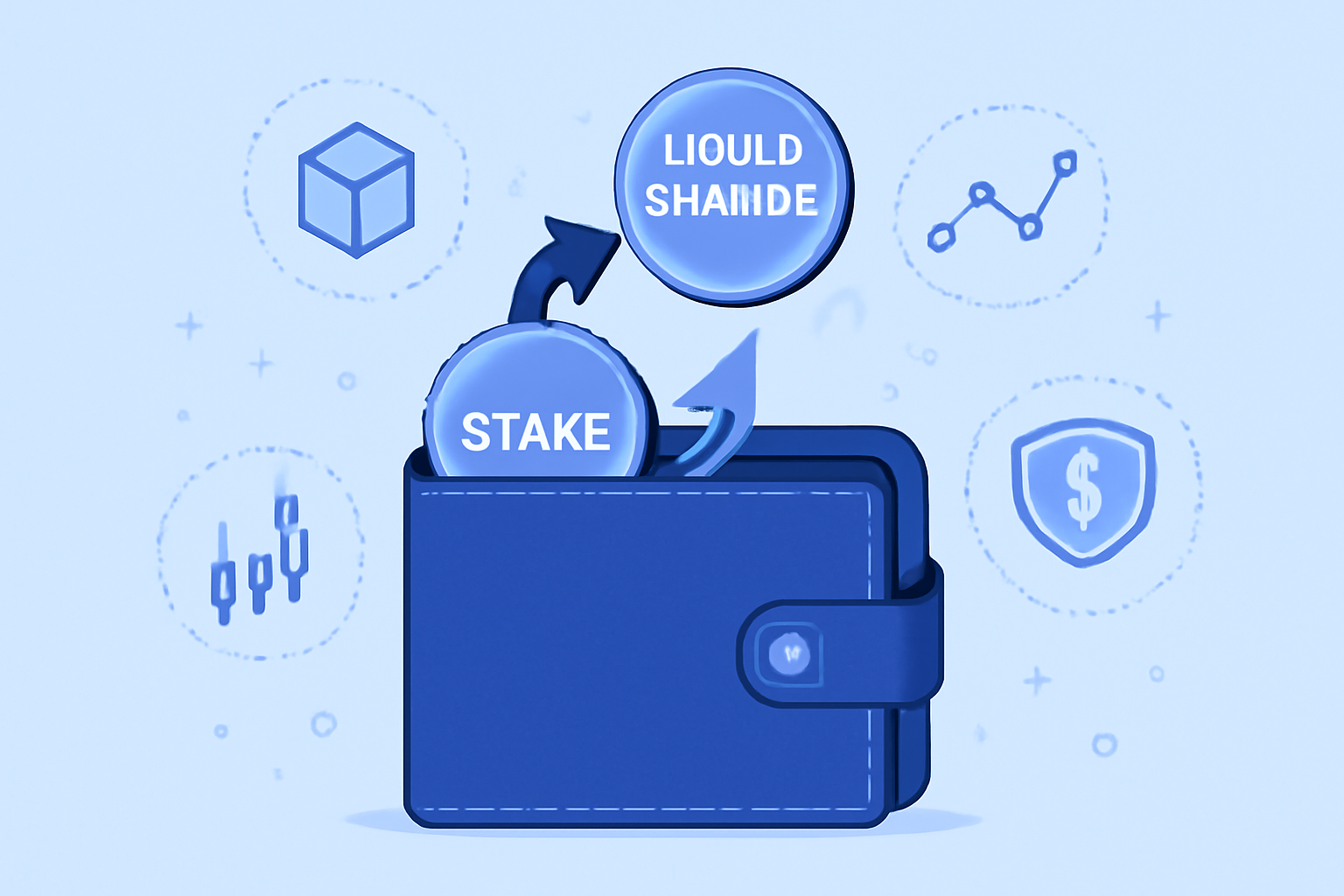
Launching your own LST is a strategic play that amplifies both user rewards and project visibility. Instead of forcing users to choose between staking yield and DeFi utility, you let them have both. When users stake their ETH or other assets, they receive an LST representing their staked position plus accrued rewards, tokens they can use in lending, yield farming, or even governance. This model powers community engagement while keeping your project’s liquidity sticky.
Key Benefits of Launching an LST for Community Rewards
- Unlocks Liquidity for Stakers: LSTs let users access the value of their staked assets without waiting for unstaking periods, enabling participation in DeFi protocols while still earning staking rewards.

- Boosts Community Engagement: Offering LSTs as rewards incentivizes users to participate, stake, and remain active in your ecosystem, strengthening community loyalty.
- Enhances Reward Flexibility: LST holders can earn multiple streams of rewards—staking yields plus additional DeFi incentives—maximizing earning potential.
- Promotes Platform Growth: By providing liquid rewards and broader utility, LSTs attract new users and increase total value locked (TVL) on your platform.
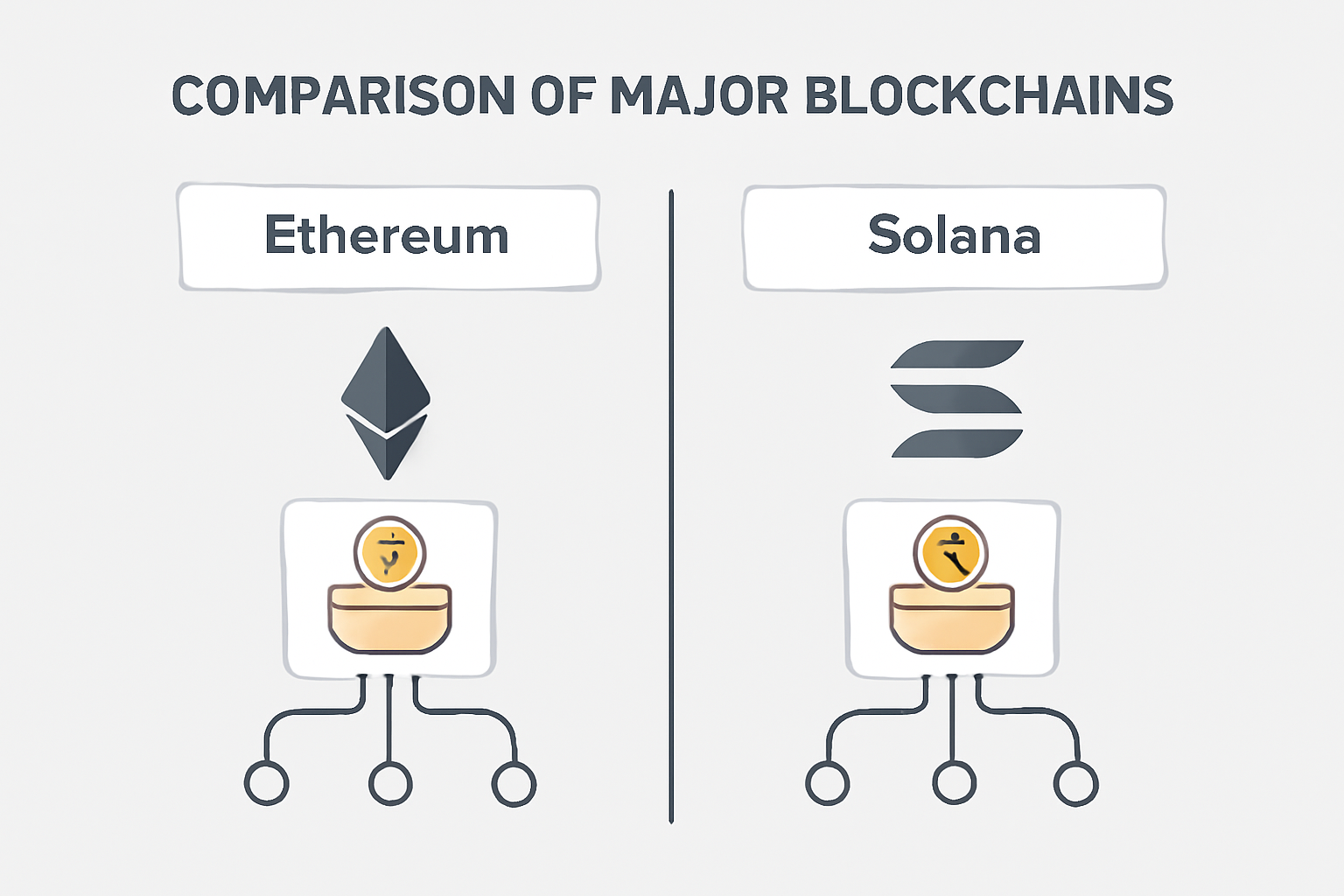
Take a cue from the likes of Ankr or Solana’s Stake Pool Program, both allow communities to stake assets without sacrificing access to DeFi primitives. As the market matures, users expect more than just passive staking; they want composability, liquidity, and real utility from their tokens.
The Mechanics: How LSTs Work Under the Hood
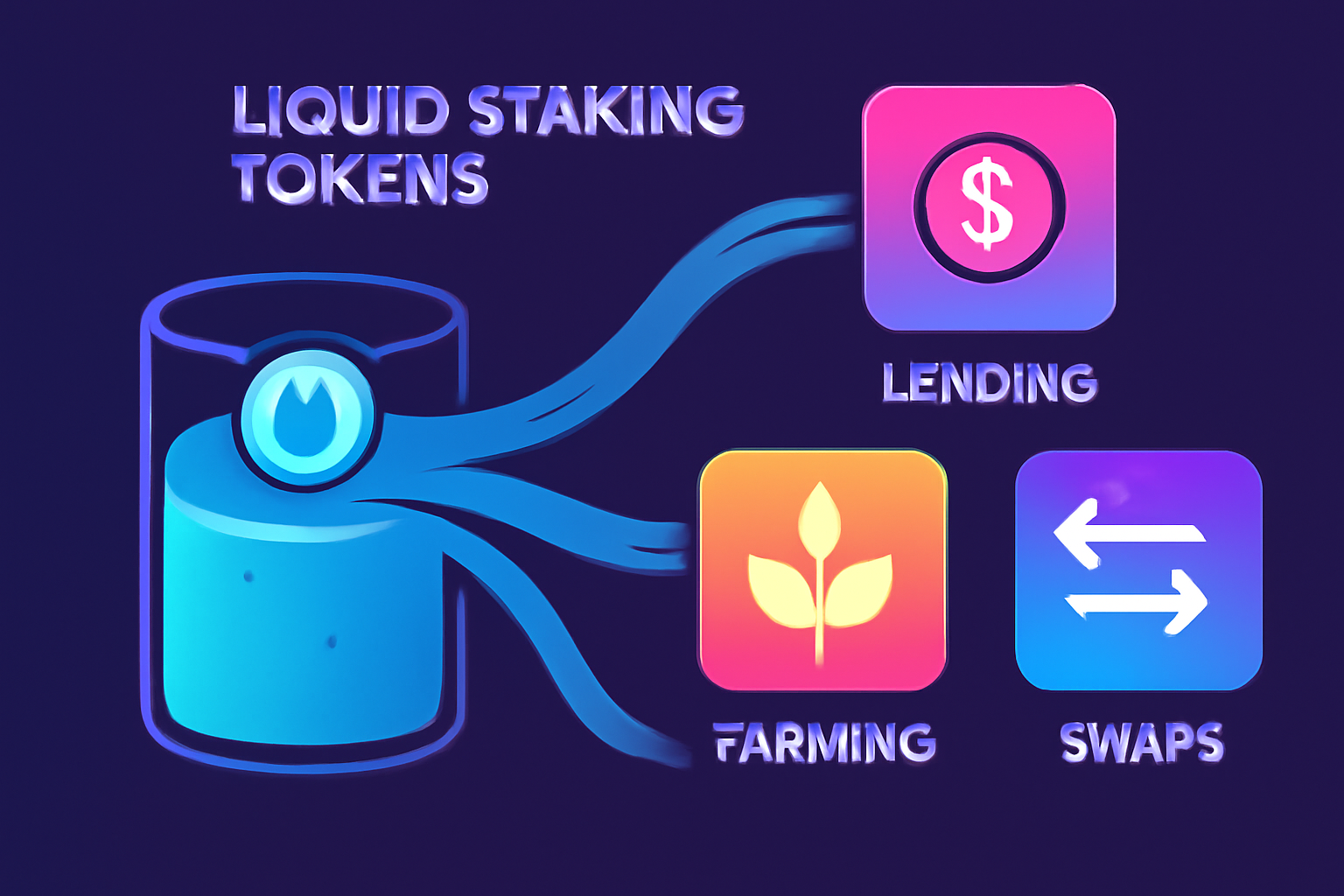
An LST acts as a receipt for staked assets. When a user deposits ETH into your protocol, they mint an equivalent amount of LSTs (like stETH or rETH), which accrue staking rewards over time. These tokens are transferable and usable across integrated DeFi platforms, think lending protocols or automated market makers, which means your community can put their capital to work beyond basic staking yields.
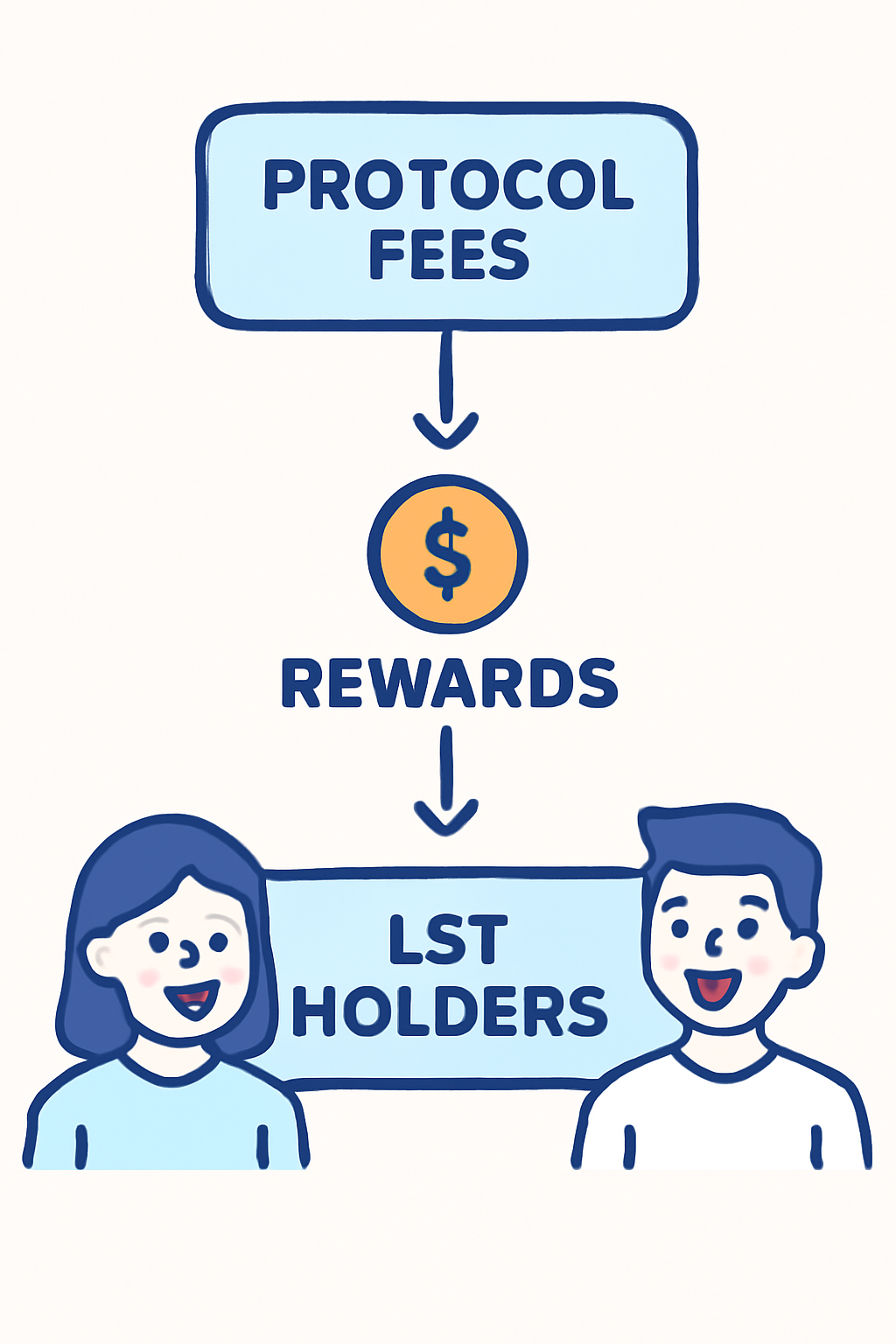
This innovation solves the classic trade-off between network security (via staking) and capital efficiency (via liquidity). It also opens up new incentive models: allocate protocol fees or distribute extra token rewards directly to LST holders, deepening user loyalty through tangible on-chain benefits.
Step-by-Step: Launching Your Own Community-Focused Liquid Staking Token
If you’re ready to launch a liquid staking token that supercharges community rewards and on-chain loyalty creation, here’s a concise roadmap:
How to Launch Your Own Liquid Staking Token (LST) for Community Rewards
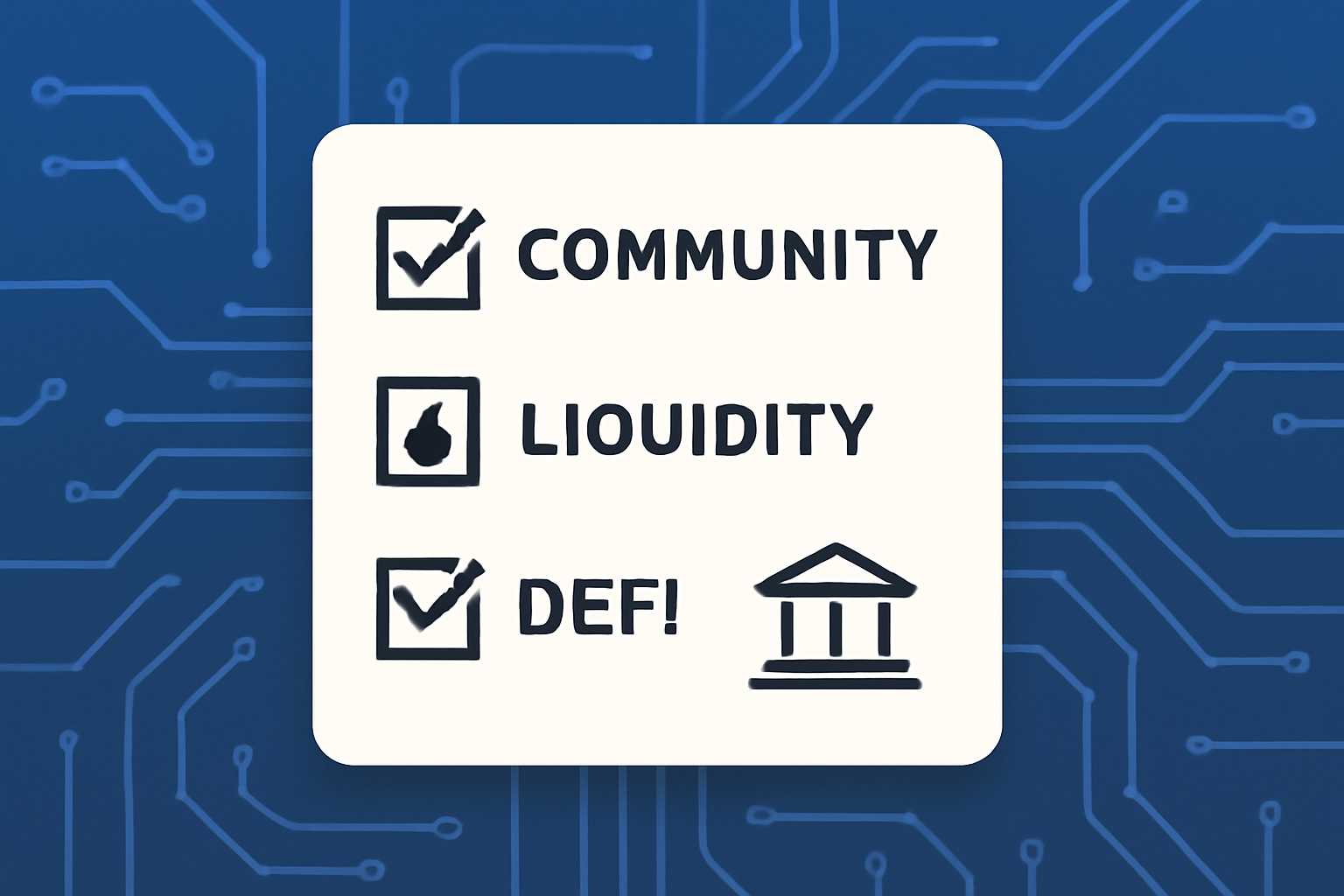



1. Define Objectives and Value Proposition: Pin down whether you’re optimizing for engagement, liquidity provision, or deep DeFi integration.
2. Select Your Blockchain Platform: Choose infrastructure that supports robust smart contract development and seamless integration with existing DeFi stacks. Solana’s Stake Pool Program is one such example (see QuickNode guide).
3. Build Secure Smart Contracts: Prioritize pre-audited contracts where possible (dive deeper here). Security is paramount when managing pooled funds and issuing derivative tokens.
LST Integration Across DeFi
The true power of an LST lies in its composability. By integrating with lending markets or yield aggregators (as Ankr does), you enable holders to maximize returns without unstaking, fueling both user retention and TVL growth for your project.
This isn’t just about copying what’s already out there, it’s about tailoring your reward mechanisms so they fit your unique community incentives while leveraging proven tech stacks from industry leaders.
As you finalize your LST launch, focus on seamless user experience and robust integrations. The best projects remove friction from staking, minting, and redeeming processes. That means clear UI flows, transparent reward calculations, and instant access to DeFi protocols where LSTs can be put to work. Community trust is built on reliability, every contract interaction must be audited and every edge case considered.
Reward Distribution: Driving Loyalty with On-Chain Incentives
Reward distribution is where your LST stands out. Instead of generic inflationary rewards, consider channeling a share of protocol fees or unique yield streams directly to LST holders. For example, some platforms distribute non-inflationary rewards by allocating a portion of transaction fees back to stakers, an approach that’s both sustainable and attractive in today’s competitive landscape (learn more here).
With ETH at $4,463.43, users are laser-focused on maximizing their capital efficiency. Your protocol should make it effortless for them to track their rewards in real time and understand the mechanics behind each payout.

Security and Compliance: No Room for Error
Security isn’t just a checkbox, it’s existential. Use pre-audited smart contracts whenever possible and establish a bug bounty program to crowdsource vulnerability discovery. Regulatory clarity is equally critical; as liquid staking becomes mainstream, authorities are scrutinizing token classifications more closely than ever (see regulatory insights). Stay proactive with compliance reviews so your community can stake with confidence.
Growth Tactics: Promoting Your LST for Maximum Impact
You’ve built the tech, now amplify adoption with strategic marketing and community engagement. Educate users on the benefits of on-chain loyalty creation through AMAs, tutorials, and interactive dashboards. Partner with DeFi protocols that can integrate your LST as collateral or liquidity, multiplying its utility across the ecosystem.
Top Strategies to Promote Your Liquid Staking Token
- List on Major DEXs and Aggregators: Ensure your LST is tradable on top decentralized exchanges such as Uniswap and SushiSwap. Visibility on platforms like CoinGecko and CoinMarketCap increases discoverability and trust.

- Collaborate with Reputable Auditors: Publicize smart contract audits from firms like CertiK or ConsenSys Diligence to build user trust and demonstrate commitment to security.




Incentivize early adopters with bonus rewards or exclusive governance rights tied to holding your LSTs through key milestones. As TVL grows, showcase live stats, like total assets staked or rewards distributed, to fuel FOMO and attract new participants.
Future-Proofing Your Community Rewards Model
The DeFi landscape evolves at breakneck speed; projects that adapt win big. Keep listening to your community’s feedback and iterate on reward structures as new opportunities emerge in the broader ecosystem (think cross-chain staking or novel incentive models). With ETH trading above $4,400, there’s never been a better time to launch an LST that turns passive holders into active evangelists.
The bottom line: launching your own liquid staking token isn’t just about technical innovation, it’s about creating lasting loyalty loops within your user base while unlocking the full potential of DeFi project staking for everyone involved.




No comments yet. Be the first to share your thoughts!