Why onchain loyalty 2026 matters now
Onchain loyalty 2026 represents a structural shift in customer retention, moving beyond static points to liquid, interoperable assets. By tokenizing real-world value, brands can transform dormant liabilities into engaging, tradable rewards that align long-term interests with immediate utility.
Traditional loyalty programs are stuck in a static loop. Customers earn points that sit dormant in siloed databases, losing value to inflation and expiration. Brands struggle with high liability costs and poor redemption visibility. The result is a system where neither party sees a return on investment, and engagement drops as the points become just another form of digital clutter.
Onchain loyalty 2026 changes this by treating loyalty liabilities as Real World Assets (RWA). Instead of hidden ledger entries, points become tokenized assets on a blockchain. This shift transforms customer retention from a marketing expense into a liquid, transparent financial instrument. Brands can now manage their loyalty liabilities with the same precision as treasury management, while customers see real, tradable value in their rewards.
2026 is the pivotal year for this integration because regulatory clarity and technical infrastructure have finally aligned. Major financial institutions are beginning to tokenize traditional assets, creating a bridge between legacy loyalty systems and decentralized finance. This convergence allows brands to issue loyalty tokens that can be held, traded, or redeemed across different platforms, breaking down the walls that have long isolated customer data and value.
The move to onchain loyalty is not just a technological upgrade; it is a fundamental restructuring of how customer relationships are valued. By leveraging tokenization, brands can offer liquidity where there was once only restriction, creating a more engaging and economically sound loyalty ecosystem. This shift sets the stage for a new era of customer retention, where every point earned has a clear, verifiable, and transferable worth.
RWA tokenization mechanics in loyalty
Real-world assets are no longer just static collateral in the background of DeFi protocols. They are becoming the liquid backbone of onchain loyalty programs, turning idle inventory, real estate, and debt into active reward currency. When a brand tokenizes a physical asset, it breaks that asset into digital shares that can be distributed, traded, or redeemed by customers. This process transforms loyalty points from closed-loop liabilities into open, tradable financial instruments.
The mechanics rely on a bridge between the physical and digital worlds. A company first identifies an asset with tangible value—such as unsold merchandise or a fractional ownership stake in commercial property. This asset is then securitized and minted as a token on a blockchain, often using ERC-3643 or similar compliance-friendly standards. Each token represents a specific claim on the underlying asset. For loyalty purposes, these tokens can be issued as rewards, allowing users to hold a piece of the brand’s actual equity or inventory rather than a proprietary point that expires.
This shift changes the economic incentive for retention. In traditional programs, points are a cost to the company and a vague promise to the user. In an RWA-backed system, the reward has immediate, transparent market value. If the underlying asset appreciates, the loyalty token appreciates with it. This aligns the long-term interests of the brand and its customers, creating a "sticky" ecosystem where leaving the program means forfeiting a real financial position. Companies like Nike and Starbucks are already experimenting with these models, proving that blockchain loyalty can reshape engagement by making rewards feel like genuine investment.
Technical Chart
The correlation between RWA tokenization volume and loyalty program adoption rates is becoming increasingly visible in market data. As more brands tokenize physical assets for loyalty use, the liquidity of these tokens improves, driving further adoption. This feedback loop is beginning to show up in on-chain metrics, suggesting that RWA-backed loyalty is not just a niche experiment but a growing segment of the broader crypto economy.
Top onchain loyalty program examples
Brands are moving beyond experimental pilots to deploy onchain loyalty systems that treat rewards as transferable digital assets. This shift from closed-loop points to onchain tokens allows customers to trade, sell, or combine rewards across platforms, fundamentally changing how loyalty programs drive retention. By tokenizing loyalty points, companies unlock a secondary market for engagement that traditional programs cannot match.
Nike: Tokenized Engagement
Nike has pioneered the intersection of physical goods and onchain rewards through its SNKRS platform and broader Web3 initiatives. By issuing NFT-based tokens that grant access to exclusive releases and digital collectibles, Nike has created a loyalty system that extends far beyond simple discounts. These onchain assets serve as verifiable proof of membership, allowing the brand to reward long-term engagement with tangible digital equity rather than transient coupons.
Starbucks: The Odyssey Program
Starbucks’ Odyssey program represents one of the most significant corporate entries into onchain loyalty. By integrating blockchain technology into its rewards ecosystem, Starbucks allows members to earn "Stamps"—onchain tokens that can be exchanged for exclusive digital collectibles. This approach transforms routine coffee purchases into a gamified journey, giving customers a new form of digital property that reflects their brand affinity.
Cleveland Cavaliers: Fan Tokenization
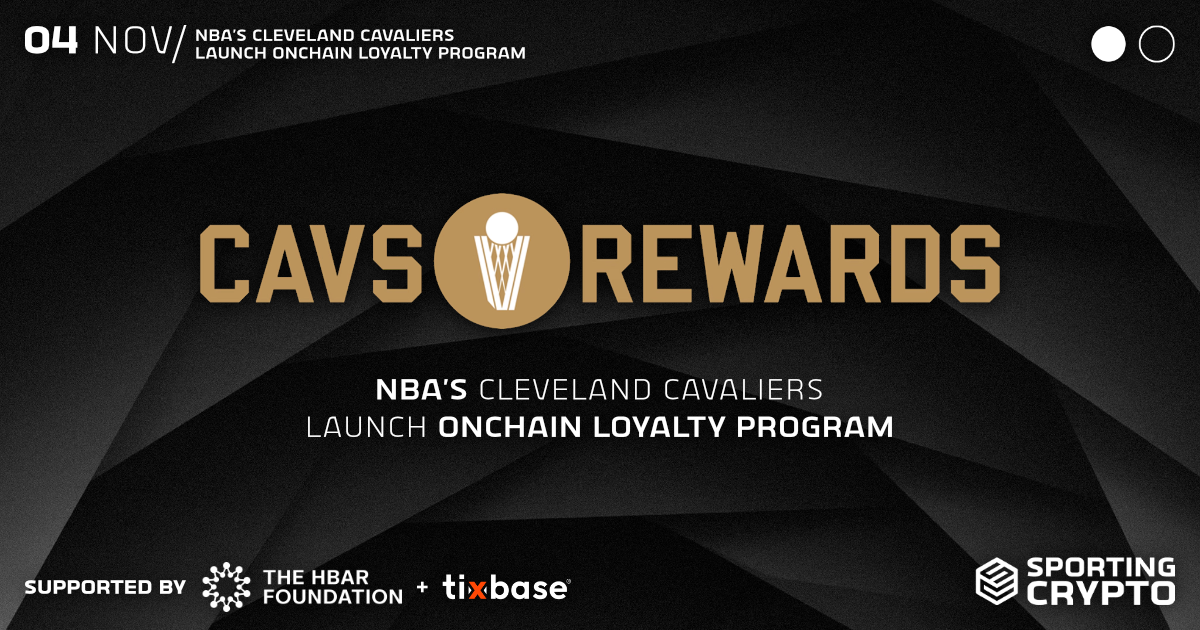
Sports franchises are leveraging onchain loyalty to deepen fan connection through real-world asset tokenization. The Cleveland Cavaliers launched an onchain loyalty program that allows fans to earn and trade tokens tied to team experiences and merchandise. This model turns passive spectators into active stakeholders, where loyalty is rewarded with tradable assets that hold value both within and outside the team’s ecosystem.
Comparison: Traditional vs. Onchain Loyalty
The transition to onchain loyalty programs offers distinct advantages in flexibility and customer lifetime value. While traditional programs lock rewards into a single brand, onchain tokens create interoperability and secondary market potential.
| Metric | Traditional Loyalty | Onchain Loyalty |
|---|---|---|
| Redemption | Fixed catalog, single brand | Flexible, multi-platform, tradable |
| Customer Lifetime Value | Static, limited growth potential | Higher due to secondary market engagement |
| Operational Cost | High fraud risk, manual reconciliation | Automated via smart contracts, lower fraud |
Challenges in blockchain customer retention
Onchain loyalty promises frictionless rewards, but the path to retention is littered with structural friction. The most immediate hurdle is regulatory uncertainty. As brands tokenize rewards as real-world assets, they step into a minefield of securities laws, anti-money laundering (AML) requirements, and cross-border compliance. A program that works in one jurisdiction may trigger a securities registration requirement in another. Unlike traditional points, which are generally treated as contract liabilities, tokenized assets can be scrutinized by regulators like the SEC or MiCA authorities in the EU. This ambiguity forces brands to build expensive legal infrastructures before they can even launch, slowing down time-to-market and increasing the cost of customer acquisition.
User experience complexity remains the second major barrier. Most consumers are not familiar with private keys, gas fees, or wallet connections. Asking a user to bridge assets or manage a non-custodial wallet to redeem a coffee reward creates too much friction for everyday retention. The best onchain loyalty programs hide this complexity behind account abstraction, allowing users to interact with tokens as seamlessly as they swipe a credit card. Without this abstraction, the novelty of blockchain wears off quickly, and users abandon the program for simpler alternatives.
Finally, token volatility poses a significant risk to perceived value. If a loyalty token’s price fluctuates wildly, customers may view it as a speculative asset rather than a reliable reward. This can lead to hoarding during bull markets and rapid dumping during corrections, destabilizing the brand’s liability on its balance sheet. Brands must design mechanisms—such as stablecoin pegs or dynamic redemption rates—to insulate the customer experience from market noise. Without these safeguards, the very transparency that makes blockchain attractive can become a liability for customer trust.
Building a sustainable onchain loyalty strategy
Integrating real-world asset tokenization into your loyalty framework requires shifting focus from speculative trading to long-term retention. The goal is to create a utility-driven ecosystem where tokens represent tangible value, such as exclusive access, tangible rewards, or equity-like benefits, rather than just a tradable asset.
Step 1: Define the Real-World Utility
Before writing a single line of code, you must anchor your token to a tangible real-world asset or service. Whether it’s a discount on physical goods, access to a membership tier, or a share of revenue, the utility must be clear. Without this foundation, your loyalty program risks becoming just another volatile crypto asset. Define the "what" and "why" for your customers, ensuring the token solves a specific friction point in their current experience.
Step 2: Design Tokenomics for Retention, Not Speculation
The economic model of your token should discourage immediate selling and encourage holding. Implement mechanisms like vesting schedules, staking rewards for loyalty points, or expiration dates for non-essential perks. This aligns user incentives with long-term engagement. For example, a token that grants access to a premium community might appreciate in value only if the community remains active and valuable, creating a self-reinforcing loop of retention.
Step 3: Integrate with Existing Customer Data
Your onchain loyalty system should not exist in a vacuum. Connect your smart contracts with your existing CRM or customer data platform. This allows you to track off-chain behaviors—like purchase history or support tickets—and reward them with onchain tokens. This hybrid approach bridges the gap between traditional retail and Web3, making the transition seamless for customers who may not be crypto-native.
Step 4: Ensure Regulatory Compliance and Security
RWA tokenization intersects with securities laws in many jurisdictions. Engage legal experts early to determine if your tokens qualify as securities, utility tokens, or something else entirely. Additionally, conduct thorough smart contract audits to prevent exploits. Security is not just a technical concern; it is a trust signal. A single breach can destroy the reputation of your loyalty program and the brand behind it.
Step 5: Launch with a Closed Beta
Start with a small, controlled group of loyal customers. This allows you to test the user experience, identify bugs in the token distribution flow, and gather feedback on the perceived value of the rewards. Use this phase to refine the onboarding process, which is often the biggest barrier to entry for non-crypto users. Once the beta is stable, you can scale up with confidence.
Anchor your token to a tangible asset or service, such as exclusive access or tangible rewards, to move beyond speculative trading and ensure long-term retention.

Implement vesting schedules, staking rewards, or expiration dates to discourage immediate selling and encourage holding, aligning user incentives with long-term engagement.
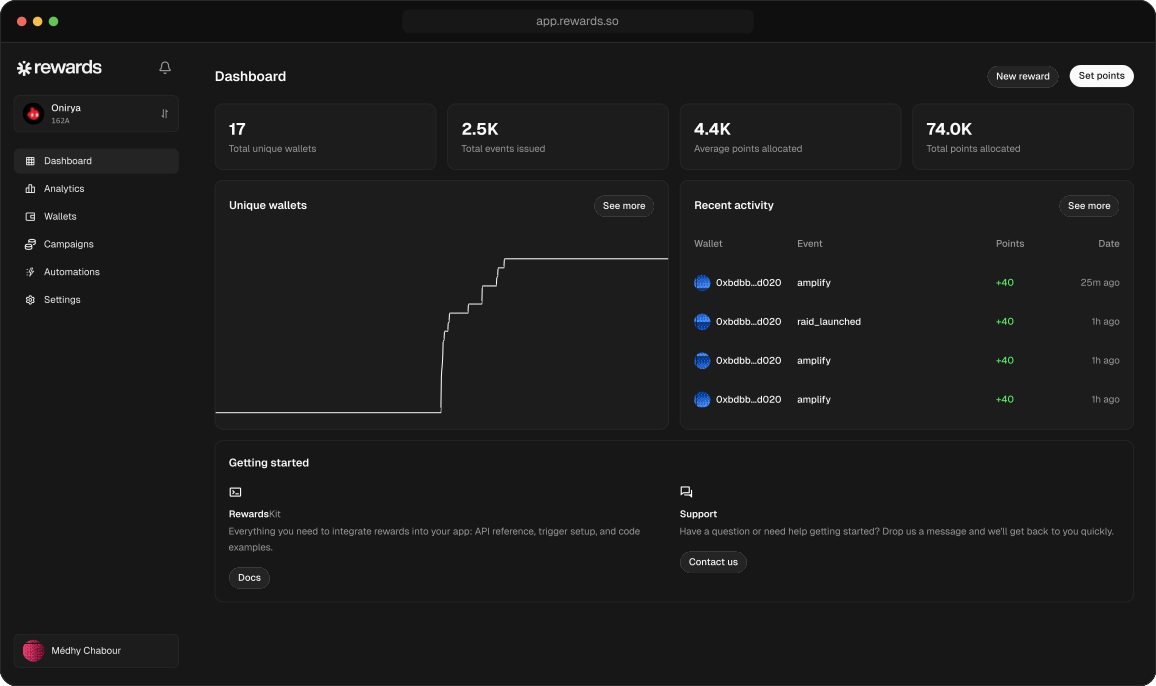
Connect smart contracts with your CRM to track off-chain behaviors like purchase history and reward them with onchain tokens, bridging the gap for non-crypto users.
Engage legal experts to navigate securities laws and conduct thorough smart contract audits to protect brand reputation and user trust.
Start with a small group of loyal customers to test the user experience, identify bugs, and refine onboarding before scaling up.
| Focus | Speculative Model | Sustainable RWA Model |
|---|---|---|
| Goal | Price appreciation | Long-term engagement |
| Value Driver | Market sentiment | Real-world utility |
| User Action | Buy and sell | Use and hold |
The transition from traditional loyalty programs to onchain systems is not just about adopting new technology; it is about rethinking customer value. By focusing on sustainable tokenomics and real-world utility, brands can build loyalty programs that withstand market volatility and foster genuine customer relationships.
Frequently asked questions onchain loyalty
Helpful gear
Use these product recommendations as a starting point, then choose the size, material, and price point that fit how you actually use the gear.



As an Amazon Associate, we may earn from qualifying purchases.
No comments yet. Be the first to share your thoughts!