
In the bustling DeFi landscape of 2026, on-chain loyalty staking emerges as a beacon for savvy investors seeking sustainable yields beyond volatile trading. Platforms like Loyyal Network exemplify this shift, turning everyday customer interactions into tokenized assets that accrue value across ecosystems. No longer confined to siloed airline miles or hotel points, these interoperable rewards promise fluidity in a multi-chain world, rewarding loyalty with real economic upside.
Traditional loyalty programs have long suffered from fragmentation; points expire, redemption options dwindle, and value erodes over time. Blockchain flips this script by tokenizing rewards on immutable ledgers, enabling users to stake loyalty tokens on blockchain infrastructures for compounded returns. Loyyal Network, fresh off its first-place triumph at the AI and Web3 Pitch Competition at ETHDenver 2026, integrates with over 500 businesses, including ENOC Group's 'YES' rewards program. This setup allows seamless earning and redemption, bridging physical merchants with DeFi protocols.
Why Interoperable Loyalty Programs Dominate 2026
Interoperability isn't hype; it's the bedrock of scalable DeFi loyalty rewards. Technical standards ensure tokens glide between chains, much like Loyyal's architecture. Institutions now view staking as an operational imperative, per Zodia Custody's 2026 predictions, demanding compliant, risk-adjusted returns. For retail users, this means locking loyalty tokens to secure base APYs while climbing reward tiers, as seen in crypto wallet programs from PixelPlex.
Consider the mechanics: users deposit tokens into smart contracts, validators secure the network, and rewards distribute automatically. ZetaChain's universal L1 layer accelerates this, providing global access without the friction of bridges. Yet, success hinges on fundamentals - select robust blockchains first, as advised in 4IRE's DeFi staking guide. Ethereum Layer-2s or Solana hybrids offer low fees and high throughput, minimizing opportunity costs.
Key Advantages of On-Chain Loyalty Staking
- Higher Yields via DeFi Integration: Stake loyalty tokens on platforms like Loyyal Network to earn passive APY rewards, combining loyalty programs with DeFi staking mechanics for compounded returns.
- Token Interoperability Across 500+ Merchants: Loyyal enables seamless earning and redemption across over 500 businesses, including ENOC Group's 'YES' program, via blockchain standards.
- NFT Perks for Top Stakers: High-tier stakers unlock exclusive NFTs as collectible rewards, enhancing value through DeFi and blockchain loyalty integrations.

- Reduced Expiration Risks: On-chain tokens eliminate traditional loyalty point expiry, providing perpetual access and decentralized tracking for long-term value.

- Institutional-Grade Security: Smart contracts on networks like ZetaChain offer robust, compliant security, making staking an operational necessity by 2026 per Zodia Custody.
Unpacking Loyyal Network as a DeFi Loyalty Rewards Alternative
Loyyal Network stands apart by prioritizing partner onboarding efficiency and multi-campaign tactics, slashing time and costs. Their model transforms static points into dynamic assets; stake them for passive income while retaining redemption flexibility. The ENOC collaboration proves real-world viability - members earn across merchants, then stake for amplified gains.
Loyyal's ETHDenver win signals market validation: blockchain loyalty is no longer speculative, but a proven yield engine.
This approach aligns with broader trends. Enable3 outlines how blockchain rewards enhance customer retention through transparency and real applications. Meanwhile, DeFi platforms tie staking to NFTs, creating collectible incentives. As a conservative analyst, I emphasize capital preservation here: audit smart contracts rigorously, diversify across chains, and monitor APYs against inflation. Patience yields; hasty redemptions forfeit compounding.
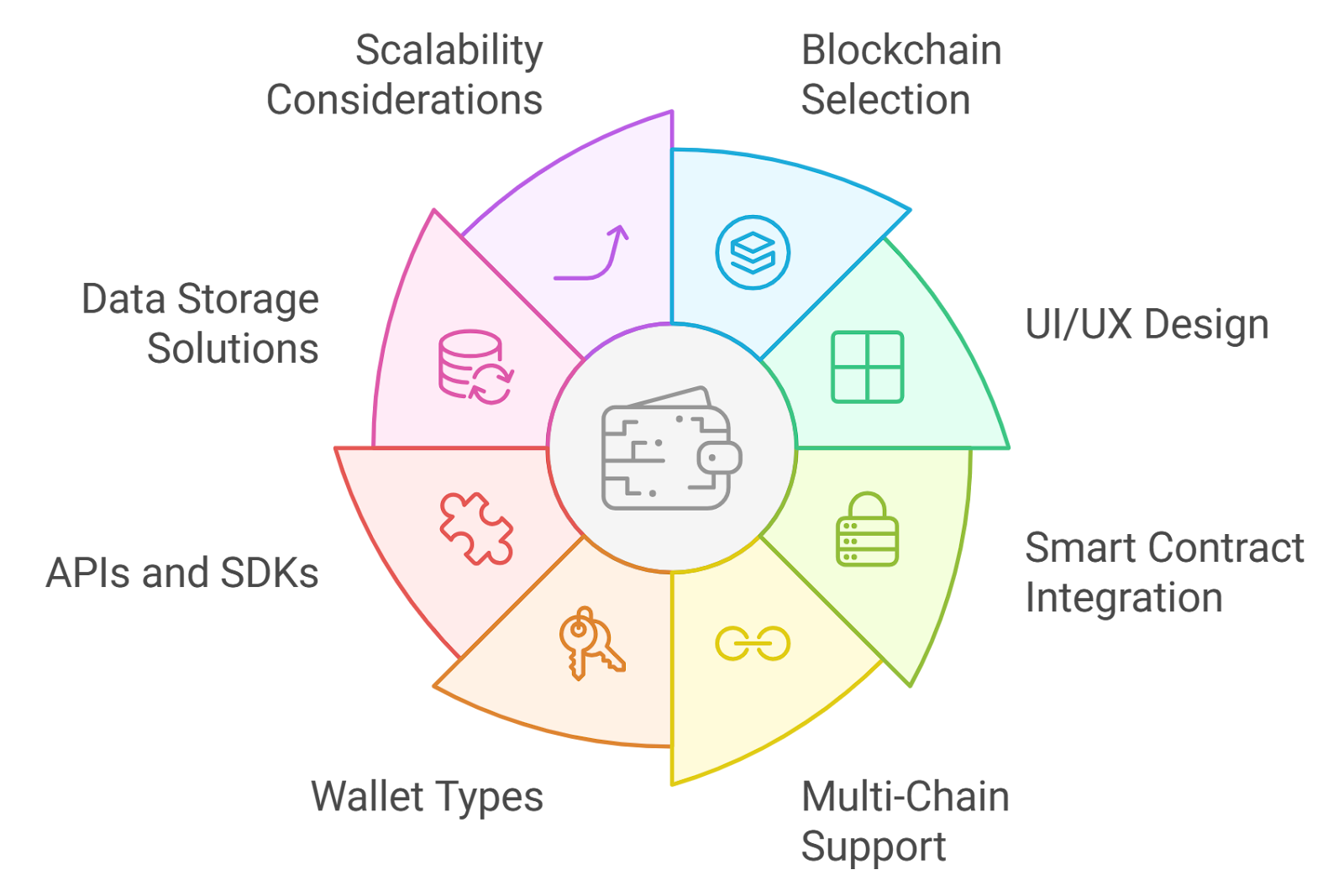
Developmentally, building such platforms demands strategic blockchain choice. Troniex Technologies notes staking's core: lock assets, earn rewards via consensus. For loyalty, add oracle feeds for off-chain merchant data, ensuring trustless verification. Brands adopting this - think Loyalty 2.0 per Raja Ravi Varman - unlock universal rewards, fostering ecosystems where users are co-owners, not mere consumers.
Core Mechanics of Staking for Interoperable Yields
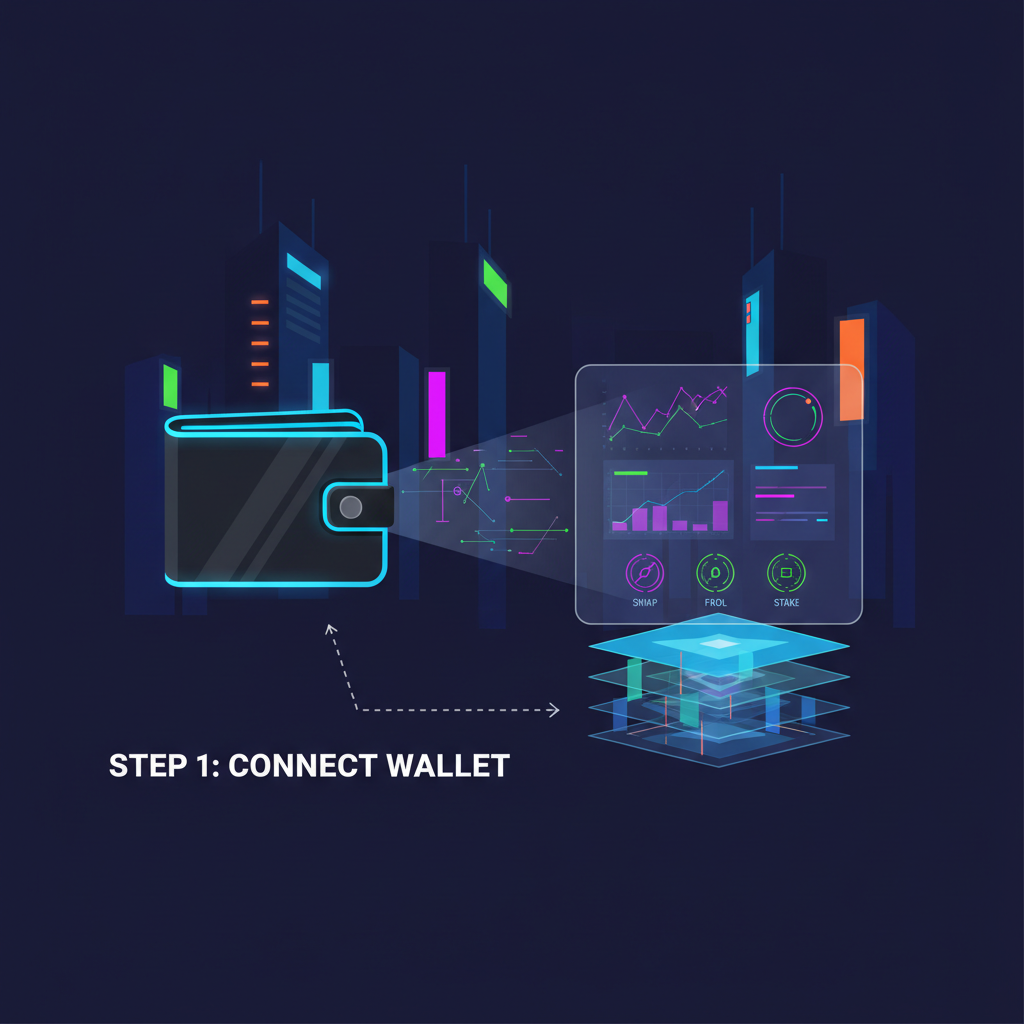
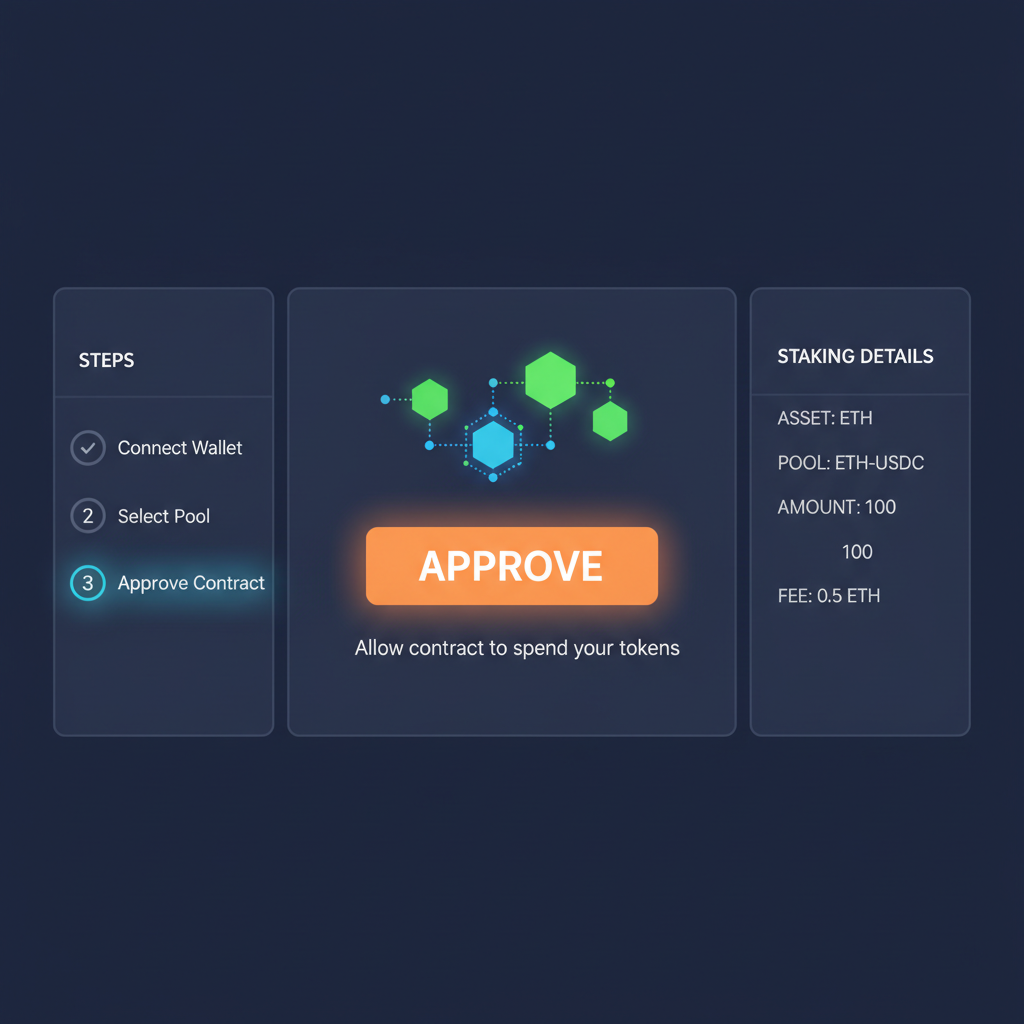
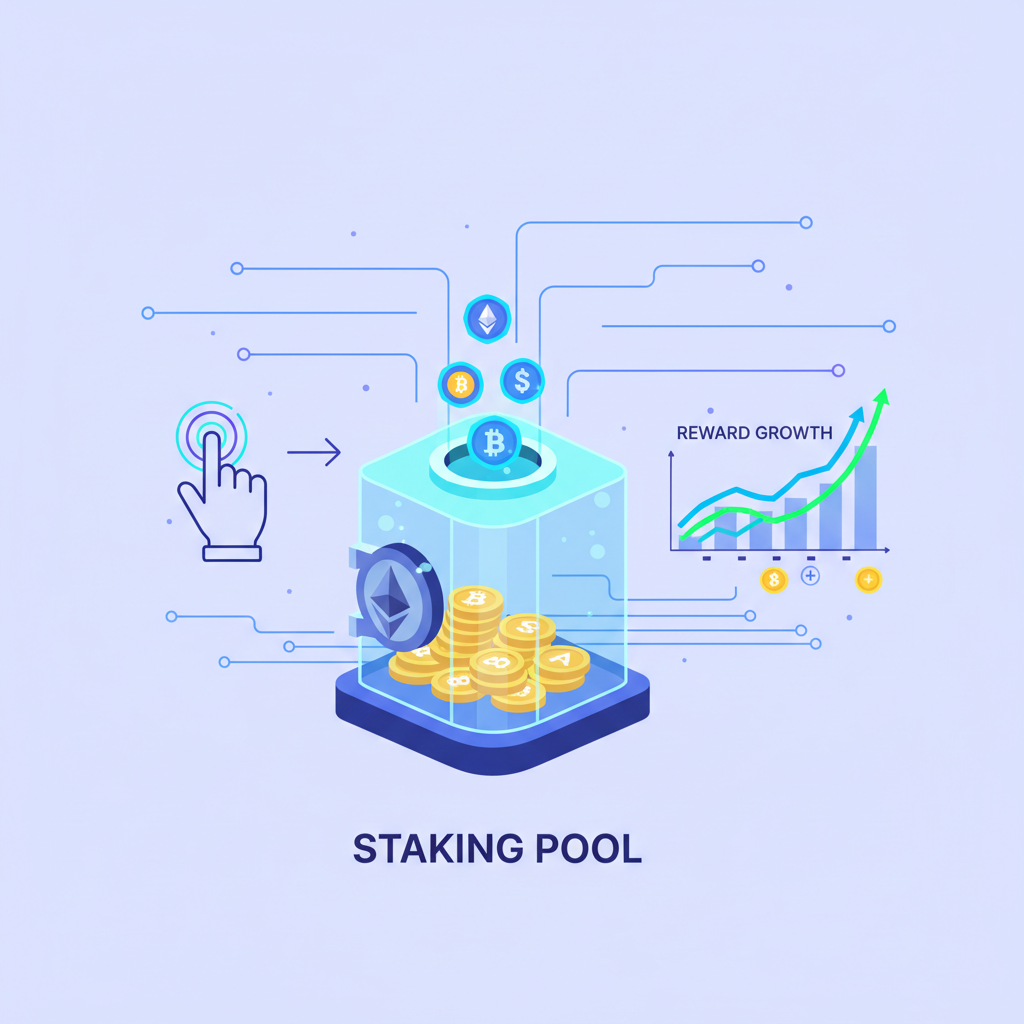
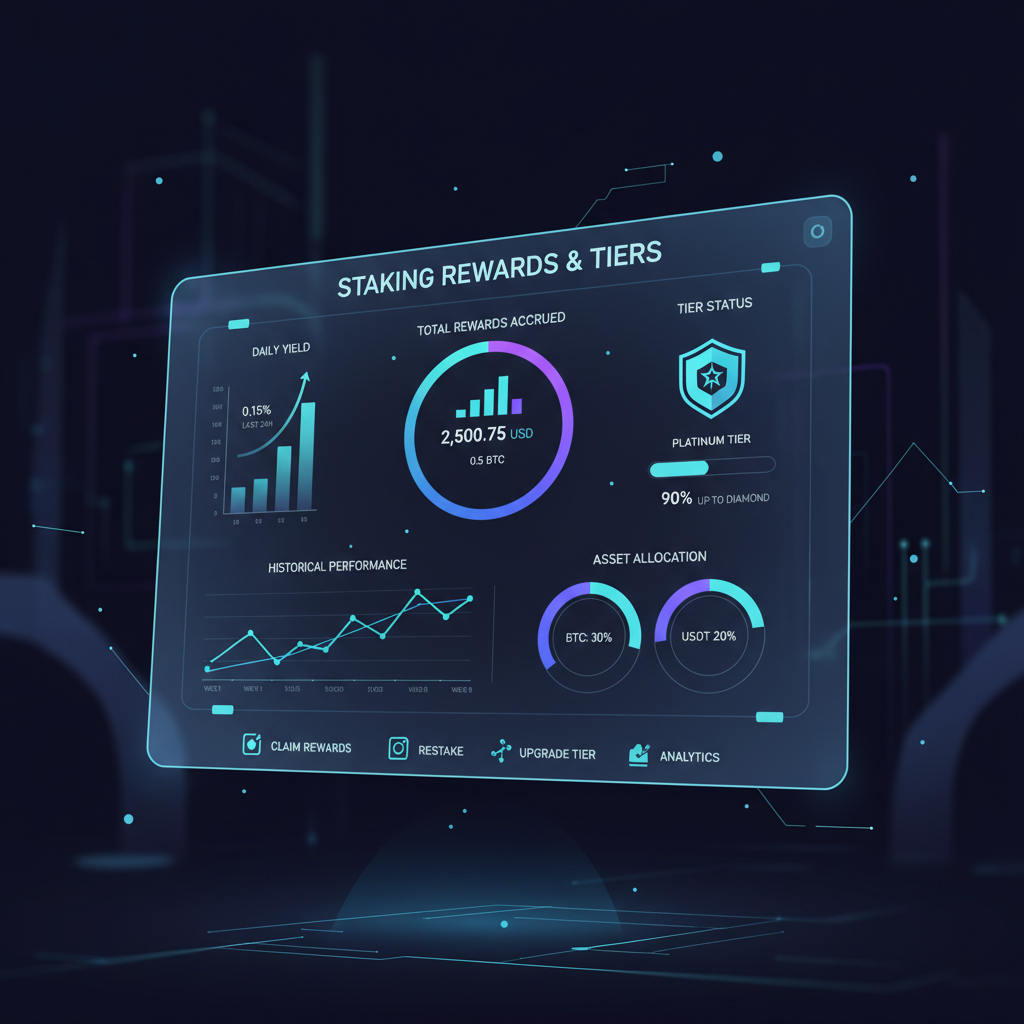
To stake effectively, grasp the flow: acquire loyalty tokens via purchases or airdrops, approve the contract, deposit, and monitor via dashboards. Rewards accrue per block, often boosted by governance votes or liquidity provision. Loyyal-like systems layer interoperability atop this, using protocols for cross-chain swaps.
Risks persist - impermanent loss in LP staking, slashing for downtime - but mitigations abound: insured pools, restaking derivatives. By 2026, widespread adoption integrates DeFi perks directly, per LinkedIn insights on blockchain platforms. Users securing high-value status via staking unlock tiered perks, blending utility with speculation.
Read more on how on-chain loyalty staking maximizes rewards for DeFi users to optimize your strategy.
Mastering these mechanics unlocks DeFi loyalty rewards that traditional programs can't match. Platforms evolve rapidly, with Loyyal Network pioneering interoperable loyalty programs 2026 standards through its merchant integrations and cross-chain capabilities.
Stake Loyalty Tokens on Loyyal: Earn Interoperable DeFi Rewards in 2026

Navigating Risks in Loyalty Token Staking
Staking loyalty tokens on blockchain isn't without hurdles. Smart contract vulnerabilities top the list; always verify audits from firms like Certik or PeckShield. Market volatility affects token values, so pair staking with hedging strategies like options on decentralized exchanges. Impermanent loss plagues liquidity pools, but single-sided staking on Loyyal-inspired protocols sidesteps this effectively.
Regulatory scrutiny looms larger in 2026, especially for institutional players. Zodia Custody forecasts staking as a compliance staple, urging KYC-integrated platforms. As a fundamentals-driven analyst, I advocate diversified staking: allocate across Layer-1s like ZetaChain for universal access and Solana for speed. This preserves capital amid black swan events, turning loyalty into a resilient portfolio pillar.
Greenville Online captures the allure: tokenized rewards offer decentralized tracking and global flexibility. Yet, execution matters. Avoid over-leveraged positions; target 8-15% APYs adjusted for inflation. Loyyal's model shines here, blending merchant utility with DeFi yields for hybrid returns.
Comparison of Top On-Chain Loyalty Staking Platforms
| Platform | APY Range | Interoperability | Merchants | Security Score |
|---|---|---|---|---|
| Loyyal Network | 10-20% | Cross-chain | 500+ | AAA |
| ZetaChain | 8-15% | Universal L1 | Growing | AA |
| Enable3 | 12-18% | NFT/DeFi | Select | A |
Future-Proofing Your Strategy with Loyyal Network DeFi Alternative
Loyyal Network positions as the premier Loyyal Network DeFi alternative, evolving loyalty into a yield-bearing asset class. Their ETHDenver victory validates this trajectory, signaling venture capital inflows and tech refinements. Expect integrations with AI-driven personalization, where staking unlocks bespoke rewards based on spending patterns.
Brands embracing Loyalty 2.0, as Raja Ravi Varman argues, cede control to users via token governance. Vote on campaigns, propose merchants, earn from network growth. This democratizes value accrual, contrasting centralized programs' opacity. For investors, it's a bet on adoption curves: widespread by 2027, per institutional mandates.
Explore how on-chain loyalty staking boosts user retention for DeFi projects for deeper tactics. Pair it with how on-chain loyalty staking maximizes rewards for DeFi enthusiasts.
Side Hustle Help highlights DeFi-NFT synergies: stake for yields, mint exclusive badges. PixelPlex's wallet programs tier rewards by stake size, incentivizing long-term holds. Patience compounds these edges; early stakers in Loyyal captured 20x uplifts from network effects.
Troniex Technologies underscores development rigor: oracles feed real-world data, ensuring points reflect actual loyalty. As markets mature, on-chain solutions supplant legacy systems, rewarding consistent participants with superior economics. Stake wisely, preserve principal, and watch interoperability forge the next DeFi frontier.




No comments yet. Be the first to share your thoughts!