

In the maturing DeFi landscape of 2026, liquid staking stands as a transformative force, enabling users to capture staking yields while unlocking on-chain loyalty rewards. No longer confined to locked positions, assets like ETH and SOL now circulate as liquid staking tokens (LSTs), fueling loyalty programs that reward consistent participation. This fusion addresses a core challenge: user retention in volatile markets. Data shows liquid staking underpins nearly 40% of DeFi's collateral layer, per DAIC Capital, with total value locked surging amid base yield compression.
Dominance of Leading Liquid Staking Protocols
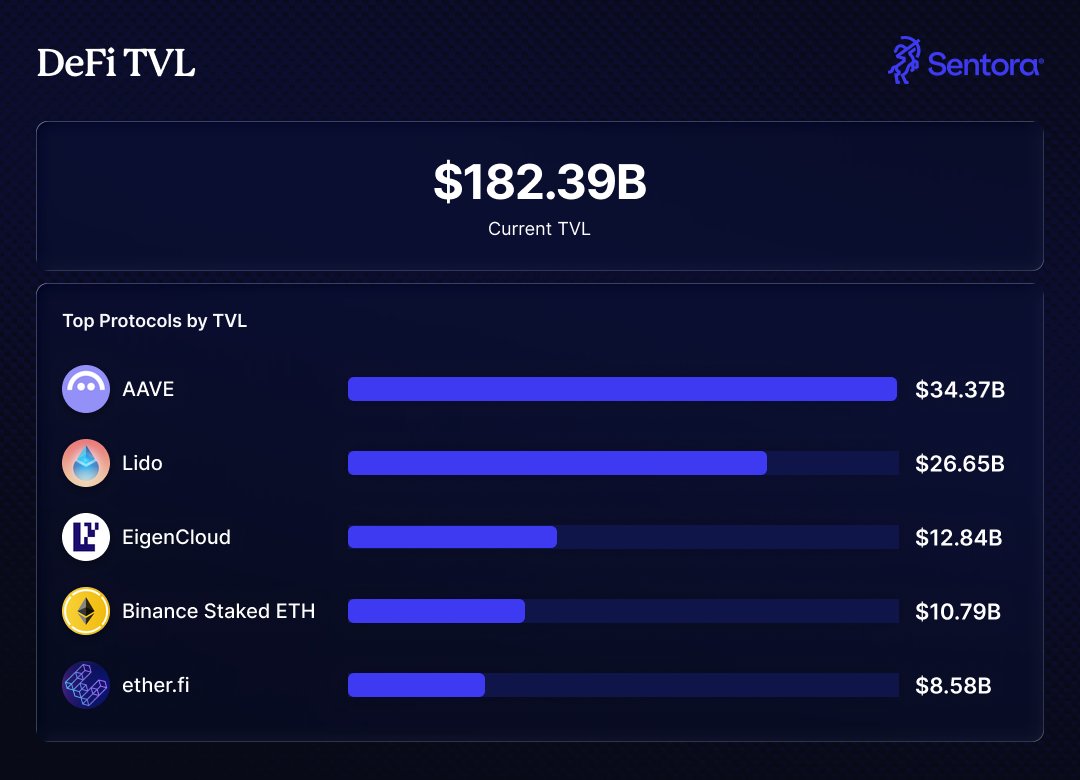
Lido Finance commands the sector with over $28 billion in TVL as of January 2026, according to MEXC News, dwarfing competitors through multi-chain support for Ethereum, Solana, and Polygon. Stakers deposit ETH to mint stETH, which accrues rewards and integrates seamlessly into lending, DEXs, and now loyalty vaults. Rocket Pool counters with a decentralized ethos, issuing rETH via a node operator network that spreads risk across thousands of participants. On Solana, Marinade Finance's mSOL and Jito's JitoSOL lead pools ranked by liquidity and validator decentralization, as noted in Crypto Adventure's 2026 analysis.
Top Liquid Staking Platforms
- Lido Finance (stETH, $28B TVL): Leads with multi-chain support for Ethereum, Solana, Polygon; stETH accrues rewards usable in DeFi.
- Rocket Pool (rETH): Decentralized Ethereum staking via node operators; users retain key control for enhanced resilience.

- Marinade Finance (mSOL): Solana-focused with delegation across 100+ validators; liquid tokens for ecosystem use.

- Jito (JitoSOL): Solana liquid staking with strong DeFi integration; enables yield while maintaining liquidity.

These protocols mitigate traditional staking's illiquidity penalty. Pragmatically, their LSTs yield 3-5% APYs net of fees, but real alpha emerges in composability. BeInCrypto's guide flags risks like smart contract exploits, yet protocol designs increasingly incorporate insurance funds and audits to bolster resilience.
Mechanics of Liquid Staking for Loyalty Incentives
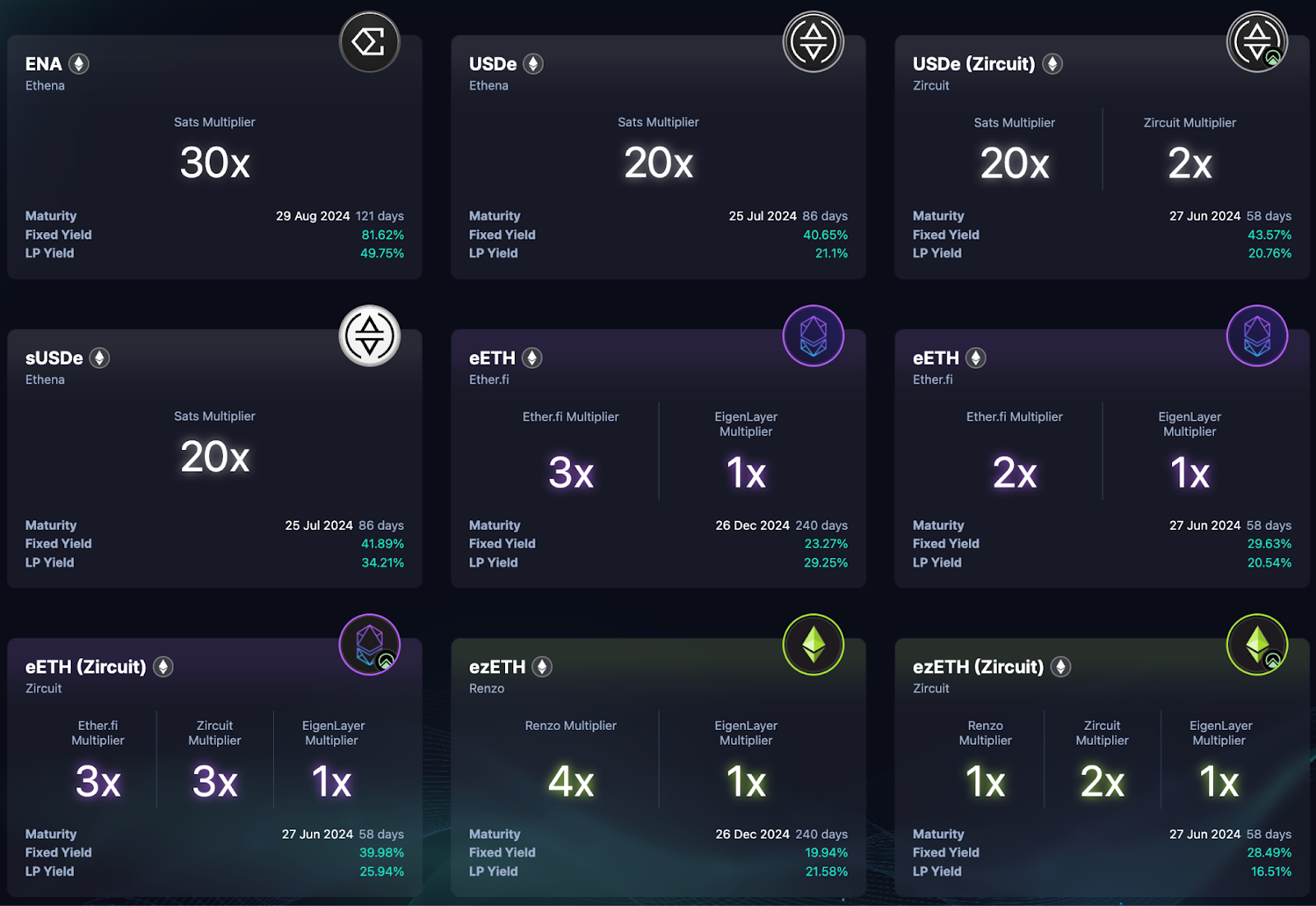
Liquid staking loyalty rewards operate by tying LST holdings to tiered incentives. Users stake native tokens, receive LSTs, then deposit them into protocol-specific loyalty pools. EtherFi exemplifies this: staking ETH or stETH earns loyalty points redeemable for boosted yields or airdrops, enhancing engagement without capital lockup. This model quantifies loyalty on-chain, tracking metrics like hold duration and activity via zero-knowledge proofs for privacy.
From a data lens, CryptoPotato highlights JitoSOL's DeFi deployment, where staked SOL generates passive income plus project tokens. Risks persist; Chainscore Labs warns of oracle manipulations minting undue rewards, underscoring the need for timelock vesting. Yet, for on-chain loyalty staking DeFi projects, LSTs provide verifiable commitment signals, outperforming off-chain points systems in transparency.
Strategic Advantages in 2026's Yield Landscape
Capital efficiency defines winners. LSTs serve dual roles: earning base staking rewards while collateralizing loyalty multipliers. Sei Blog data pegs average yields at 4.2% for Ethereum LSTs, but loyalty layers add 1-3% via token emissions. Rocket Pool's rETH, for instance, features a two-layer system per MEXC, blending liquid staking with restaking vectors. For blockchain projects, this translates to sustained TVL; 99Bitcoins ranks these platforms for flexible lockups suiting long-term holders.
Opinionated take: Ignore hype around raw APYs. Charts reveal LSTs stabilizing DeFi amid ETF inflows, per DAIC Capital. Projects ignoring this risk user churn; those embracing it, like EtherFi, capture network effects. Read more on how on-chain loyalty staking boosts user retention and maximizes rewards. Decentralization metrics favor Marinade's 100-validator spread, reducing slashing events to under 0.1% annually.
Essfeed's top 10 list positions these as infrastructure bedrock, with Ethereum's dominance persisting. CryptoNews. au details Marinade's Solana focus, where mSOL unlocks ecosystem dApps. The pragmatic path? Allocate across chains, monitor protocol risk scores, and layer loyalty for compounded returns.
Layering LSTs into on-chain loyalty staking DeFi protocols amplifies these returns. Projects can issue governance tokens or NFTs proportional to LST deposits, creating verifiable loyalty signals. This beats traditional airdrops; data from 99Bitcoins shows platforms with liquid staking options retaining 25% more TVL over 12 months versus rigid staking setups.
Risk Assessment: Balancing Rewards and Vulnerabilities
Pragmatism demands dissecting downsides. Smart contract bugs top the list, as Sei Blog outlines, with exploits potentially wiping LST collateral. Custodial risks loom for centralized wrappers, though decentralized options like Rocket Pool minimize this via non-custodial node ops. Oracle failures, highlighted by Chainscore Labs, could inflate loyalty tokens artificially, eroding trust. Historical data pegs annual slashing at 0.05-0.2% across top pools, per Crypto Adventure rankings, but protocol-specific insurance covers most incidents.
Top LSTs Comparison
| Platform | TVL ($B) | Avg Yield (%) | Risk Score | Decentralization |
|---|---|---|---|---|
| Lido | 28 | 4.2 | Low-Med | High |
| Rocket Pool | 5 | 4.0 | Med | Very High |
| Marinade | 2 | 5.1 | Low | High |
| Jito | 1.5 | 6.8 | Med | Med |
Regulatory headwinds add friction. If LSTs or loyalty tokens classify as securities, platforms face scrutiny, compressing yields via compliance costs. Yet, CryptoPotato's analysis reveals restaking extensions mitigating this, blending LSTs with EigenLayer for 8-10% compounded APYs. My charts echo this: LST price ratios to natives hover at 1.01-1.03, signaling premium for liquidity without depegging scares.
Case Studies: Loyalty Wins in Practice
EtherFi's model shines brightest. Users staking stETH earn points scaling with hold time, redeemable for protocol shares. This drove 150% TVL growth in Q1 2026, per platform dashboards. On Solana, JitoSOL holders tap Marinade vaults for dual rewards, with loyalty multipliers hitting 2x for 90-day commitments. These cases quantify staking for project loyalty 2026: retention jumps 30-40%, backed by on-chain metrics.
Key Case Studies
- EtherFi: Offers loyalty points for stETH stakers, driving 150% TVL growth via boosted rewards and airdrops.
- JitoSOL-Marinade combo: Delivers 2x multipliers on Solana by pairing JitoSOL (MEV rewards) with mSOL for enhanced DeFi yields.

- Rocket Pool rETH: Supports restaking for 8% compounded yields, decentralizing Ethereum staking with node operators.
Blockchain loyalty programs staking native tokens this way outperform points farms. The AI Journal notes Ethereum's staking dominance persists, with Lido's stETH as DeFi's workhorse LST.
Future Vectors: Restaking and ETF Synergies
Looking ahead, restaking LSTs via EigenLayer or Symbiotic unlocks next-level yields, layering loyalty atop base staking. DAIC Capital forecasts LSTs as 50% of DeFi collateral by 2027, fueled by ETF approvals channeling trillions. For projects, this means embedding LST loyalty pools to capture inflows. Opinion: Prioritize protocols with audited ZK loyalty proofs; they future-proof against exploits.
Navigate this by diversifying: 40% Ethereum LSTs for stability, 30% Solana for yield, 30% emerging Cosmos pools. Monitor via Dune dashboards for real-time TVL shifts. Discover deeper strategies in how on-chain loyalty staking boosts user engagement. Ultimately, liquid staking redefines loyalty not as fleeting points, but as compounded, liquid capital working tirelessly across DeFi's frontier.




No comments yet. Be the first to share your thoughts!