The on-chain identity landscape in 2026
On-chain identity verification links real-world identity attributes or digital reputation to a blockchain address using cryptographic proofs. By 2026, this technology is no longer a theoretical experiment; it is the standard for corporate onboarding and secure digital access. Governments and companies worldwide are adopting these systems to streamline processes while boosting security and giving users control over their data.
The core mechanism relies on Decentralized Identifiers (DIDs) and Soulbound Tokens (SBTs). Unlike traditional databases that store personal information centrally, on-chain identity uses distributed ledger technology to synchronize data across many nodes. This structure ensures there is no single point of failure or centralized control, making the identity record immutable and transparent.
For businesses and users, the shift to on-chain identity in 2026 means moving from manual document uploads to automated, cryptographic verification. This reduces fraud and speeds up access to digital assets. However, it also raises new questions about compliance and data privacy that legal frameworks are only now beginning to address.
As the infrastructure matures, the focus is shifting from basic verification to reusable identity credentials. Users can now verify their identity once and use that proof across multiple platforms without re-submitting documents. This efficiency is driving the rapid adoption of these systems in 2026, transforming how digital loyalty and access are managed.
On-chain identity 2026 choices that change the plan
Choosing a decentralized identity system in 2026 requires balancing control, cost, and compatibility. Unlike traditional web2 logins, on-chain identity solutions like Decentralized Identifiers (DIDs) and Soulbound Tokens (SBTs) introduce specific operational tradeoffs that affect both user experience and developer integration.
The primary decision involves selecting between self-sovereign identity models and enterprise-managed attestations. Self-sovereign options, such as those built on the W3C DID standard, offer maximum privacy but often require complex key management. Enterprise solutions, like Solana Attestation Service, simplify compliance but centralize credential issuance. Understanding these differences is critical for avoiding vendor lock-in or security gaps.
| Feature | Self-Sovereign DIDs | Soulbound Tokens (SBTs) | Enterprise Attestations |
|---|---|---|---|
| Control | User holds keys; full ownership | Bound to wallet; non-transferable | Issuer-managed; revocable |
| Privacy | High (zero-knowledge proofs) | Medium (public on-chain) | Low (centralized database) |
| Revocability | Irreversible (immutable) | Irreversible (immutable) | Yes (issuer can revoke) |
| Cost | Gas fees per update | Minting gas fees | Subscription/API fees |
Security remains the most significant hurdle. While blockchain technology ensures data integrity, the user experience often lags behind centralized alternatives. Smart wallets, which serve as unified on-chain identities, help mitigate this by enabling social recovery and gasless transactions. However, they require users to understand new security paradigms, such as multi-signature requirements and recovery phrases.
Compliance and regulatory alignment also vary by jurisdiction. The European Union’s eIDAS 2.0 framework sets a precedent for digital identity wallets, influencing global standards. Projects like ONCHAINID focus on enforcing compliance through blockchain-based systems, allowing organizations to verify identities without storing sensitive personal data. This approach reduces liability but requires careful legal review to ensure alignment with local regulations.
For developers, interoperability is key. Most modern identity protocols support cross-chain compatibility, but not all. Choosing a solution that integrates with existing Web2 infrastructure through API wrappers can ease adoption. Conversely, pure on-chain solutions offer greater transparency but may face higher barriers to entry for mainstream users.
The landscape is evolving rapidly, with new standards emerging regularly. Staying updated with official sources like the W3C Decentralized Identity Working Group or recent NFT.NYC infrastructure discussions helps ensure long-term viability. Prioritizing solutions that balance user control with practical usability will likely define the winners in the 2026 identity boom.
How to choose an on-chain identity solution
On-chain identity verification links real-world identity attributes or digital reputation to a blockchain address using cryptographic proofs. This approach streamlines onboarding and boosts security while giving users control over their data. To navigate this landscape, evaluate solutions against four practical criteria.
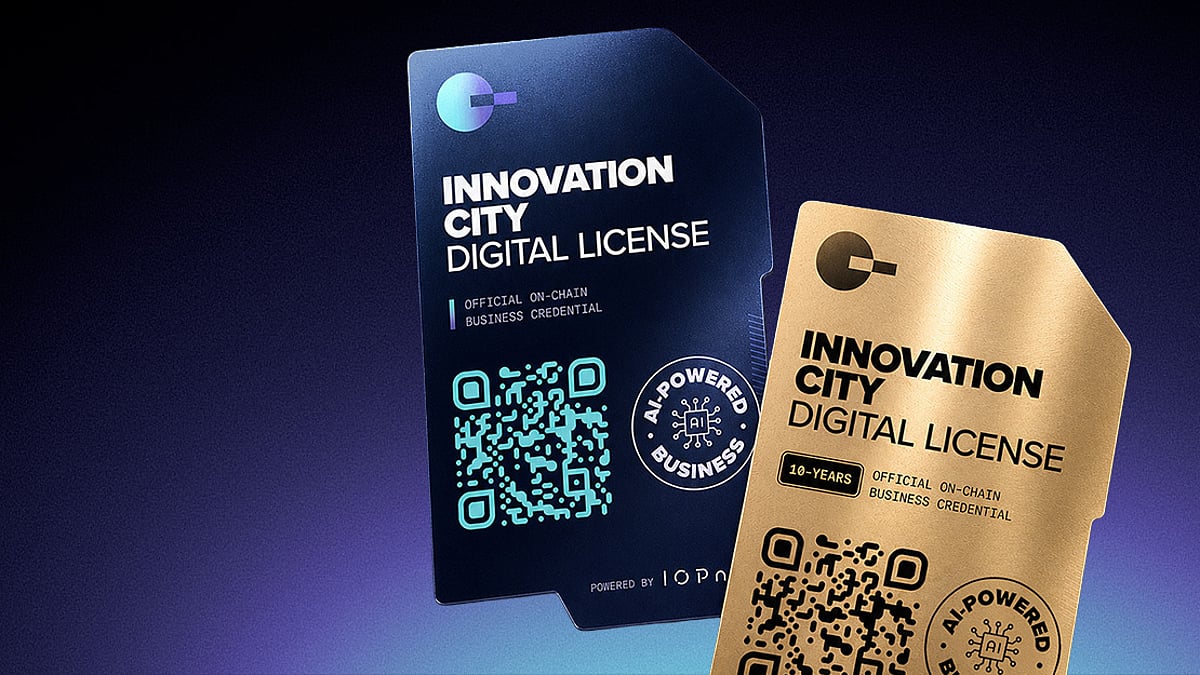
Ensure the solution supports recognized standards like W3C Verifiable Credentials. Avoid platforms that rely on proprietary, closed-loop formats that lock users into a single ecosystem.
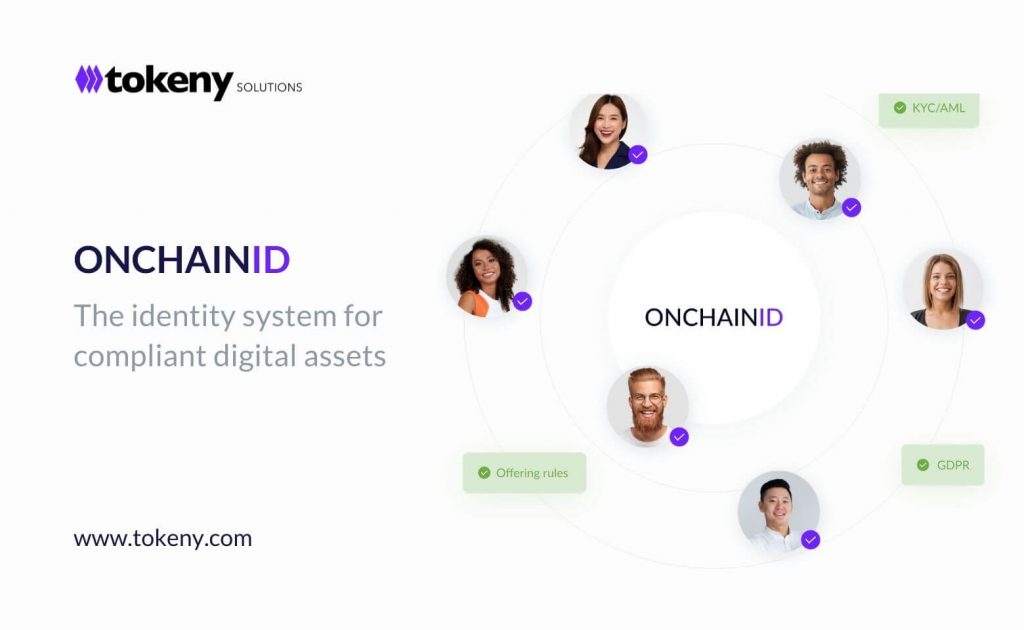
Look for zero-knowledge proof (ZKP) capabilities. These allow you to prove you are over 18 or a resident of a specific jurisdiction without revealing your actual birthdate or address on the public ledger.
The best identity tools work across multiple blockchains and dApps. If a Soulbound Token (SBT) or DID is only valid on one chain, its utility as a loyalty or reputation asset remains limited.

Blockchain identities are permanent. Ensure the provider offers a clear, secure recovery method for lost keys. Without a robust recovery plan, you risk losing access to your digital reputation permanently.
- Supports W3C Verifiable Credentials or ERC-5192 (SBTs)
- Uses Zero-Knowledge Proofs for privacy
- Works across Ethereum, Polygon, or other major chains
- Offers a social or multi-sig recovery mechanism
Spotting Weak Options and Misleading Claims
As on-chain identity systems enter the mainstream, several products make claims that don't hold up under scrutiny. The primary keyword cluster—on-chain identity verification—often masks fundamental limitations in how these systems handle compliance and data sovereignty. Buyers must distinguish between cryptographic proof and actual legal recognition.
The "No ID" Myth
Many providers advertise fully anonymous verification. This is often misleading. While decentralized identifiers (DIDs) allow for selective disclosure, most enterprise-grade onboarding still requires Know Your Customer (KYC) checks. If a product claims to bypass regulatory requirements entirely, it is likely non-compliant with major jurisdictions like the EU's MiCA or US FinCEN guidelines. Always check for explicit compliance statements from official sources.
Over-Reliance on Reputation Scores
Some platforms tie identity to "social graph" reputation scores. While useful for niche communities, these scores are volatile and subjective. They do not constitute legal identity. Relying on them for high-stakes transactions creates significant risk. A more robust approach uses verifiable credentials (VCs) that are tied to recognized authorities, not just community consensus.
Hidden Data Traps
Certain solutions store sensitive identity attributes on-chain or in easily accessible off-chain databases. This contradicts the privacy-preserving promise of zero-knowledge proofs. Verify that the architecture uses minimal data exposure. If a provider cannot clearly explain how they prevent identity linkage attacks, treat their security claims with skepticism.
On-chain identity 2026: what to check next
The shift toward decentralized identity is moving from pilot programs to regulatory requirements. With the EU mandating digital identity wallets by year-end 2026, understanding the mechanics of on-chain verification is no longer optional for enterprise deployment [src-6]. These systems use cryptographic proofs to link real-world attributes to blockchain addresses, streamlining onboarding while boosting security [src-1]. Below are answers to the most common questions about how this infrastructure works in practice.
No comments yet. Be the first to share your thoughts!