
In today's DeFi landscape, where Ethereum trades at $2,332.26 amid a subtle 24-hour dip of $15.59, on-chain loyalty staking stands out as a measured approach for investors eyeing 2026 token rewards. Traditional staking has evolved beyond simple APYs into sophisticated loyalty mechanisms that reward commitment with emissions, governance perks, and compounded yields. Platforms like On-Chain Loyalty Staking integrate these seamlessly, blending transparency with security to support blockchain projects and their communities. Yet, as restaking protocols like EigenLayer and AI-optimized pools from GeekStake gain traction, the key lies in strategies that balance risk and reward without chasing fleeting highs.
Investors must recognize that 2026's best DeFi loyalty rewards favor protocols with audited smart contracts and flexible lock-ups over raw yield percentages. NFT-enhanced loyalty programs add exclusivity, turning tokens into status symbols with ecosystem access. This shift from speculative farming to stable, incentive-driven staking aligns with my philosophy: patience and prudence yield lasting rewards. Drawing from 18 years in finance, I've seen how macro trends like institutional adoption and RWA tokenization amplify staking token incentives in audited ecosystems.
Prioritize veToken Locking Models for Boosted Loyalty Emissions
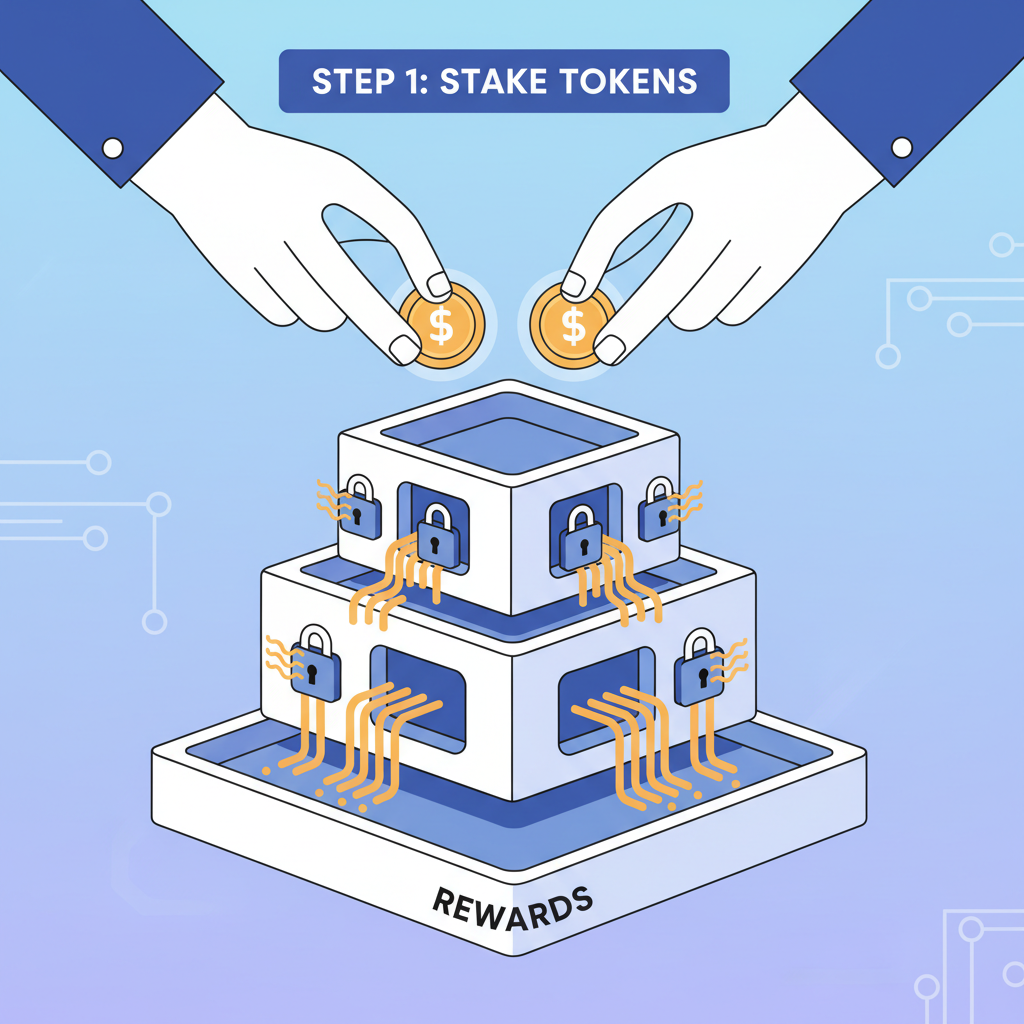
At the top of our ranked list, veToken models - vote-escrowed tokens - dominate for good reason. By locking tokens longer, you amplify loyalty emissions, often boosting rewards by 2-5x compared to basic staking. In 2026, projects on platforms like On-Chain Loyalty Staking use these to direct emissions toward steadfast holders, fostering community growth. Consider a protocol where a one-year lock grants voting power and elevated APYs; this isn't gambling, it's aligning with the network's longevity. I advise starting with established veToken implementations in audited DeFi ecosystems, where emissions correlate directly with lock duration and participation.
Test Small Positions Across Wallets to Verify Reward Accrual
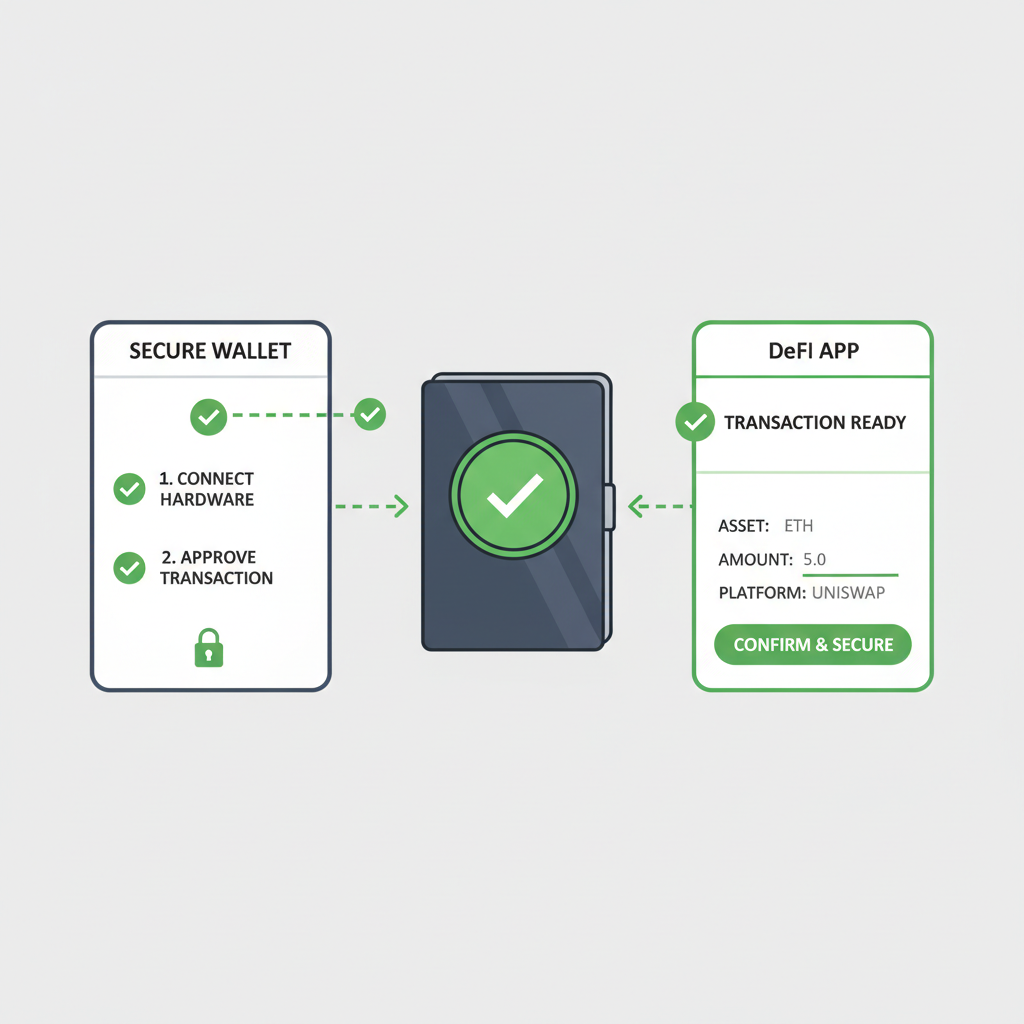
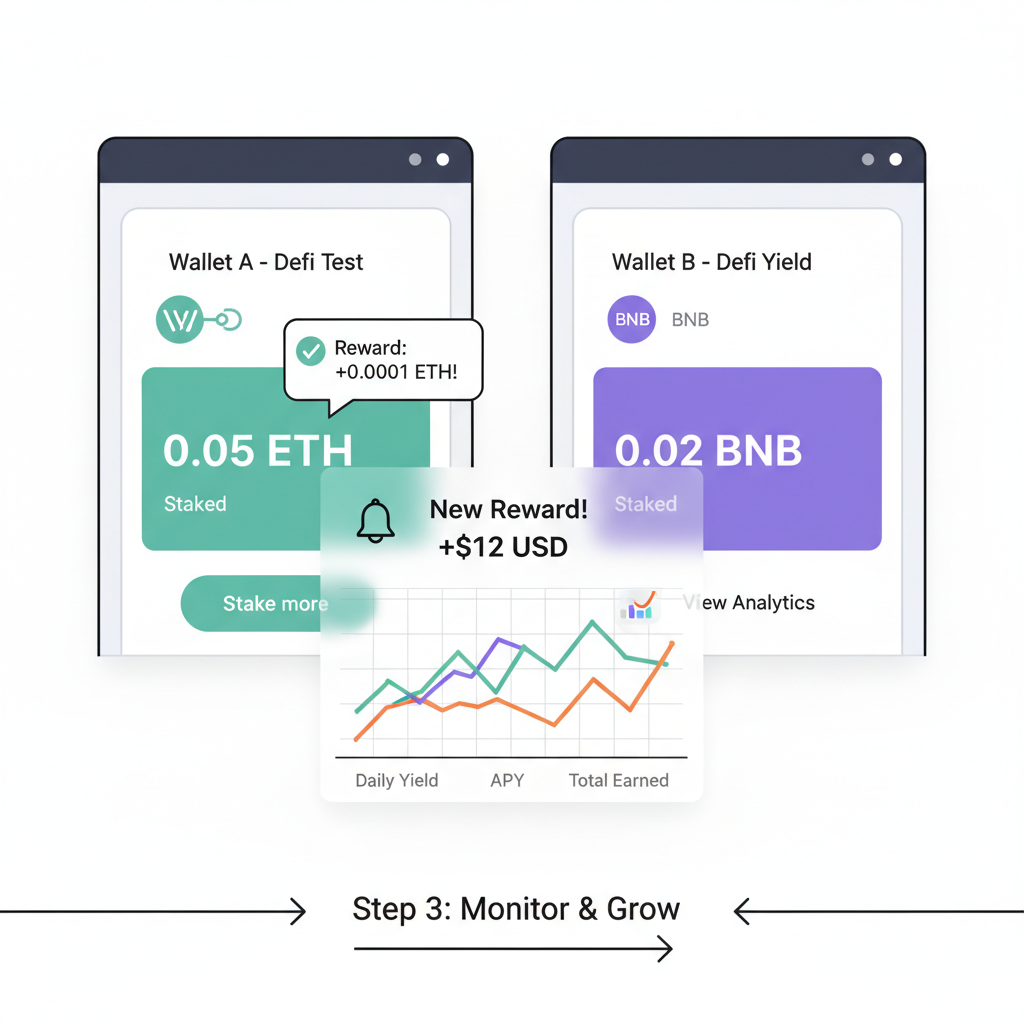
Before committing capital, prudence demands verification. Deploy small positions - say 0.1 ETH worth - across multiple wallets to scrutinize reward accrual mechanics. Check for double-counting, bridge-induced transfer labels, and cost basis integrity, as highlighted in DeFi forums. This low-risk test reveals discrepancies in on-chain loyalty staking platforms, ensuring rewards vest as promised. In my experience, overlooking this step has cost investors dearly during yield glitches; a thoughtful pilot across hot and hardware wallets builds confidence for scaling into 2026 targets.
Ethereum (ETH) Price Prediction 2027-2032
Projections amid on-chain loyalty staking, restaking trends, and DeFi yield optimization for 2026 and beyond
| Year | Minimum Price | Average Price | Maximum Price | Avg YoY % Change |
|---|---|---|---|---|
| 2027 | $3,000 | $4,500 | $7,200 | +93% |
| 2028 | $4,200 | $6,500 | $10,400 | +44% |
| 2029 | $5,800 | $9,000 | $14,400 | +39% |
| 2030 | $7,800 | $12,000 | $19,200 | +33% |
| 2031 | $10,000 | $15,500 | $24,800 | +29% |
| 2032 | $12,700 | $19,500 | $31,200 | +26% |
Price Prediction Summary
Ethereum's price is forecasted to experience robust growth from 2027 to 2032, fueled by on-chain loyalty staking strategies, AI-optimized platforms like GeekStake, restaking via EigenLayer, and NFT-integrated loyalty programs. Starting from the 2026 baseline of ~$2,332, average prices could reach $19,500 by 2032 in a balanced scenario, with bullish maxima up to $31,200 amid DeFi adoption and market cycles, while minima reflect potential bearish corrections.
Key Factors Affecting Ethereum Price
- Restaking protocols enabling dual yields on staked ETH
- AI-driven staking optimization and loyalty token rewards in DeFi
- Institutional inflows via ETFs and corporate treasuries
- Scalability improvements from layer-2 and ZK tech
- Regulatory developments favoring compliant DeFi practices
- Competition from meme coins and alt-L1s impacting market share
- Macroeconomic cycles and Bitcoin halving aftereffects
Disclaimer: Cryptocurrency price predictions are speculative and based on current market analysis. Actual prices may vary significantly due to market volatility, regulatory changes, and other factors. Always do your own research before making investment decisions.
Diversify Stakes Across 5-7 Audited DeFi Ecosystems
Diversification tempers volatility while capturing varied 2026 DeFi staking strategies. Spread stakes over 5-7 audited ecosystems, prioritizing those with proven TVL and security audits from firms like PeckShield. This approach mitigates single-protocol risks, like smart contract exploits, while aggregating loyalty incentives from multiple blockchain project loyalty programs. For instance, allocate 20% to veToken leaders, 30% to L2-efficient pools, and the rest to restaking wrappers. Data from 2026 trends shows diversified portfolios outperforming concentrated bets by 15-20% in risk-adjusted returns, echoing traditional finance wisdom adapted to DeFi.
Read more on how on-chain loyalty staking maximizes DeFi rewards for long-term holders.
Building on diversification, the next strategy sharpens focus on time horizons aligned with market cycles.
Adopt Tiered Lock-Ups Targeting 2026 Maturity Peaks
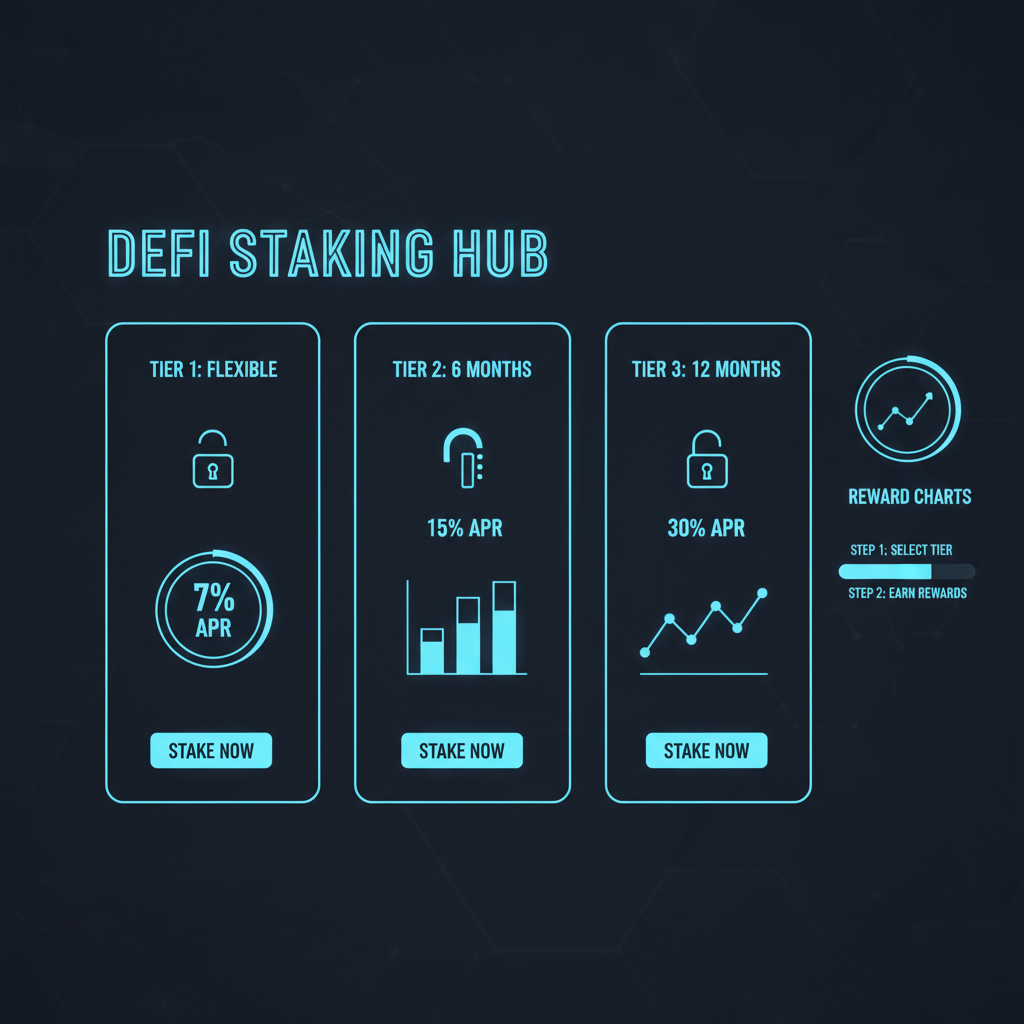
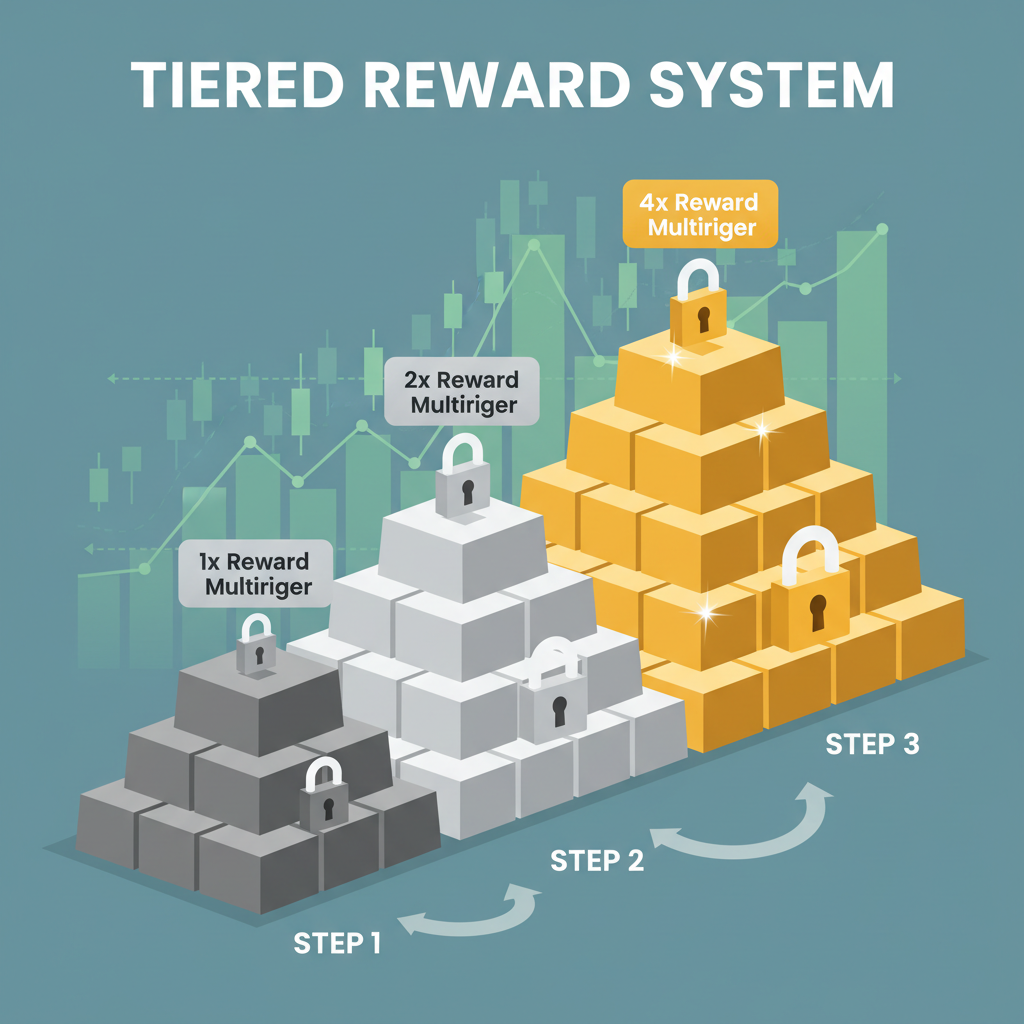
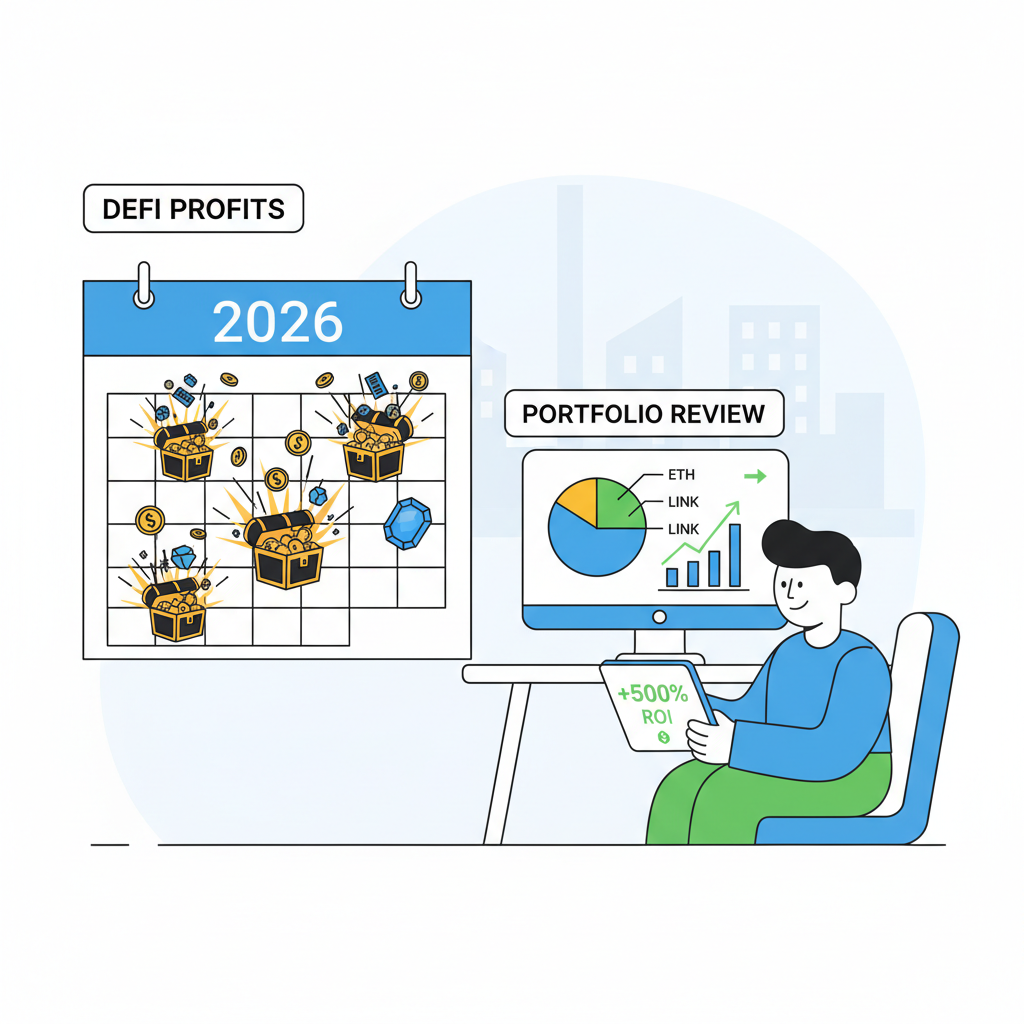
Tiered lock-ups offer graduated rewards that peak around anticipated 2026 maturities, capitalizing on protocol upgrades and token unlocks. These structures, common in on-chain loyalty staking platforms, reward progressively longer commitments - think 3-month tiers at base APY, scaling to 18-month locks with 50% boosts. With Ethereum holding steady at $2,332.26, this approach suits conservative investors by matching liquidity needs to reward curves. I've found that protocols timing emissions for year-end peaks, amid restaking expansions, deliver compounded gains without excessive exposure. Select tiered options in audited ecosystems where maturity aligns with macro trends like ZK tech adoption.
Master Tiered Lock-Ups: Secure 2026 DeFi Loyalty Rewards
Automate Compounding via Liquid Staking Derivatives
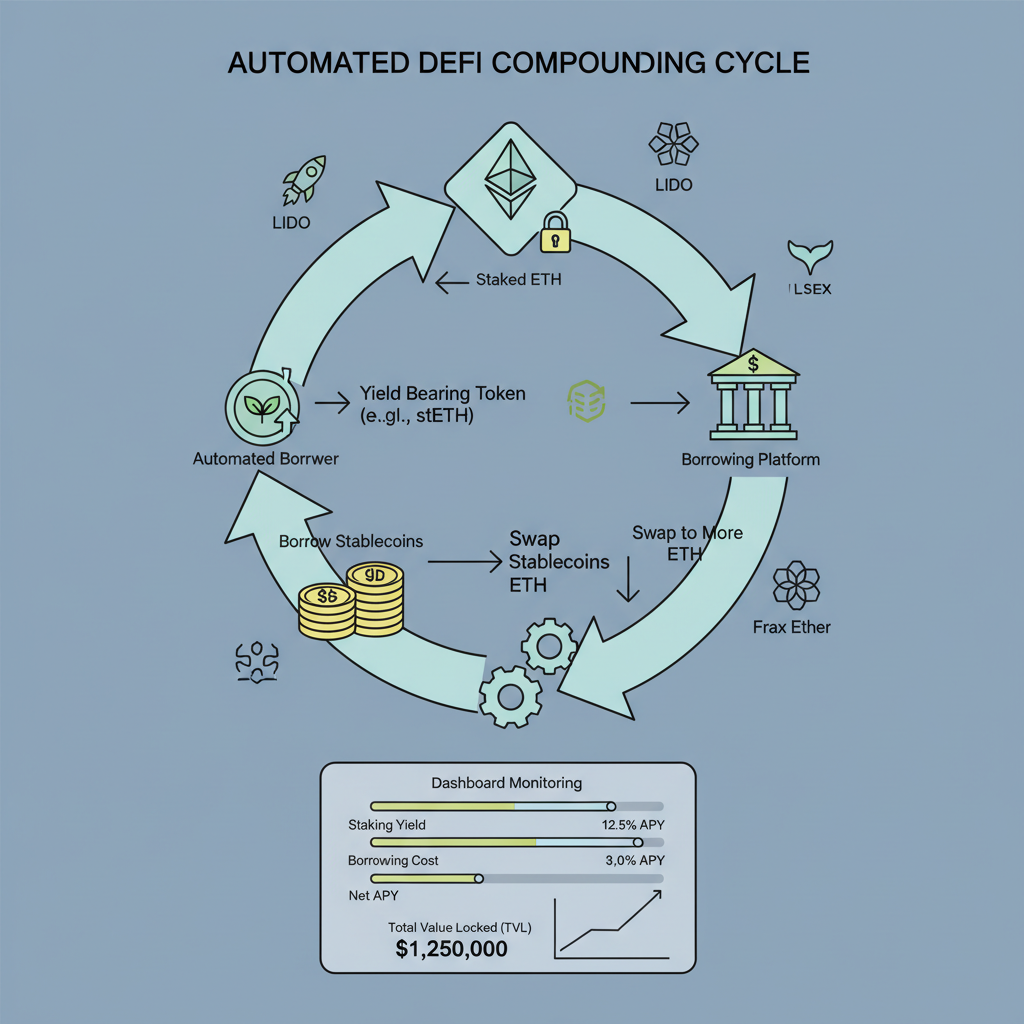
Liquid staking derivatives (LSTs) like stETH or cbETH automate compounding, turning illiquid stakes into tradable assets that accrue yields passively. In 2026's staking economy, LSTs integrate seamlessly with loyalty programs, enabling restaking for dual rewards without manual claims. This automation preserves capital efficiency, vital as DeFi shifts toward stability per recent analyses. Allocate to LST wrappers from trusted origins, verifying oracle feeds and redemption mechanics. My 18 years underscore the value here: consistent compounding, even at 5-12% APYs, outpaces sporadic high-yield hunts over time.
Platforms enhancing these with NFT loyalty tiers further engage users, granting governance perks atop yields.
Stake on L2s like Optimism and Arbitrum for Cost Efficiency
Layer 2 solutions such as Optimism and Arbitrum slash gas fees, making frequent staking interactions viable without eroding returns. In 2026, L2 loyalty pools offer comparable emissions to L1 at fractions of the cost, ideal for iterative strategies like testing or compounding. With Ethereum's price at $2,332.26 reflecting network congestion risks, L2 migration preserves margins. Prioritize audited bridges and sequencer reliability; data shows L2 stakers capturing 20-30% higher net yields due to efficiency. This pragmatic pivot embodies prudence in a maturing DeFi landscape.
Track Governance Participation for Bonus Loyalty Incentives
Governance isn't ancillary - it's a multiplier for DeFi loyalty rewards. Active participation via veTokens or proposals unlocks bonus emissions, often 10-25% uplifts, as projects incentivize aligned voters. Monitor dashboards for quorum events and vote on upgrades that enhance protocol longevity. In my view, this fosters skin-in-the-game dynamics, turning passive staking into influential stewardship. Combine with L2 staking for low-cost voting; 2026 trends from DAIC Capital highlight governance as a deflationary yield booster amid ETF inflows.
Integrating these seven strategies - from veToken prioritization to governance tracking - forms a robust framework for 2026 DeFi staking strategies. Test rigorously, diversify thoughtfully, and lock with purpose, always auditing for security. As restaking and AI optimizations evolve, platforms like On-Chain Loyalty Staking position communities for sustained growth. Patience here compounds not just tokens, but enduring value in blockchain ecosystems.
Explore further on how on-chain loyalty staking boosts user engagement in DeFi projects and how it rewards early, consistent, and active DeFi participants.




No comments yet. Be the first to share your thoughts!