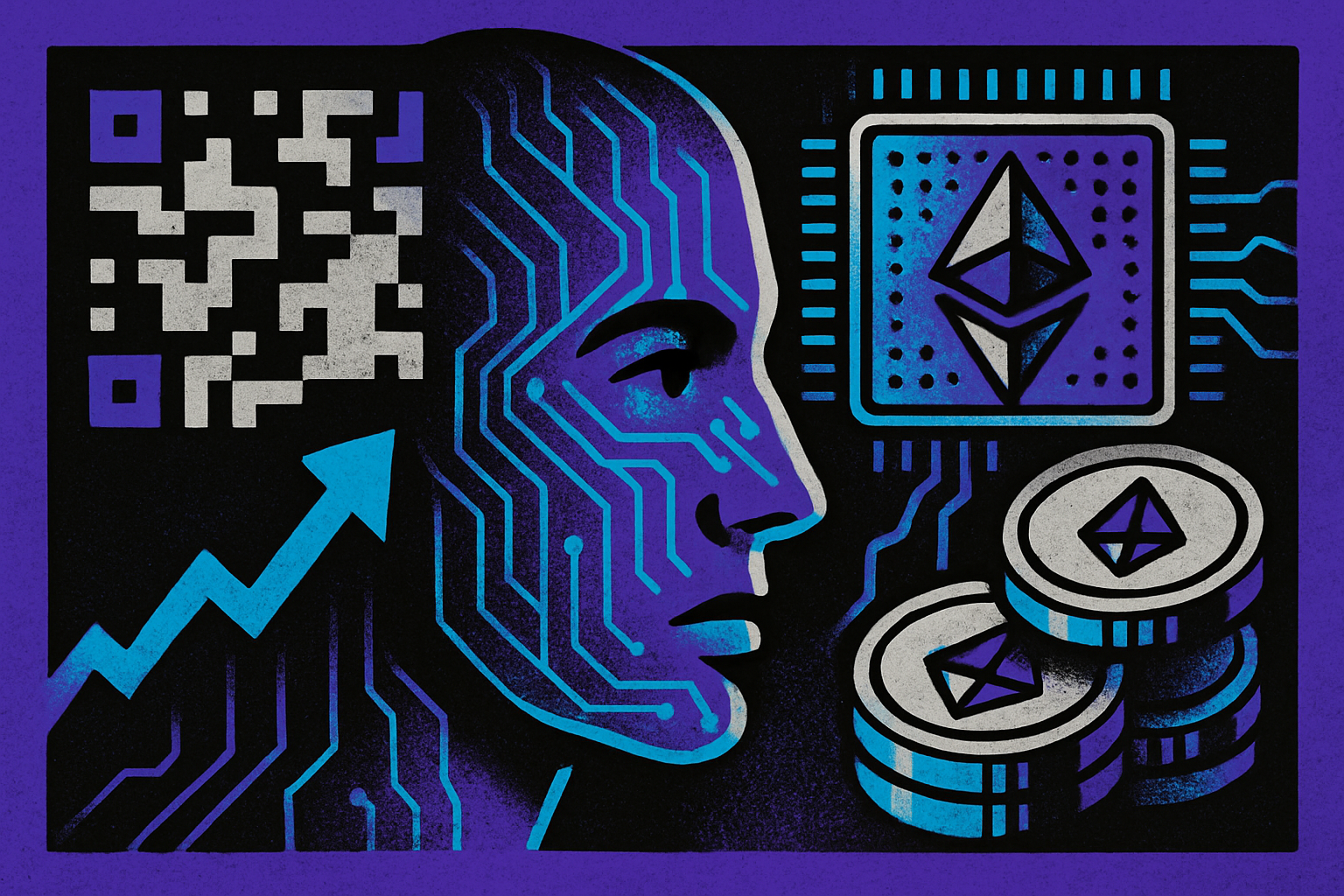
As DeFi matures in 2025, the search for sustainable yield and meaningful engagement has led long-term crypto holders to explore new strategies beyond traditional staking. On-chain loyalty staking is emerging as a powerful mechanism that not only maximizes DeFi rewards for committed participants but also aligns incentives between users and blockchain projects. This article explores how loyalty-driven staking models are reshaping the landscape for those willing to lock in their assets for the long haul.
How On-Chain Loyalty Staking Works: Beyond Traditional Staking Models
In conventional staking, users lock up tokens to secure networks and earn rewards, typically distributed at fixed rates per epoch. However, the competitive DeFi environment of 2025 has seen a shift toward staking mechanisms that reward duration and consistency. On-chain loyalty staking introduces a time-weighted dimension: the longer your assets remain staked, the higher your yield multiplier becomes.
This approach is exemplified by protocols like UnitedStaking, which implement tiered rewards based on commitment length. For instance, a user locking tokens for two years might receive a significantly higher APY than one committing for just a month. This structure not only deters opportunistic exits during volatile periods but also incentivizes holders to become active participants in network governance and growth.
The Benefits: Why Long-Term Holders Gain More
1. Yield Amplification: By introducing multipliers tied to staking duration, platforms create an environment where patient capital is rewarded disproportionately compared to short-term speculation. In 2025, leading DeFi coins like ETH, DOT, and ADA offer base APYs ranging from 3% to 5%, but loyalty programs can push effective yields much higher for those willing to commit their assets over extended periods.
2. Enhanced Governance Power: Loyalty stakers often receive boosted voting rights or exclusive access to protocol proposals. This means long-term holders are not just passive recipients of yield; they actively shape fee structures, upgrades, and incentive models, directly influencing project trajectories.
3. Network Resilience: Sustained participation from loyal stakers contributes directly to network decentralization and security. By reducing token turnover and discouraging speculative dumping during market swings, these mechanisms foster healthier ecosystems, benefiting both individual investors and projects alike.
Loyalty Staking Mechanisms: Time-Locks, Liquid Staking and More
The technical backbone of on-chain loyalty programs lies in innovative smart contract designs:
- Time-Locked Staking: Users select lock-up periods (e. g. , six months, one year). The longer the lock-in, the greater the reward multiplier, creating clear incentives for patience over rapid exit strategies.
- Liquid Staking Tokens (LSTs): To address liquidity concerns, a key risk with long lock-ups, platforms like Lido Finance issue tradable tokens representing staked positions. These LSTs can be used across DeFi while still accruing base rewards from underlying protocols.
- Tiered Reward Structures: Some platforms integrate bonus pools or special NFT drops as additional perks for consistent stakers or those who reach certain milestones within their program.
This multi-faceted approach allows users to tailor their participation according to risk tolerance while maximizing potential upside, a crucial consideration as more investors seek both yield optimization and flexibility in volatile markets.
Navigating Risks: What Long-Term Crypto Holders Should Know
No strategy is without its trade-offs. While on-chain loyalty staking offers compelling upsides, participants must remain vigilant about potential downsides:
- Liquidity Constraints: Extended lock-up periods mean funds may be inaccessible during sudden market downturns or opportunities elsewhere in DeFi.
- Smart Contract Risk: Even leading protocols are not immune to bugs or exploits; thorough due diligence remains essential before committing significant capital.
The most successful long-term stakers balance these risks with disciplined research and portfolio management, leveraging transparency tools provided by reputable platforms to monitor performance and security status continuously.
For those seeking to maximize DeFi rewards for long-term crypto holdings, the current landscape offers a diverse array of protocols and strategies. As loyalty staking gains traction, savvy investors are increasingly comparing not just APYs but also the flexibility, governance rights, and community incentives provided by each platform. This holistic approach ensures that yield optimization does not come at the expense of liquidity or security.
Choosing the Right Loyalty Staking Platform
Selection criteria for on-chain loyalty staking platforms in 2025 extend well beyond headline returns. Experienced participants evaluate:
- Platform Security: Look for robust audits, transparent bug bounty programs, and a history of rapid vulnerability response.
- Reward Consistency: Assess whether reward multipliers are sustainable or subject to abrupt changes based on protocol treasury health or governance votes.
- User Experience: Platforms that offer clear dashboards, educational resources, and seamless integration with wallets like MetaMask or Ledger stand out in a crowded field.
- Community Engagement: Some protocols provide additional perks such as access to exclusive governance forums or special NFT drops for loyal stakers, an emerging trend driving user retention and project advocacy.
The rise of liquid staking tokens (LSTs) further empowers users to navigate these choices without sacrificing flexibility. By holding LSTs, investors can access new DeFi opportunities, such as lending or yield farming, while their original assets remain productively staked on-chain. This dual exposure is fast becoming a cornerstone strategy for sophisticated DeFi participants.
Future Outlook: What’s Next for Loyalty Staking?
The evolution of crypto loyalty incentives in 2025 points toward even greater personalization and cross-protocol collaboration. We’re seeing early signs of interoperable loyalty programs where stakers can earn rewards across multiple blockchains or transfer their status between projects, unlocking new dimensions of user engagement and capital efficiency. As regulatory clarity improves and institutional adoption increases, expect more mainstream financial products to integrate time-weighted staking models as a means to attract committed capital.
The next wave may also include dynamic reward curves that adjust in real-time based on network needs or market conditions, a move that could further align user incentives with protocol health. For long-term holders willing to lock in their assets and actively participate in governance, these innovations will likely translate into both superior returns and deeper involvement in shaping the future of decentralized finance.
Loyalty staking is not just about chasing higher yields, it’s about building resilient portfolios that thrive across cycles while supporting the growth of trusted blockchain ecosystems. As always, prudent research and an active approach to risk management remain paramount. For those ready to embrace this next frontier in DeFi yield optimization, on-chain loyalty staking offers an unprecedented blend of reward potential and community impact.
Top Tips to Maximize Returns with On-Chain Loyalty Staking
- Choose High-Reward Staking Coins: Focus on established cryptocurrencies offering competitive staking rewards in 2025, such as Ethereum (ETH), Polkadot (DOT), Cardano (ADA), and BNB. These coins are recognized for robust networks and consistent APY, making them ideal for long-term loyalty staking.
- Leverage Time-Weighted Staking Protocols: Select platforms like UnitedStaking or protocols that reward longer lock-up periods with higher yield multipliers. The longer you stake, the greater your potential returns, thanks to tiered loyalty incentives.
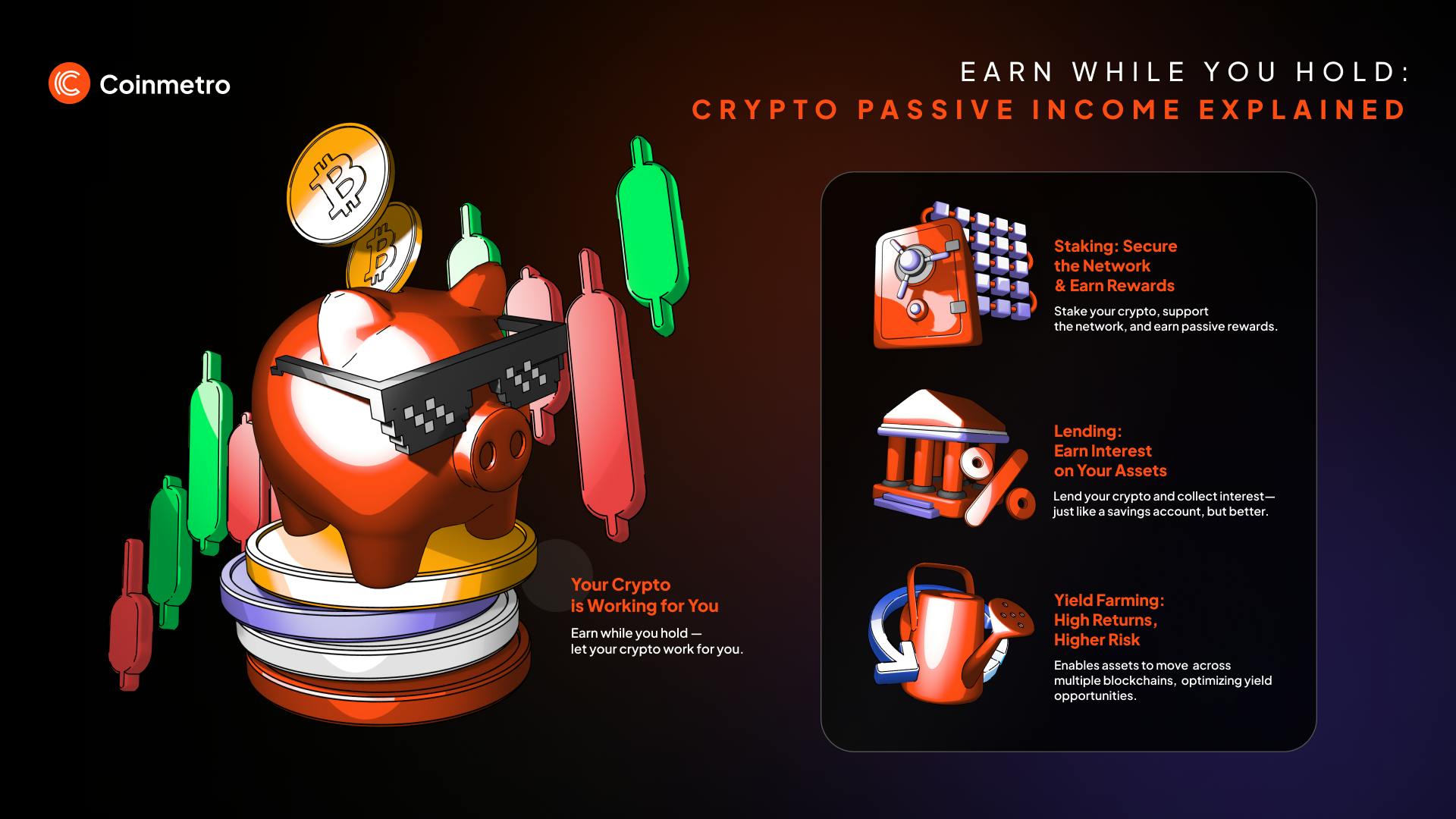
- Utilize Liquid Staking Solutions: Use platforms such as Lido Finance or Rocket Pool to receive liquid staking tokens (LSTs). These tokens let you maintain liquidity and participate in DeFi activities while still earning staking rewards.
- Participate in Governance for Extra Rewards: Stake governance tokens to gain voting power in protocol decisions on networks like Ethereum and Polkadot. Active participation can unlock additional rewards and influence platform development.
- Monitor and Compare Staking Platforms: Regularly review top staking platforms (e.g., Kraken, Binance, Coinbase) for the best APY rates, payout terms, and security features. This ensures you’re maximizing returns while minimizing risk.
- Understand and Manage Liquidity Risks: Be aware that long-term staking can limit access to your funds during volatile markets. Consider platforms offering flexible unbonding or liquid staking options to balance returns and liquidity.
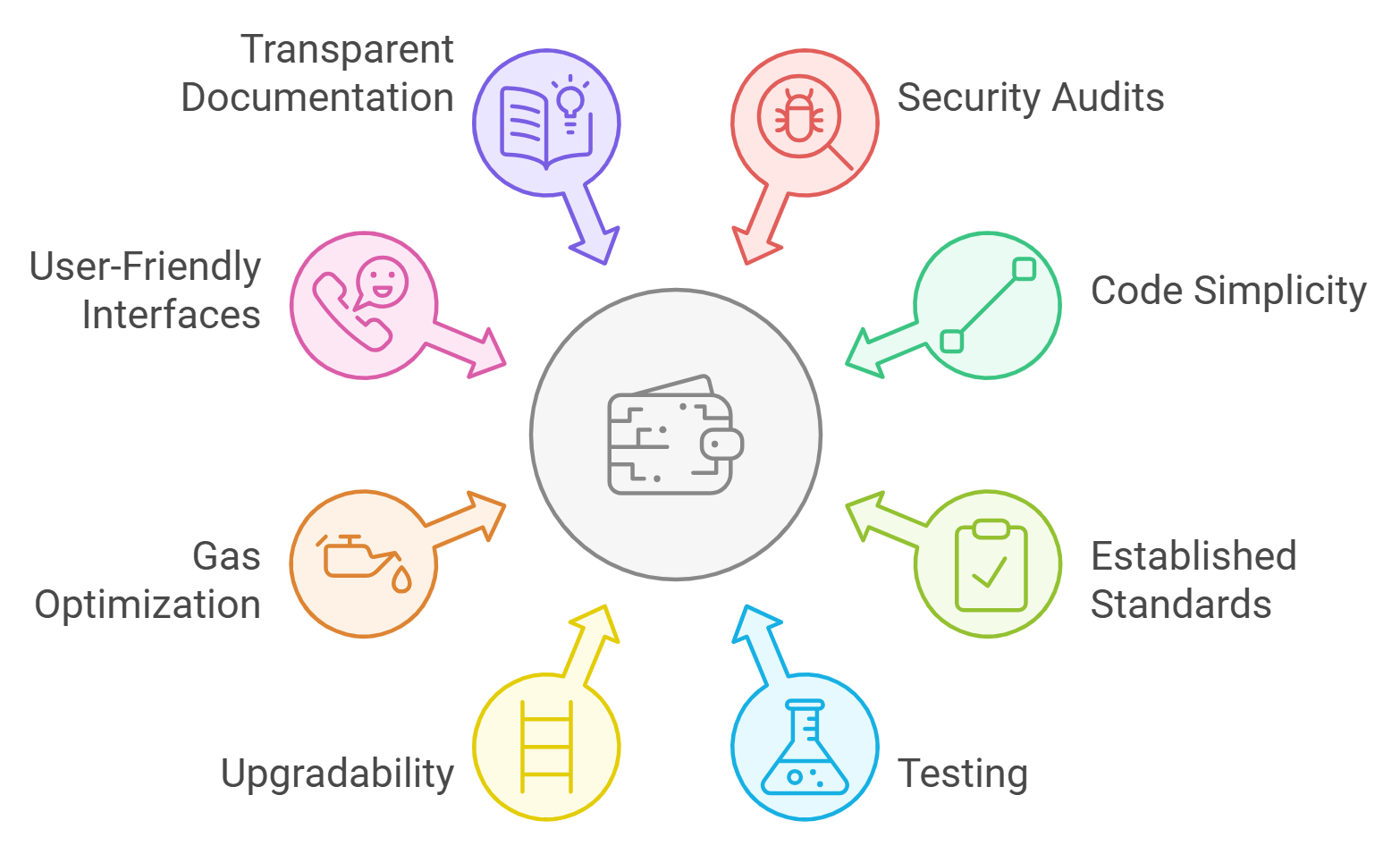
- Stay Informed on Smart Contract Security: Only stake through audited and reputable protocols to reduce exposure to smart contract vulnerabilities. Look for platforms with transparent security practices and regular third-party audits.



No comments yet. Be the first to share your thoughts!