
In 2025, on-chain referral programs have become a linchpin for user acquisition and engagement within the DeFi loyalty staking ecosystem. With competition intensifying across decentralized finance platforms, projects are leveraging blockchain-native referral mechanisms to incentivize organic growth, build trust, and maximize long-term user retention. Unlike traditional affiliate models that rely on off-chain tracking and delayed rewards, on-chain systems deliver instant, transparent incentives directly to users’ wallets, fueling both rapid adoption and sustainable community development.
How On-Chain Referral Programs Work: Automation and Trust at Scale
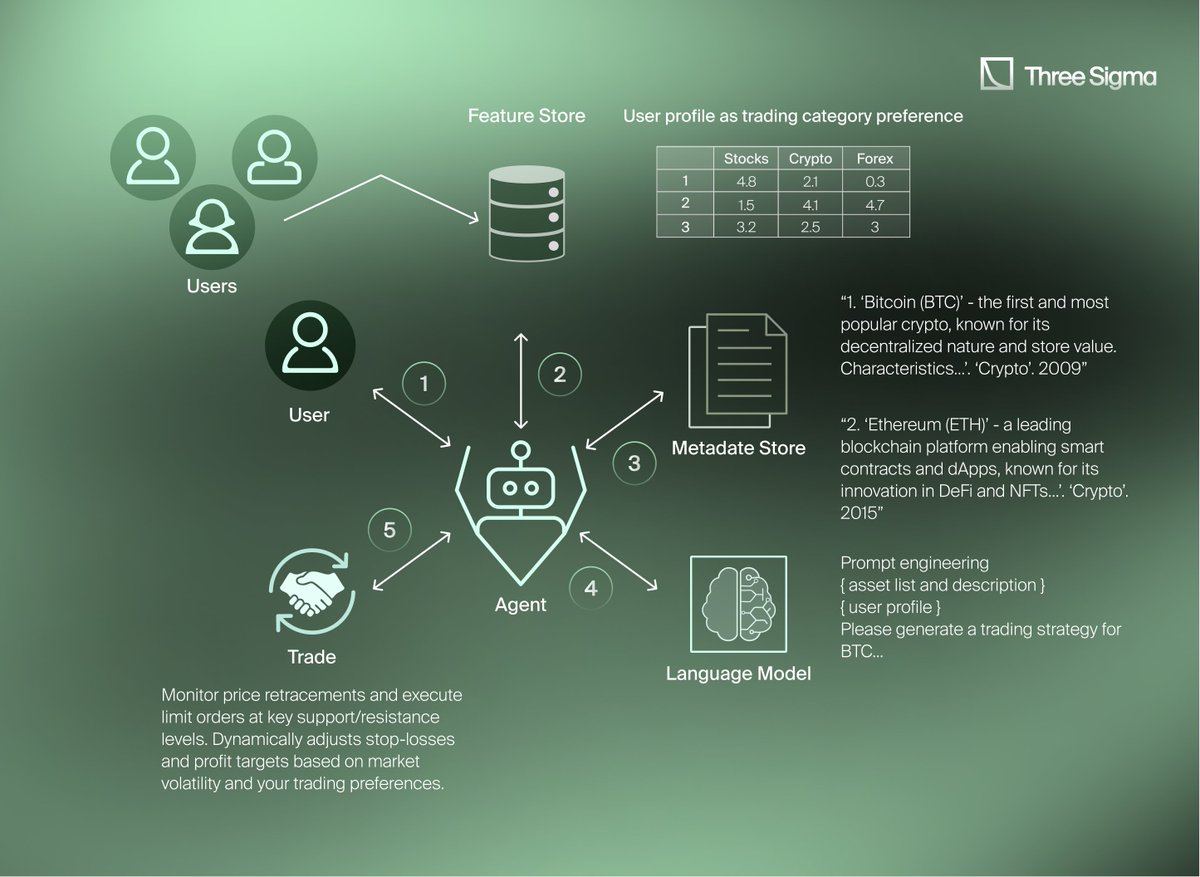
At their core, on-chain referral programs harness smart contracts to automate every aspect of the process:
- Referral Link Generation: Each user can generate a unique link tied to their blockchain address.
- Referral Tracking: Smart contracts monitor when new users join via these links and perform qualifying actions (such as staking or providing liquidity).
- Reward Distribution: Once criteria are met, rewards are distributed automatically, often in real time, without any manual intervention or risk of fraud.
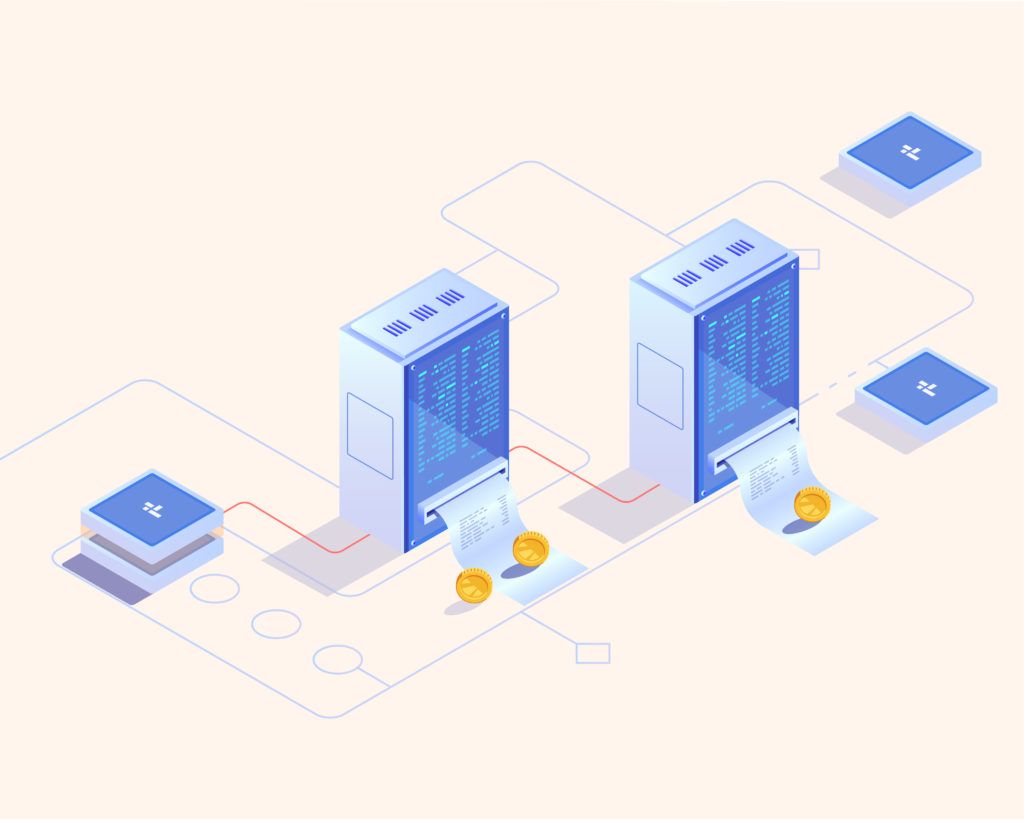
This level of automation ensures that all transactions are verifiable on the blockchain, eliminating disputes over eligibility or payout timing. Leading platforms such as Merkl have made this approach viral by offering both referrers and referees a 5% reward boost based on the smaller deposit amount between the two (source). Not only does this foster fairness but it also encourages larger deposits and active participation from both parties.
The Data-Driven Impact: User Growth and Community Health
The numbers speak for themselves. According to recent industry analysis, DeFi platforms with robust crypto referral rewards see up to 40% higher user acquisition rates compared to those relying solely on paid advertising or influencer campaigns. This is because users trust recommendations from peers more than traditional marketing, and when incentives are paid out transparently via smart contracts, confidence in the platform soars.
Top Benefits of On-Chain Referral Programs in DeFi Staking
- Automated and Transparent Reward Distribution: Smart contracts ensure referral rewards are distributed instantly and transparently, minimizing manual errors and eliminating disputes over payouts.
- Enhanced User Retention Through Ongoing Incentives: Programs such as Life DeFi’s ‘Use to Earn’ reward both referrals and continued engagement, encouraging users to stay active and stake more over time.
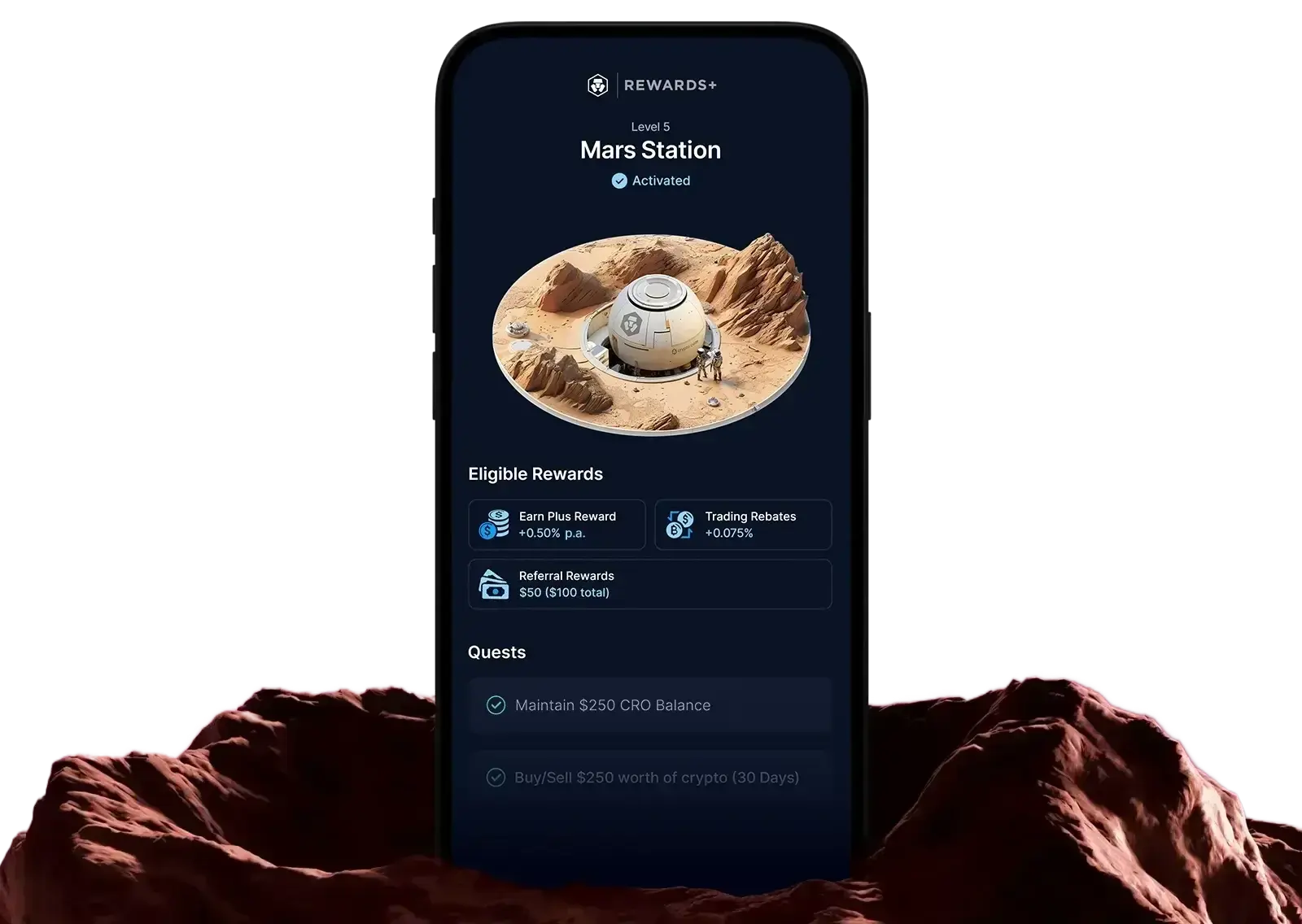
- Cost-Effective Marketing and Community Building: Leveraging user-driven referrals reduces reliance on expensive marketing campaigns, while fostering a loyal, engaged community around the platform.
- Fraud Reduction and Security: On-chain tracking and Sybil protection mechanisms, as highlighted by Fuul, help prevent abuse such as self-referrals, ensuring only legitimate users benefit from the program.
- Regulatory Transparency and Compliance: Immutable records on the blockchain support easier auditing and compliance with evolving regulatory standards, reducing legal risks for DeFi platforms.


This surge in growth is not just about new sign-ups. By integrating time-bound staking rewards (where bonuses unlock only if referred users remain active), projects like ZaynFi align incentives for long-term engagement rather than quick churn. ZaynFi’s model offers a $20 stablecoin bonus plus a share of protocol fees to both parties, tying user success directly to platform health (source). Life DeFi takes it further by letting users stake earned tokens for even higher multipliers, rewarding deeper ecosystem participation (source).
Tackling Abuse and Ensuring Fairness: The Security Layer
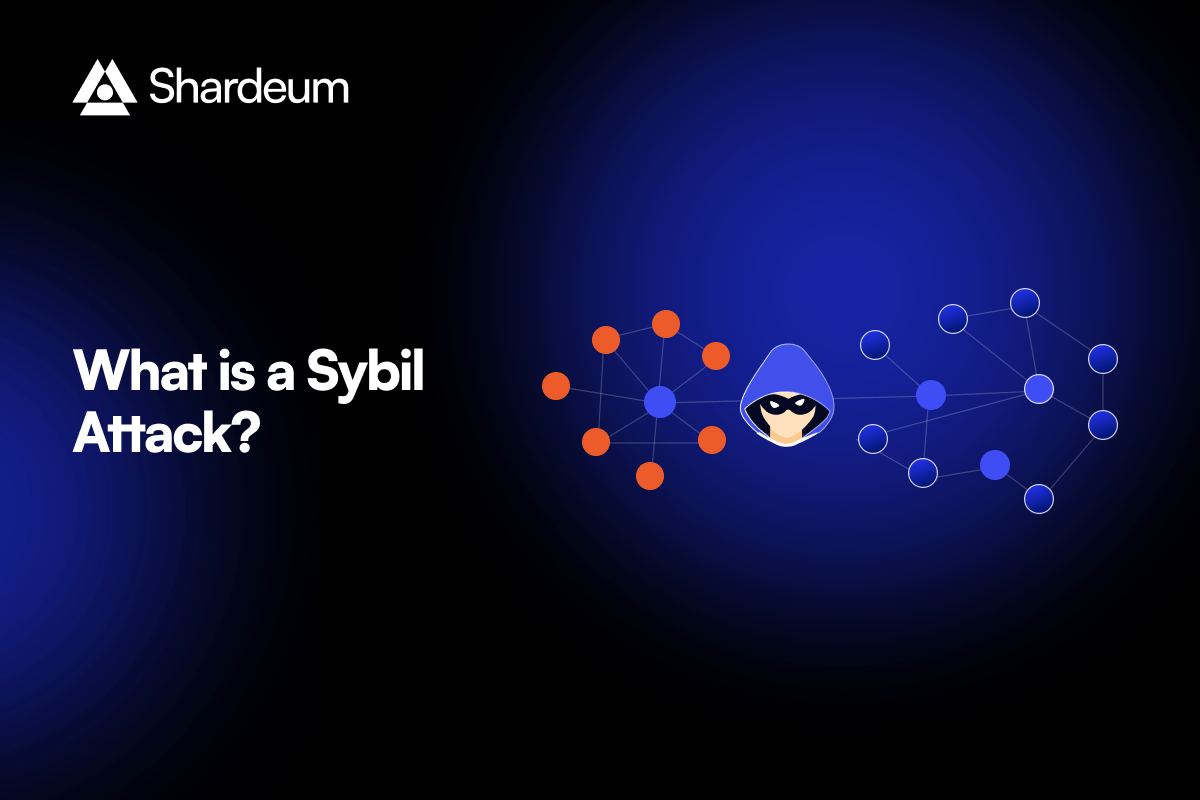
No system is without risk. As capital flows into DeFi loyalty staking at unprecedented scale, so do attempts at gaming these reward mechanisms through self-referrals or Sybil attacks (where one entity creates multiple addresses). Modern platforms counter this with tools such as whitelisting eligible wallets, monitoring suspicious patterns, and integrating Sybil protection modules (source). The result is a fairer playing field where genuine community growth is rewarded, and bad actors find fewer loopholes to exploit.
The Future of Blockchain User Acquisition Is Transparent and Real-Time
The shift toward multi-network referral tracking means that users can now earn rewards across diverse ecosystems, from Ethereum mainnet to emerging layer-2s, without sacrificing transparency or speed. As we look ahead to the next wave of DeFi adoption, expect real-time on-chain rewards and seamless cross-platform integrations to set new standards for crypto loyalty programs.
Projects that invest in robust on-chain referral programs are not only amplifying user growth but also setting a new bar for what sustainable blockchain user acquisition looks like. By leveraging smart contracts, platforms can offer real-time on-chain rewards that eliminate manual bottlenecks and foster trust through transparent, auditable transactions. This is a game-changer for both established DeFi protocols and emerging projects seeking to bootstrap their communities without the inefficiencies of legacy marketing models.
What’s especially compelling is how these systems scale. As more networks are integrated and cross-chain bridges mature, multi-network referral tracking becomes a reality. This means users can earn crypto referral rewards not just within one ecosystem but across multiple blockchains, multiplying their earning potential while increasing protocol stickiness. Forward-thinking platforms are already piloting these features to attract power users who value interoperability and composable incentives.
Best Practices: Designing Referral Programs That Actually Work
The most effective DeFi loyalty staking initiatives share several traits:
Best Practices for Secure, Effective On-Chain Referral Programs
- Automate Tracking and Rewards with Smart Contracts: Use audited smart contracts to handle referral tracking and reward distribution, ensuring transparency and minimizing manual intervention. Platforms like Merkl demonstrate the effectiveness of automated, on-chain referral logic.

- Implement Sybil Attack Protection: Integrate robust anti-fraud mechanisms such as whitelisting, KYC, or on-chain reputation checks to prevent self-referrals and multi-account abuse. Solutions like Fuul offer built-in Sybil protection for DeFi affiliate programs.
- Align Rewards with Long-Term Engagement: Structure rewards to unlock over time or based on continued activity (e.g., time-bound staking), as seen in ZaynFi's model, to encourage lasting user participation and reduce churn.
- Ensure Transparency and Auditability: Make all referral transactions and reward distributions publicly verifiable on-chain. This builds user trust and allows for independent audits, a standard followed by major DeFi platforms.

- Comply with Regulatory Standards: Design programs with jurisdictional compliance in mind, considering AML/KYC requirements and regional laws to avoid legal pitfalls. Leading platforms regularly update their policies to reflect evolving regulations.
- Offer Dual Incentives for Referrers and Referees: Provide rewards to both parties to maximize organic growth, as exemplified by Life DeFi and ZaynFi, which increase engagement on both sides of the referral.

- Integrate with Existing Loyalty Systems: Enhance referral programs by connecting them to staking, NFT, or loyalty rewards, creating layered incentives that boost user retention and platform stickiness.
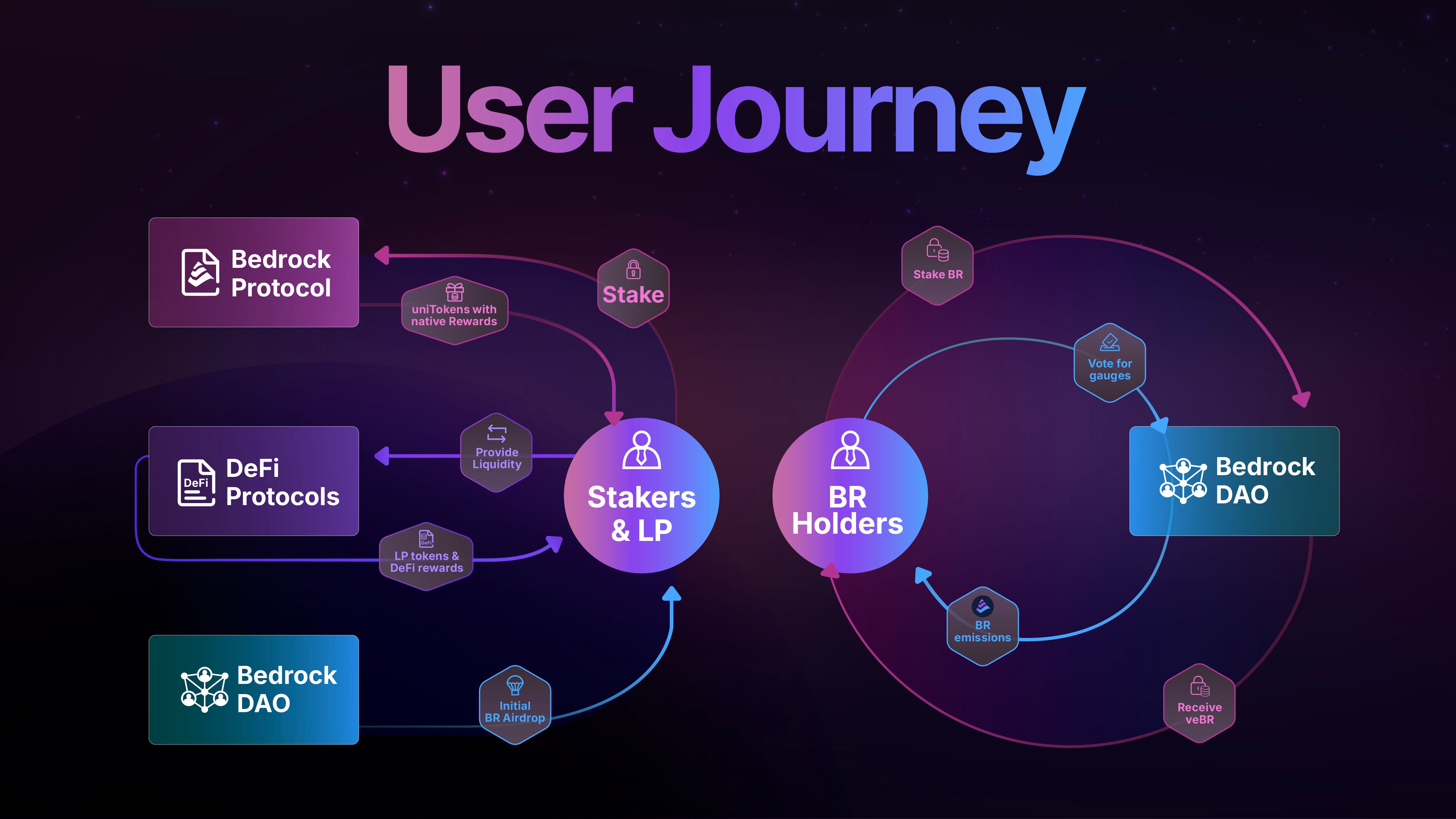
Time-locked rewards, tiered bonus structures, and transparent eligibility criteria are standard among top performers. These elements ensure that only genuine activity gets rewarded and that long-term participation is prioritized over short-term speculation. For example, integrating NFTs or exclusive access as part of the reward suite can further enhance user engagement and differentiate your platform from competitors (source).
The data-driven approach doesn’t stop at distribution, analytics dashboards now allow projects to monitor referral efficacy in real time, optimizing campaigns based on what actually drives retention rather than just acquisition. This feedback loop helps refine incentive structures, detect abuse faster, and build a resilient community foundation.
Why Transparency and Security Are Non-Negotiable in 2025
With regulatory scrutiny mounting and capital inflows reaching record highs across DeFi staking platforms (source), transparency isn’t just a feature, it’s a requirement. Smart contract audits, Sybil resistance tools, and clear documentation are now table stakes for any project serious about scaling via referrals. The most successful teams treat security as integral to the user experience rather than an afterthought.
The bottom line: On-chain referral programs have proven themselves as the engine behind organic growth in DeFi loyalty staking. By marrying automation with accountability, and always keeping user incentives aligned with protocol health, these systems are not just driving numbers; they’re building lasting ecosystems where every participant has skin in the game.




No comments yet. Be the first to share your thoughts!