
Defining on-chain loyalty 2026
Traditional loyalty programs operate as closed loops where points accumulate in silos, often losing value through inflation or expiration. On-chain loyalty 2026 breaks this model by tokenizing rewards on a public ledger. This shift transforms static points into liquid, verifiable assets anchored by real-world assets (RWA). Instead of earning generic miles that are difficult to redeem, customers hold tokens that represent a direct claim on physical value or services.
The transition from points to tokens introduces transparency and interoperability. Because these rewards exist on-chain, they can be traded, held, or used across different platforms without relying on a single brand’s proprietary system. This liquidity creates a new form of customer retention where the value of the reward is visible and market-driven, rather than hidden behind complex tier structures.
This approach aligns with the broader trend of tokenizing real-world assets. By backing loyalty tokens with tangible value, brands reduce the risk of devaluation and increase trust. Customers are no longer just earning discounts; they are accumulating assets that can appreciate or be utilized in decentralized finance (DeFi) ecosystems, effectively merging retail engagement with financial utility.
How RWA Tokenization Backs Loyalty Points
Real-world asset tokenization turns physical value—hotel stays, retail inventory, or airline miles—into digital tokens that sit on a blockchain. This process creates a direct, verifiable link between a customer’s loyalty points and tangible assets. Instead of relying on abstract credit within a closed ecosystem, brands can issue tokens backed by the actual goods or services they represent. This structure ensures value stability and allows points to move between different platforms, solving the fragmentation that has long plagued traditional loyalty programs.
The mechanics begin with an oracle or smart contract that verifies the underlying asset. For example, when a guest books a hotel room, the system mints a token representing that stay. This token can then be held by the customer, traded, or redeemed. Because the token is linked to a real-world event or product, its value is less speculative than pure utility tokens. Retailers use similar models for high-value goods, where purchasing an item mints a corresponding loyalty token that appreciates or can be exchanged for future discounts.
Interoperability is the primary driver for this shift. Traditional loyalty points are often trapped within a single brand’s walled garden. Tokenized loyalty points, however, exist on open ledgers. This allows customers to pool points from different retailers or trade them on secondary markets. For brands, this means expanding the utility of their rewards without building new physical infrastructure. It also provides transparency; every transaction is recorded on-chain, reducing fraud and increasing trust.
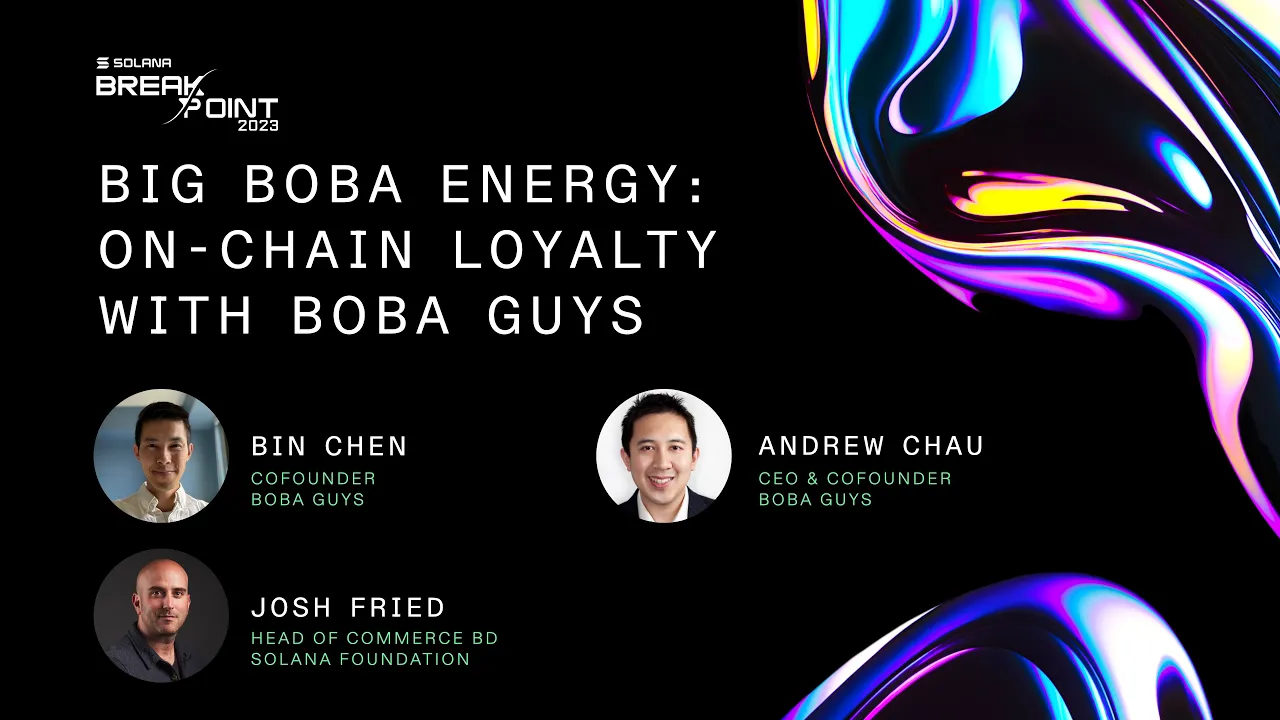
The visual representation of this ecosystem often highlights the bridge between digital code and physical experience. As seen in early adopter cases like Boba Guys’ on-chain loyalty initiative, the technology aims to make rewards feel more immediate and valuable to the consumer.
To understand the market momentum behind this shift, we can look at the broader trend of tokenized assets. The correlation between RWA token volume and loyalty program adoption provides a clear signal of where the industry is heading.
While this chart reflects general RWA tokenization trends rather than a specific loyalty index, it illustrates the growing institutional interest in backing digital assets with real-world value. As more brands experiment with tokenized rewards, the infrastructure for interoperable loyalty points will likely mature, making these systems a standard part of the customer retention strategy in 2026 and beyond.
Traditional hotel loyalty programs vs. on-chain RWA tokens
The traditional hotel loyalty model relies on a closed-loop system where points act as a deferred discount rather than a liquid asset. Programs like Marriott Bonvoy, Hilton Honors, and World of Hyatt offer free nights, upgrades, and lounge access, but these benefits are tightly bound to the issuing brand’s ecosystem [src-serp-1]. Once points are earned, they are essentially locked into the hotel’s balance sheet, creating a liability that the company must eventually redeem or manage through devaluation.
In contrast, on-chain loyalty models utilize Real-World Asset (RWA) tokenization to create portable, programmable value. Instead of accumulating non-transferable points, customers hold digital tokens backed by tangible hotel inventory or revenue streams. This shift transforms loyalty from a marketing expense into a tradable financial instrument, allowing users to transfer, sell, or stake their rewards on open markets.
The efficiency gain is most visible in liquidity and transferability. Traditional points often suffer from expiration dates and complex redemption rules that erode their real-world value. On-chain tokens, however, exist on a blockchain ledger, providing transparent ownership and the ability to move value across platforms without intermediaries. This structural difference fundamentally changes how customer retention is measured and maintained.
| Feature | Traditional Hotel Loyalty | On-Chain RWA Tokens |
|---|---|---|
| Liquidity | Low (Brand-specific only) | High (Tradeable on secondary markets) |
| Transferability | None (Non-transferable) | Full (Peer-to-peer transfers allowed) |
| Expiration | Common (Varies by program) | Rare (Perpetual unless programmed) |
| Transparency | Opaque (Black-box algorithms) | Public (On-chain ledger verification) |
| Redemption | Fixed inventory availability | Flexible (Cash, tokens, or stays) |
Implementing blockchain retention
Use this section to make the On-Chain Loyalty decision easier to compare in real life, not just on paper. Start with the reader's actual constraint, then separate must-have requirements from details that are merely nice to have. A practical choice should survive normal use, maintenance, timing, and budget. If a recommendation only works in an ideal situation, call that out plainly and give the reader a fallback path.
-
Verify the basicsConfirm the core specs, condition, and fit before comparing extras.
-
Price the downsideLook for the repair, maintenance, or replacement cost that would change the decision.
-
Compare alternativesCheck at least two comparable options before treating one listing as the benchmark.
Helpful gear
Use these product recommendations as a starting point, then choose the size, material, and price point that fit how you actually use the gear.



As an Amazon Associate, we may earn from qualifying purchases.
No comments yet. Be the first to share your thoughts!