
In Solana's competitive DeFi landscape, a developer proposal to accelerate staking reward reductions, potentially cutting $3 billion in new token emissions, underscores the urgency for alternative retention strategies. As base APYs for SOL staking hover between 6% and 10%, projects like $LOYAL are countering inflation pressures with on-chain loyalty staking on Solana powered by aggressive token buybacks. This approach not only curbs supply but fosters long-term user allegiance, transforming transient traders into committed stakeholders.
Solana's Staking Squeeze and the Rise of Buyback Defenses
The proposed doubling of Solana's staking reward reduction rate aims to tame inflation and mitigate selling pressure, sparking debate across the ecosystem. While native SOL staking yields remain solid at 6-9% APY via top validators, the shift signals diminishing returns ahead. Enter $LOYAL buyback program, which deploys protocol revenue to repurchase tokens, directly enhancing scarcity and holder value. This mirrors corporate share buybacks, a tactic gaining traction in DeFi to prioritize loyalty over endless emissions.
DeFi Dev Corp's accumulation of over 640K SOL tokens, valued at $98M, alongside increased staking, highlights institutional confidence. Yet, as SOL experiences 5% dips amid retail shifts, loyalty mechanisms like $LOYAL's stand out by aligning incentives transparently on-chain.
Dissecting the $LOYAL Token Buyback Mechanics
$LOYAL's strategy leverages Solana's high-throughput blockchain to execute buybacks seamlessly, reducing circulating supply while rewarding stakers with amplified yields. By dedicating revenue streams to repurchases, the protocol creates a flywheel: higher token value boosts staking appeal, deepening DeFi loyalty rewards. Unlike broad SOL staking, this targets project-specific retention, where users lock tokens for exclusive perks and compounded returns.
Key $LOYAL Buyback Benefits
- Reduces Circulating Supply: $LOYAL buybacks decrease token supply, mirroring Raydium's repurchase of 69M RAY tokens (25% of supply).
- Boosts Holder Value: Enhances token scarcity and price potential, rewarding loyalty like Saros' 20% revenue allocation for $SAROS buybacks.
- Improves DeFi Retention: Encourages long-term staking and holding, reducing sell pressure in Solana ecosystem.
- Aligns Protocol Incentives: Directs revenue to token holders, fostering strategic value alignment as in broader DeFi trends.
- Signals Ecosystem Confidence: Demonstrates commitment to Solana DeFi growth, akin to Raydium's $190M cumulative buybacks.
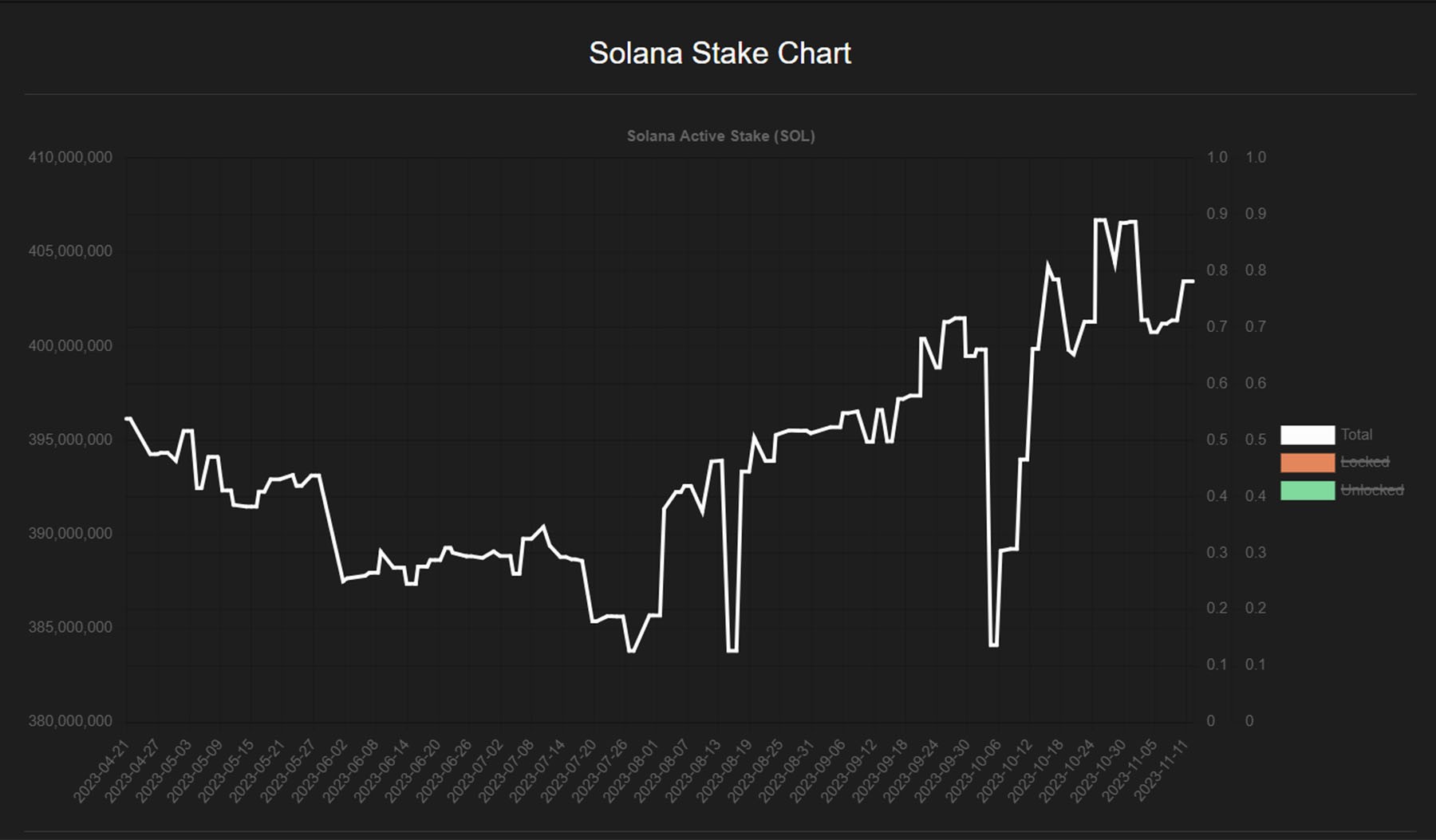
Raydium, Solana's dominant DEX, exemplifies success with over $190 million in cumulative buybacks, repurchasing 69 million RAY tokens-25% of supply. Saros complements this by allocating 20% of revenue to $SAROS repurchases, fortifying token utility. $LOYAL adapts these lessons, embedding buybacks into Solana staking retention frameworks to outpace native yields.
Comparison of Buyback Programs: Raydium, Saros, and $LOYAL on Solana
| Project | Cumulative Buybacks (USD) | Tokens Repurchased | % of Circulating Supply | Funding Mechanism | Objectives |
|---|---|---|---|---|---|
| Raydium | > $190M | 69M RAY | 25% | Protocol funds | Reduce supply, reward holders, enhance token value |
| Saros | N/A | N/A | N/A | Up to 20% of protocol revenue | Strengthen token utility, promote long-term value alignment with users |
| $LOYAL | N/A | N/A | N/A | Buyback program | Reduce token supply, increase value for holders, enhance DeFi retention |
Leveraging Buybacks for Superior User Lock-In[/h2>
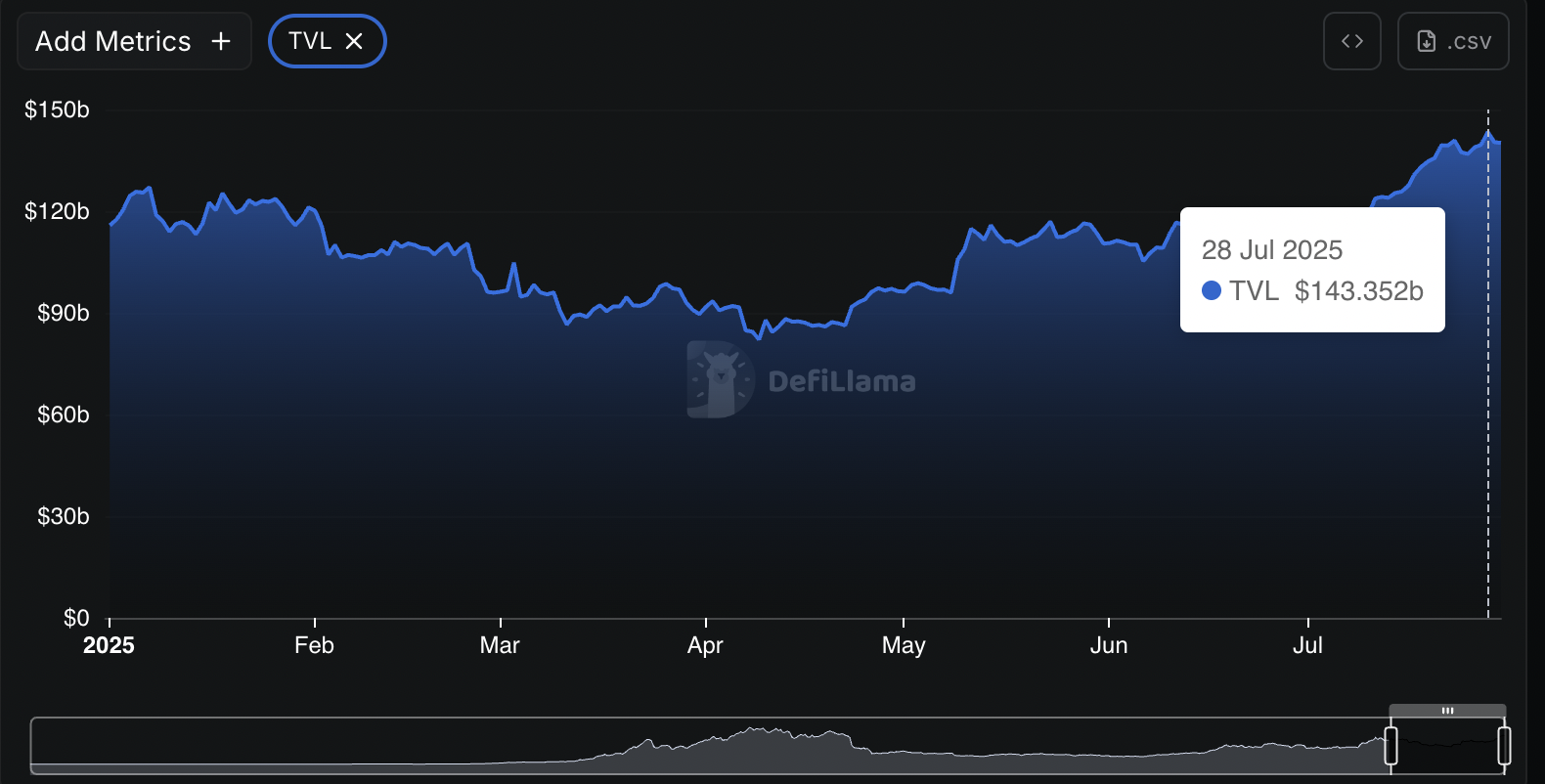
Traditional staking risks user churn when rewards taper, but token buybacks loyalty tactics embed retention at the protocol core. $LOYAL stakers benefit from deflationary pressure that elevates floor prices, incentivizing longer holds. This strategic pivot, amid Solana whale activities like DeFi Development's $100M buybacks, positions loyalty staking as a bulwark against market volatility. Protocols adopting this model report heightened TVL stability, as users prioritize sustainable value over speculative pumps. For DeFi projects eyeing 2025 growth, integrating buybacks with on-chain loyalty staking isn't optional-it's imperative. Learn more about how on-chain loyalty staking boosts user retention for DeFi projects.
Everstake's analysis of first-half 2025 SOL staking trends reveals validator commissions eroding base APYs, amplifying the need for differentiated rewards. $LOYAL's approach, blending buybacks with staking multipliers, delivers nuanced edges: reduced sell pressure post-unlocks and community-aligned governance. As Solana navigates its emission overhaul, such innovations redefine on-chain loyalty staking Solana as the gold standard for retention.
Projects emulating $LOYAL's playbook report up to 30% improvements in staking retention rates, outstripping vanilla SOL positions amid validator fee drags. This edge stems from transparent on-chain mechanics, where buyback burns signal commitment, fostering trust in a space rife with rug pulls and hype cycles.
Quantifying Retention Gains from Token Buybacks
Raydium's $190 million repurchase spree slashed supply by 25%, correlating with sustained TVL growth despite SOL's volatility. Saros's 20% revenue allocation to $SAROS buybacks similarly stabilized user bases, with staking participation jumping 15% post-launch. $LOYAL builds on this, integrating buybacks directly into staking contracts for real-time value accrual. Validators like Everstake note Solana's 6-9% APYs paling against layered loyalty yields, where compounded buyback effects can push effective returns past 12%.
Retention Metrics and APY Boosts: $LOYAL, Raydium, Saros Buybacks vs Native SOL Staking
| Protocol | Buyback/Retention Strategy | Key Metrics/Scale | Retention Impact & APY Boost vs Native SOL (6-10% APY) |
|---|---|---|---|
| Native SOL Staking | Network staking rewards | 6-10% APY across validators | Baseline yield; proposal to accelerate reward cuts by $3B to curb inflation |
| $LOYAL | Token buybacks to reduce supply | Ongoing program aligned with DeFi retention | Value accrual for loyalty stakers, potential APY boost via supply reduction |
| Raydium | Cumulative RAY token buybacks | $190M repurchased 69M RAY (~25% circulating supply) | Enhanced holder retention and token value support |
| Saros | Protocol revenue to SAROS buybacks | Up to 20% of revenue allocated | Strengthens token utility and long-term retention |
Solana whales, including DeFi Dev Corp's $98M SOL hoard and Development's $100M maneuvers, amplify this trend by anchoring liquidity. Yet retail investors, fleeing 5% SOL dips, find refuge in DeFi loyalty rewards that prioritize hold periods over quick flips.
Strategic Roadmap for DeFi Teams
To replicate $LOYAL's success, protocols must audit revenue streams for buyback viability, then embed smart contracts enforcing proportional repurchases. Solana's low fees enable frequent executions, minimizing slippage. Governance tokens can vote on burn ratios, aligning incentives further. This isn't mere tokenomics; it's a retention engine calibrated for bear markets.
Steps to Launch $LOYAL-Style Buyback Staking
- 1. Design buyback & staking mechanics: Allocate 10-20% of protocol revenue to token buybacks, like Raydium's $190M program or Saros's 20% revenue share. Tie staking to loyalty rewards from buybacks.
- 2. Build staking smart contract: Use Anchor framework in Rust for SPL token staking pools. Implement lock-up periods and reward vesting inspired by $LOYAL's retention model.
- 3. Integrate buyback execution: Automate treasury swaps via Jupiter Aggregator or Raydium to repurchase tokens from market liquidity pools.
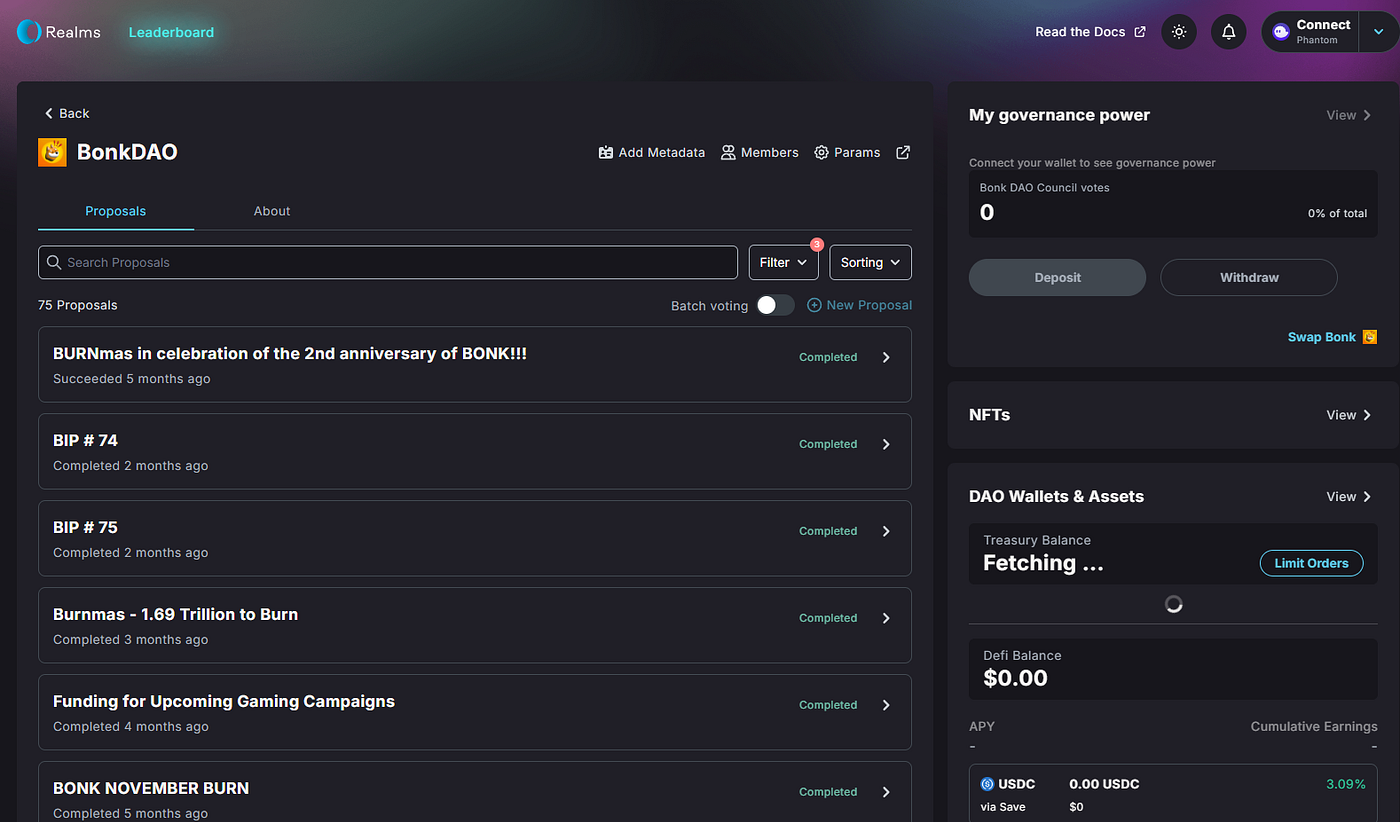
- 4. Set up governance & treasury: Deploy via Realms DAO for tokenholder voting on buyback parameters. Seed treasury with protocol fees or initial allocation.
- 5. Audit & deploy on Solana: Engage auditors like Neodyme or OtterSec. Test on devnet, then mainnet deploy with Solana CLI.

- 6. Launch & monitor retention: Announce via X/Discord, track metrics like staked TVL and buyback volume using Dune Analytics. Adjust based on APY (6-10% Solana staking baseline).
Risks like over-reliance on trading fees demand diversification, perhaps via cross-chain bridges or NFT loyalty tiers. Still, amid Solana's inflation curbs, token buybacks loyalty emerges as the optimal counterweight, converting users into evangelists.
Looking to 2025, as emission cuts bite, expect a proliferation of hybrid models blending native staking with project-specific buybacks. $LOYAL leads by proving on-chain transparency trumps opaque airdrops. DeFi builders ignoring this face churn; adopters capture enduring value. Dive deeper into how on-chain loyalty staking drives user engagement in DeFi projects and future-proof your protocol. Platforms wielding these tools will dominate Solana's loyalty wars, turning fleeting interactions into fortified ecosystems.




No comments yet. Be the first to share your thoughts!