On-chain identity 2026 limits to account for
On-chain identity in 2026 is no longer just about having a wallet address; it is about proving who you are without surrendering your data to centralized gatekeepers. The shift toward Decentralized Identifiers (DIDs) and Soulbound Tokens (SBTs) has moved from experimental pilots to practical infrastructure. These tools allow users to carry verified credentials—like KYC status or loyalty points—across different applications without re-entering sensitive information every time.
However, this transition faces a significant constraint: the blockchain trilemma. As noted by Ethereum co-founder Vitalik Buterin, networks must balance security, decentralization, and scalability simultaneously. In 2026, achieving robust identity verification without sacrificing transaction speed or inflating gas fees remains a technical hurdle. Solutions are emerging, but they often require trade-offs between privacy and regulatory compliance.
For developers and users, the challenge is integrating these systems seamlessly. On-chain KYC processes now leverage smart contracts and oracles to verify identity off-chain while storing only the proof on-chain. This approach reduces data exposure but adds complexity to the user experience. As the ecosystem matures, the focus is shifting toward standards that allow these identities to be reusable and interoperable across the Web3 landscape.
| Feature | 2024 Status | 2026 Outlook |
|---|---|---|
| Identity Storage | Centralized databases | Decentralized ledgers |
| Verification Method | Manual review | Automated smart contracts |
| Data Privacy | Low | High via zero-knowledge proofs |
On-chain identity 2026 choices that change the plan
Building a digital identity on the blockchain is rarely a choice between a single "best" network. It is a balancing act between security, decentralization, and scalability—the blockchain trilemma. In 2026, the platforms simplifying on-chain identity and compliance are making different bets on how to resolve this tension.
When evaluating these systems, you must look beyond the marketing claims and examine the underlying infrastructure. The tradeoffs you accept today will dictate your privacy, portability, and regulatory compliance for years to come. Here is how the leading approaches compare.
| Feature | EOA-Based | Soulbound Tokens | ZK-KYC Verifiable Credentials |
|---|---|---|---|
| Privacy | Low (public wallet history) | Medium (on-chain but non-transferable) | High (zero-knowledge proofs) |
| Portability | High | Low (tied to specific protocols) | Medium (standardized VC format) |
| Regulatory Compliance | Difficult | Moderate | High (selective disclosure) |
| Cost | Low | Medium (minting gas) | High (proof generation) |
The table above highlights the core friction points. EOA-based identities are cheap and portable but offer little privacy. Soulbound tokens provide some structure but can lock users into specific ecosystems. ZK-KYC solutions offer the strongest privacy and compliance features but come with higher complexity and cost.
These technical tradeoffs also have market implications. As institutional adoption grows, the cost of non-compliant identity solutions may rise. The price of Ethereum, which powers most of these identity contracts, reflects the broader demand for scalable, secure infrastructure. Understanding these dynamics helps you choose the right identity layer for your specific use case.
Choosing the right on-chain identity path
Building on-chain identity is no longer a binary choice between total anonymity and full surveillance. The landscape in 2026 has fractured into distinct models, each solving a different part of the blockchain trilemma. Your decision should depend on whether you prioritize regulatory compliance, user privacy, or community loyalty. Below are the three primary frameworks you will encounter when integrating these systems.

This model relies on W3C-compliant Verifiable Credentials (VCs) issued by trusted authorities. Instead of storing personal data on-chain, users hold a cryptographic proof of their KYC status. This approach is standard for regulated DeFi and institutional custody, as it allows smart contracts to verify eligibility without exposing underlying identity data. It is the most robust solution for legal compliance but requires integration with centralized issuers.

Soulbound Tokens (SBTs) are non-transferable NFTs that represent reputation, credentials, or membership. Unlike standard tokens, they cannot be sold or traded, making them ideal for building long-term loyalty programs and governance rights. Projects use SBTs to reward consistent engagement or verify unique human participation. This method fosters strong community bonds but lacks the flexibility to transfer value or reputation between platforms.
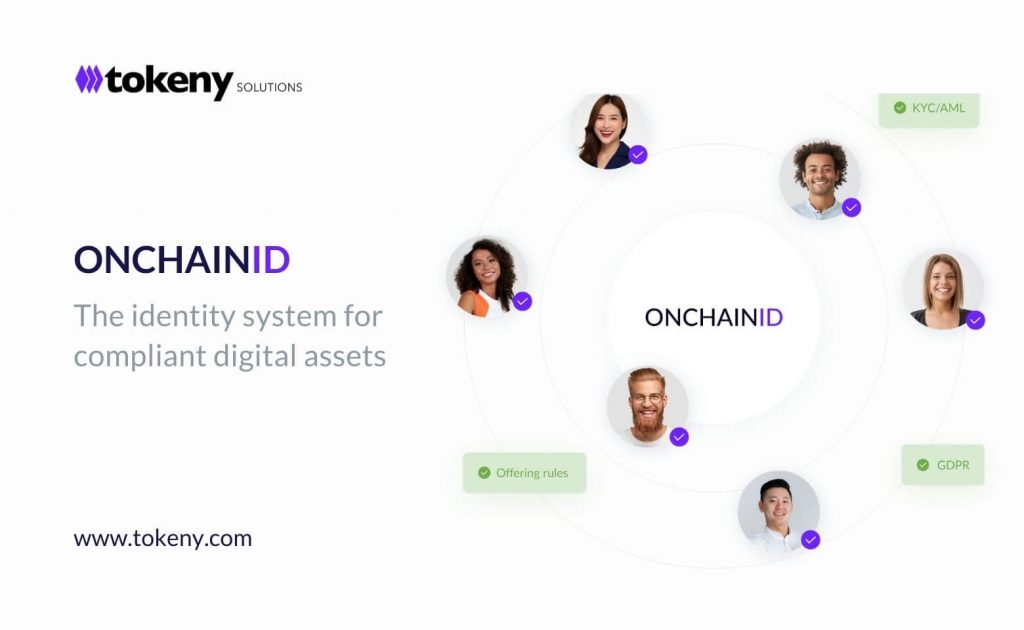
Decentralized Identifiers (DIDs) give users full control over their digital identity without relying on a central registry. Users can selectively disclose information to dApps, proving attributes like age or residency without revealing their name or address. This privacy-first approach is gaining traction in consumer-facing Web3 applications. It offers the highest degree of user sovereignty but requires more complex user education to manage private keys and proofs.
When selecting a framework, consider the trade-off between friction and trust. Compliance-heavy platforms will naturally gravitate toward Verifiable Credentials, while community-driven projects may prefer SBTs. Privacy-focused applications will likely adopt DIDs. The most successful projects in 2026 are those that allow users to hold multiple identity proofs, switching between them based on the context of the interaction.
Spotting weak on-chain identity options
On-chain identity promises a future where your reputation travels with you, but the current market is littered with platforms that overpromise and underdeliver. Many projects treat Decentralized Identifiers (DIDs) and Soulbound Tokens (SBTs) as mere marketing buzzwords rather than functional infrastructure. The result is a fragmented landscape where "loyalty" often means locking users into walled gardens that offer little interoperability or real utility.
When evaluating these solutions, look past the whitepaper promises. A common mistake is prioritizing vanity metrics like total minted tokens over actual active usage. If a platform cannot demonstrate how its identity layer integrates with existing DeFi protocols or governance structures, it is likely solving a problem that doesn't exist.
Another weak option is the lack of privacy-preserving verification. True on-chain identity should allow users to prove credentials without exposing sensitive personal data. Platforms that require full KYC uploads to a central server are simply recreating Web2 problems on the blockchain. Look for zero-knowledge proof implementations that verify compliance without revealing the underlying data.
Finally, beware of platforms that ignore the blockchain trilemma. If an identity solution sacrifices decentralization for speed, it becomes a single point of failure. The best options balance security, scalability, and decentralization, ensuring that your digital identity remains yours, regardless of which chain or application you are using.
On-chain identity 2026: what to check next
Before committing to on-chain identity protocols, it helps to separate the underlying infrastructure from the speculative market noise. The following questions address the most common technical and financial objections readers raise when evaluating Web3 loyalty programs in 2026.
These answers clarify that on-chain identity is not just a theoretical concept but a practical infrastructure layer. Understanding the trilemma’s resolution helps you evaluate which networks can support high-volume loyalty transactions, while price speculation remains a separate financial consideration.
No comments yet. Be the first to share your thoughts!