
The on-chain loyalty limits to account for
Traditional loyalty programs operate as closed gardens. Points sit in proprietary databases, locked behind specific airlines or hotel chains. You cannot sell them, lend them, or use them outside their designated ecosystem. This fragmentation creates friction for users who juggle dozens of disconnected wallets, each holding value that is effectively trapped.
On-chain loyalty removes these walls. By issuing rewards as Soulbound Tokens (SBTs) or non-transferable NFTs on a public blockchain, brands grant users verifiable ownership without enabling speculative trading that could devalue the program. These tokens live in the user’s wallet, not a corporate server. They become portable credentials that prove status across different platforms.
The tradeoff is technical complexity. Brands must manage smart contract deployments and gas fees, while users need a self-custody wallet. However, the benefit is transparency. Every point earned and burned is recorded on-chain, eliminating the ambiguity of hidden expiration dates or sudden policy changes. This shift turns loyalty from a marketing tactic into a verifiable digital asset.
On-chain loyalty choices that change the plan
Moving from traditional points to digital assets like Soulbound Tokens (SBTs) and decentralized identifiers (DIDs) shifts the power dynamic, but it introduces new complexities. Brands and users must weigh the benefits of true ownership against the friction of blockchain interaction.
Liquidity vs. Exclusivity
Traditional points are locked in a single ecosystem. On-chain rewards can be traded, but this liquidity can dilute brand exclusivity. SBTs solve this by being non-transferable, preserving the "earned" nature of the reward while still living on the blockchain. This creates a hybrid model where value is verifiable but not speculative.
Privacy vs. Verification
DIDs allow users to prove eligibility without revealing personal data. However, on-chain activity is public. Users must decide if the convenience of seamless redemption is worth the transparency of their transaction history. Privacy-focused tokens can mitigate this, but they add technical overhead for the user.
Integration Costs
Building on-chain loyalty requires smart contract development and wallet integration. The upfront cost is higher than a standard CRM update. However, the long-term benefit is interoperability. Points can be used across different brands without complex partnership agreements, reducing friction in the user journey.
The Verdict
On-chain loyalty is not a silver bullet. It works best for brands where community and verifiable achievement are central to the value proposition. For simple transactional rewards, traditional systems may still be more efficient.
| Feature | Traditional Points | On-Chain (SBT/DID) | Key Tradeoff |
|---|---|---|---|
| Ownership | None | User-held | Complexity vs. Control |
| Transferability | None | Optional (NFT) or None (SBT) | Liquidity vs. Exclusivity |
| Verification | Centralized DB | Public Blockchain | Privacy vs. Transparency |
| Interoperability | Low | High | Integration Cost vs. Reach |
Choose the next step
On-Chain Identity works best as a clear sequence: define the constraint, compare the realistic options, test the tradeoff, and choose the path with the fewest hidden costs. That order keeps the advice usable instead of decorative. After each step, pause long enough to check whether the recommendation still fits the reader's actual situation. If it depends on perfect timing, unusual access, or a best-case budget, include a simpler fallback.
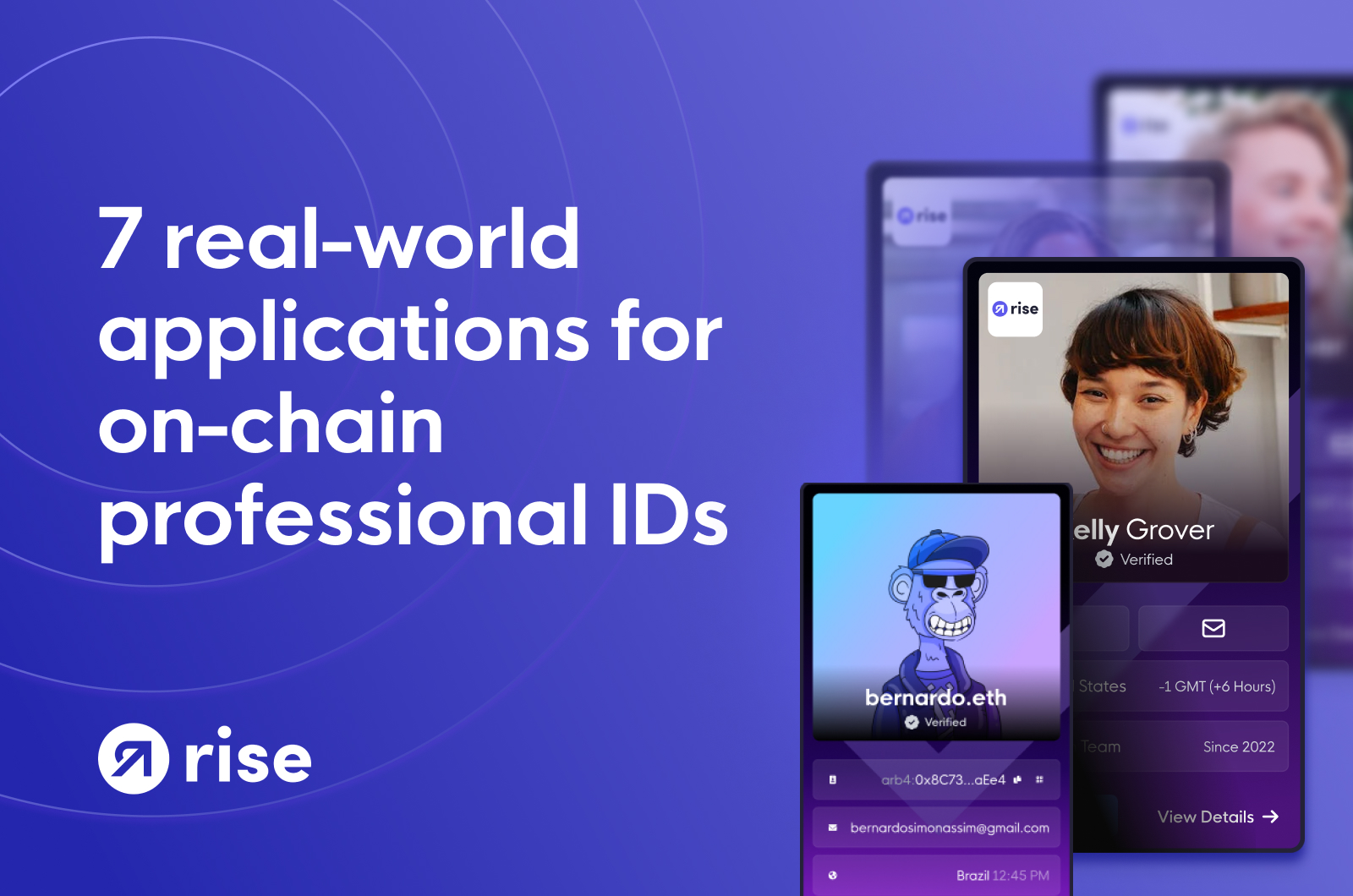
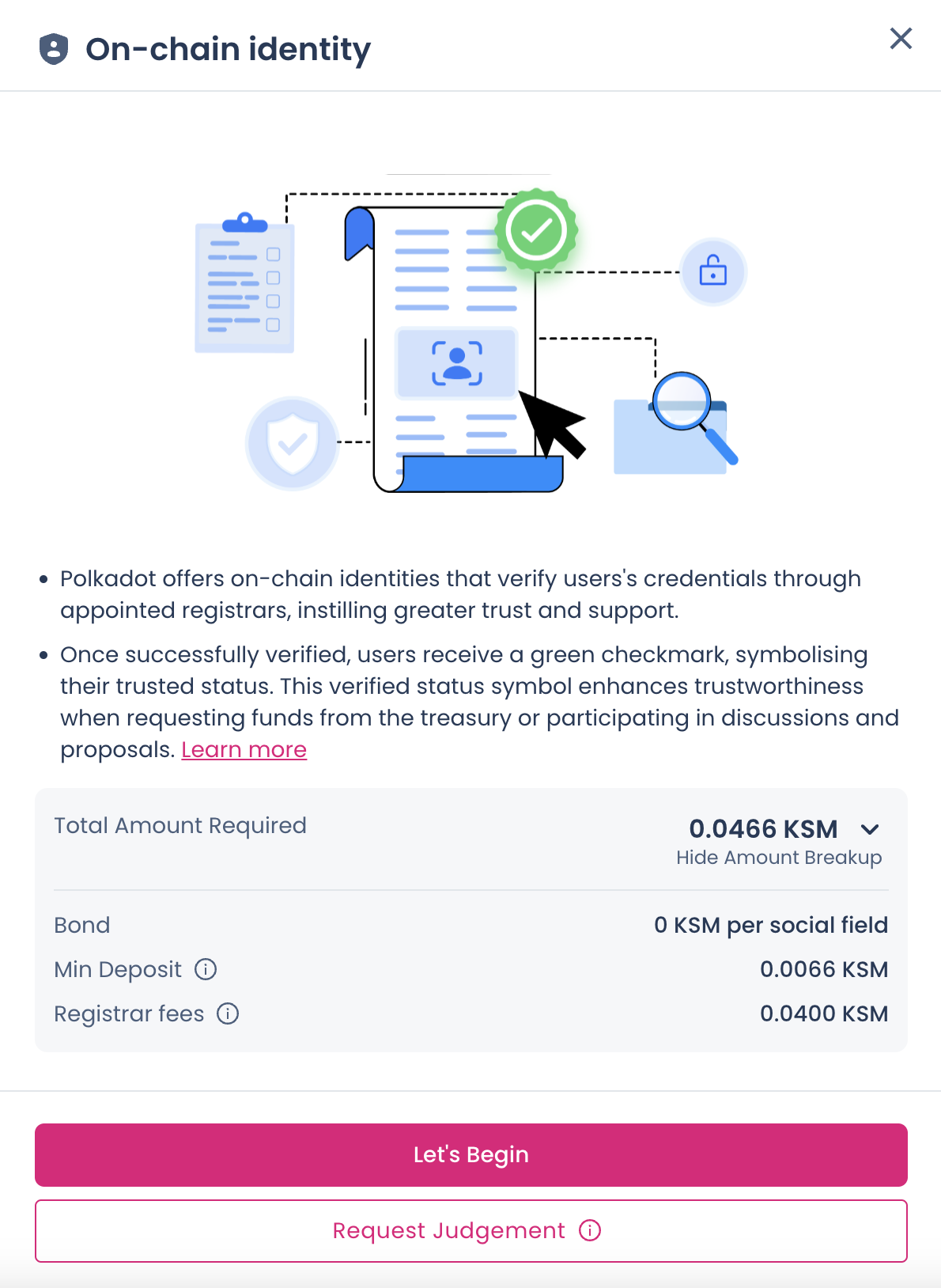
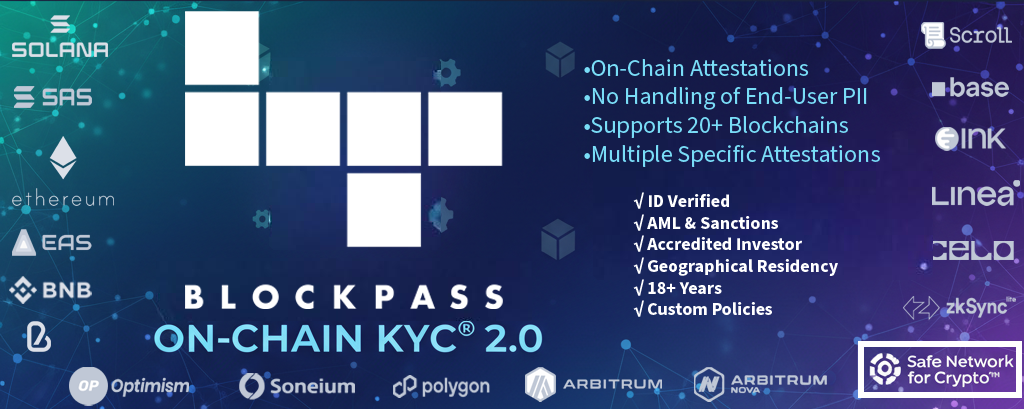
Watchouts for On-Chain Identity Loyalty
Web3 loyalty programs often promise ownership but deliver fragile systems. Founders frequently misuse Soulbound Tokens (SBTs) as simple point ledgers, ignoring that on-chain identity requires more than just a token balance. The biggest mistake is treating digital loyalty like a database update rather than a cryptographic proof of reputation.
Many projects launch with misleading claims about interoperability. A point earned in one ecosystem rarely transfers to another unless a standardized DID (Decentralized Identifier) protocol is strictly enforced. Without this, you are building a walled garden on a public chain, which defeats the purpose of on-chain identity. Check the smart contract audits; if the token logic is separate from the identity verification layer, the program is likely centralized in disguise.
Another common trap is the "gamification" overlay. Brands often add NFTs to existing points systems without changing the backend. This creates a confusing user experience where customers don't truly own their assets. Real on-chain loyalty means the user can hold, trade, or burn their reputation score without permission from a central server. If redemption requires a proprietary app login, it isn't on-chain identity—it's just a database with a blockchain receipt.
Finally, avoid programs that lack clear redemption paths. A loyalty token is useless if it cannot be exchanged for tangible value or recognized by partner brands. Look for projects with established DID registries and clear utility. If the whitepaper focuses heavily on "community building" but lacks a technical roadmap for cross-chain compatibility, it is likely a marketing gimmick rather than a robust loyalty infrastructure.
On-chain loyalty: what to check next
Helpful gear
Use these product recommendations as a starting point, then choose the size, material, and price point that fit how you actually use the gear.

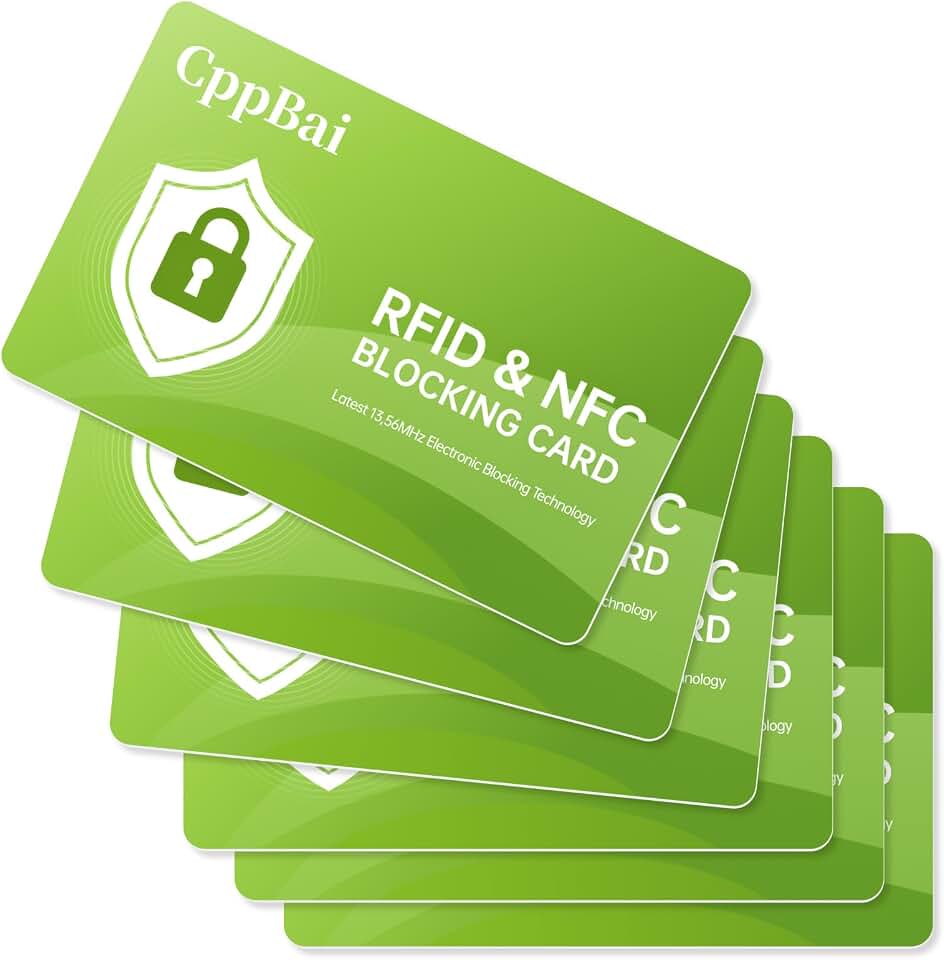
As an Amazon Associate, we may earn from qualifying purchases.
No comments yet. Be the first to share your thoughts!