
Why points-based loyalty is failing
Traditional points-based loyalty programs are struggling to retain customers in 2026. A new Paytronix report confirms that points-only systems are largely obsolete for restaurant chains and similar sectors. The core issue is simple: points lack liquidity. They function like trapped capital, offering little real-world utility until a redemption threshold is met. This friction kills engagement, turning potential brand advocates into disinterested observers.
The problem extends beyond mere inconvenience. When points feel like a distant, uncertain reward, the psychological contract between brand and consumer breaks down. Modern consumers view loyalty as a relationship strategy built on recognition and relevance, not just transactional accumulation. Programs that focus solely on points often deliver short-term gains but undermine long-term value by failing to provide immediate, tangible benefits.
This stagnation creates a vacuum for on-chain solutions. By tokenizing rewards, brands can offer liquid assets that hold real value outside their own ecosystem. Unlike static points, these tokens can be traded, shared, or used across partner networks, restoring the liquidity that traditional programs lack. The shift from static points to dynamic, on-chain assets is not just a technological upgrade; it is a necessary evolution to meet the demands of a market that values flexibility and real utility.
The rise of on-chain loyalty 2026
The shift toward on-chain loyalty programs represents a structural change in how brands manage customer retention. In 2026, loyalty is no longer a static stamp card or a siloed points balance. It is a dynamic relationship strategy built on recognition, relevance, and trust, where rewards are treated as digital assets rather than internal accounting entries. Programs that focus solely on transactions often undermine long-term value, whereas on-chain models prioritize ownership and interoperability.
Blockchain technology enables true ownership of rewards. Instead of points trapped within a single brand’s database, customers hold tokens in their wallets. This shift creates interoperability, allowing users to transfer, trade, or redeem rewards across different platforms. The result is a more liquid ecosystem where loyalty has tangible market value, reducing the friction between earning and spending.
Instant settlement further distinguishes on-chain loyalty from traditional systems. Smart contracts automate the distribution and redemption of rewards, eliminating the delays and administrative overhead associated with legacy loyalty programs. This efficiency lowers operational costs for brands while providing immediate gratification for users. The "earn-and-burn" script is being rewritten, with on-chain perks offering greater transparency and security.
The market is already reflecting this transition. As brands experiment with tokenized loyalty, the financial metrics of customer retention are becoming more visible. The following chart illustrates the volatility and growth potential associated with loyalty-focused crypto assets, highlighting the high-stakes nature of this emerging sector.
This move toward digital ownership is not just a technological upgrade; it is a fundamental rethinking of the customer-brand relationship. By leveraging blockchain, companies can create loyalty programs that are more engaging, transparent, and valuable to the consumer. As the market matures, we can expect to see more sophisticated use cases that blend AI-driven personalization with on-chain liquidity.
RWA Tokenization in Reward Structures
Real-World Assets (RWAs) are moving from speculative crypto narratives to the backbone of enterprise loyalty programs. By tokenizing tangible assets—such as treasury bills, real estate, or commodity reserves—brands can back their loyalty points with verifiable, liquid value. This shift addresses the two primary failures of traditional points systems: inflation and illiquidity.
In a traditional model, a loyalty point is a liability on the issuer’s balance sheet with no external hedge against currency devaluation. When tokenized against an RWA, the point’s value is anchored to an asset that appreciates or yields returns. This creates a defensible value proposition for consumers who view points as a store of wealth rather than a mere discount mechanism.
The integration requires bridging legacy finance infrastructure with on-chain settlement layers. Programs typically utilize stablecoins or wrapped asset tokens to represent fractional ownership of the underlying RWA. This allows points to be traded, transferred, or redeemed for yield-generating instruments, effectively turning passive rewards into active financial instruments.
The following comparison outlines the structural differences between legacy loyalty models and RWA-backed on-chain systems.
| Feature | Traditional Loyalty | RWA-Backed On-Chain |
|---|---|---|
| Value Anchor | Issuer Credit | Tangible Asset (e.g., T-Bills, Real Estate) |
| Liquidity | Low (Closed Ecosystem) | High (Secondary Market Trading) |
| Inflation Hedge | None | Direct (Asset Appreciation/Yield) |
| Transferability | Non-Transferable | On-Chain Transferable |
| Regulatory Status | Contractual Liability | Securities/Commodity Compliance Required |
AI-driven personalization at scale
Artificial intelligence transforms on-chain loyalty from a static ledger into a dynamic, responsive engine. By ingesting real-time transaction history, wallet behavior, and market sentiment, AI models can generate hyper-personalized reward offers that align with individual user incentives. This shifts the paradigm from broad, low-value points accumulation to targeted, high-impact incentives that drive immediate conversion.
The integration of AI with on-chain data allows for predictive reward structuring. Instead of offering flat discounts, systems can analyze a user’s spending patterns to propose rewards that maximize perceived value. For instance, a user who frequently trades volatile assets might receive insurance-backed rewards or stablecoin incentives, while a long-term holder might see governance token airdrops. This precision reduces churn and increases the lifetime value of each wallet interaction.
Trust remains the critical constraint. As noted in recent industry analysis, loyalty in 2026 is built on recognition and relevance, not just transactional volume. AI-driven personalization must operate within strict privacy-preserving frameworks, such as zero-knowledge proofs, to ensure that personalization does not compromise user anonymity. When executed correctly, this approach creates a feedback loop where relevant rewards reinforce trust, and trust drives further engagement.
Top tools for building on-chain loyalty
Building on-chain loyalty requires shifting from static point systems to dynamic, programmable assets. In 2026, the most effective platforms treat rewards as on-chain perks that can be earned, transferred, or burned, creating a more engaging relationship between brand and customer. The following tools represent the current standard for implementing this infrastructure.
Mintbase
Mintbase provides a no-code infrastructure for launching Web3 loyalty programs on the Polygon network. It allows brands to create custom tokens and NFTs that serve as membership passes or reward vouchers. The platform handles the technical complexity of smart contracts, enabling traditional e-commerce brands to integrate blockchain rewards without building a dedicated engineering team. This approach lowers the barrier to entry for brands looking to experiment with on-chain engagement.
Loyyal
Loyyal operates as a loyalty-as-a-service platform that bridges traditional reward systems with blockchain technology. It enables brands to issue crypto rewards that users can hold, spend, or exchange. The platform supports integration with major e-commerce and POS systems, ensuring that loyalty points can be earned through existing purchase behaviors. By tokenizing rewards, Loyyal allows customers to have true ownership of their benefits, increasing the perceived value of the program.
Tidel
Tidel focuses on gamified loyalty programs using blockchain technology to enhance customer retention. It offers a suite of tools for creating interactive campaigns, such as challenges and streaks, that reward users with digital assets. The platform is designed to be lightweight and easy to integrate into mobile apps or web platforms. Tidel’s approach emphasizes engagement through play, making on-chain loyalty more accessible to users who may be unfamiliar with cryptocurrency.

Amazon Product Recommendations
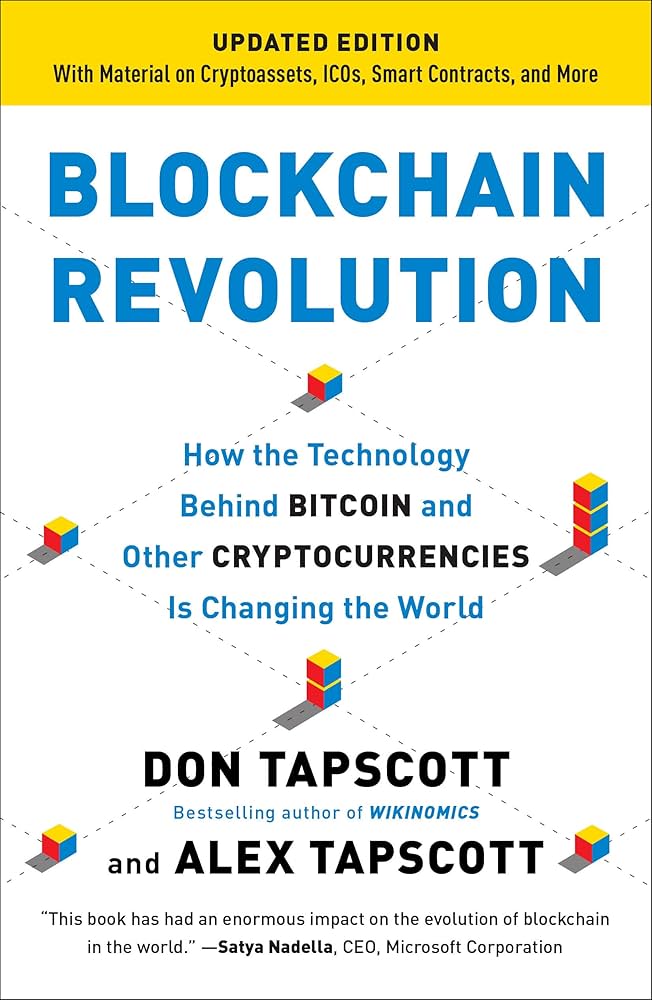
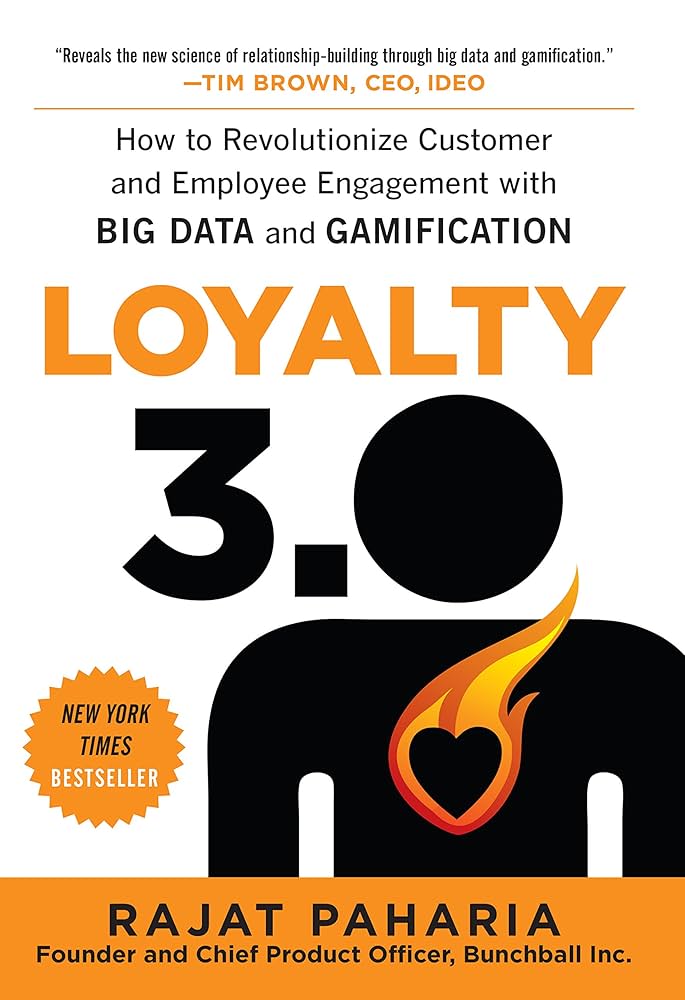
For brands looking to deepen their understanding of these technologies, the following resources provide foundational knowledge on blockchain integration and loyalty strategy.

As an Amazon Associate, we may earn from qualifying purchases.
Key Takeaways
- Programmable Rewards: On-chain loyalty allows for transferable and tradable rewards, increasing their utility.
- No-Code Solutions: Platforms like Mintbase enable non-technical brands to launch Web3 programs quickly.
- Integration: Successful tools bridge traditional e-commerce with blockchain, ensuring seamless user experiences.
Compliance and Regulatory Risks
Tokenized loyalty programs operate in a high-stakes environment where the line between a marketing tool and a security is thin. Unlike traditional points, which are generally treated as contractual obligations or prepayments, tokens can trigger securities laws if they exhibit investment characteristics. The Howey Test remains the primary framework used by regulators like the SEC to determine if a token constitutes an investment contract. If rewards are marketed with promises of appreciation or if their value is tied to the performance of a third-party entity, they may be classified as securities, subjecting the issuer to rigorous registration and disclosure requirements.
Consumer protection is another critical layer. Regulators are increasingly scrutinizing the transparency of smart contracts and the clarity of terms surrounding token redemption. Ambiguity in how tokens can be exchanged, transferred, or redeemed for goods creates legal exposure. Programs must ensure that their digital assets do not inadvertently function as unregistered money transmission services or payment instruments, which would require compliance with financial regulations such as the Bank Secrecy Act. The goal is to design loyalty mechanics that emphasize utility and brand engagement rather than speculative value.
To mitigate these risks, companies should prioritize legal counsel early in the design phase. This includes conducting thorough jurisdictional analysis, as regulations vary significantly across different regions. For instance, the European Union’s Markets in Crypto-Assets (MiCA) regulation imposes specific requirements on asset-referenced tokens, while the US relies on a more fragmented, enforcement-driven approach. Staying aligned with official guidance from bodies like the SEC or the Financial Conduct Authority (FCA) is essential for long-term viability.
Before launching a tokenized loyalty program, teams should verify the following compliance checks:
- Confirm tokens are structured as non-securities by avoiding investment-centric marketing.
- Ensure smart contract terms are transparent and legally binding.
- Verify compliance with local money transmission and consumer protection laws.
- Implement robust KYC/AML procedures if tokens have exchange features.
The cost of non-compliance can be severe, ranging from hefty fines to the forced shutdown of the program. By treating regulatory adherence as a core feature rather than an afterthought, brands can build trust and ensure their loyalty initiatives remain sustainable in the evolving digital landscape.
What is brand loyalty in 2026?
Brand loyalty in 2026 has shifted from a transactional points system to a relationship strategy built on recognition, relevance, and trust. Programs that focus solely on transactions may deliver short-term gains, but they often undermine long-term value.
New research by Digitas and Fetch finds that speed, simplicity, and trust generate deeper affinities than traditional reward structures. As the market moves toward on-chain verification and AI-driven personalization, the definition of loyalty is no longer about how much you spend, but how well a brand anticipates your needs.
No comments yet. Be the first to share your thoughts!